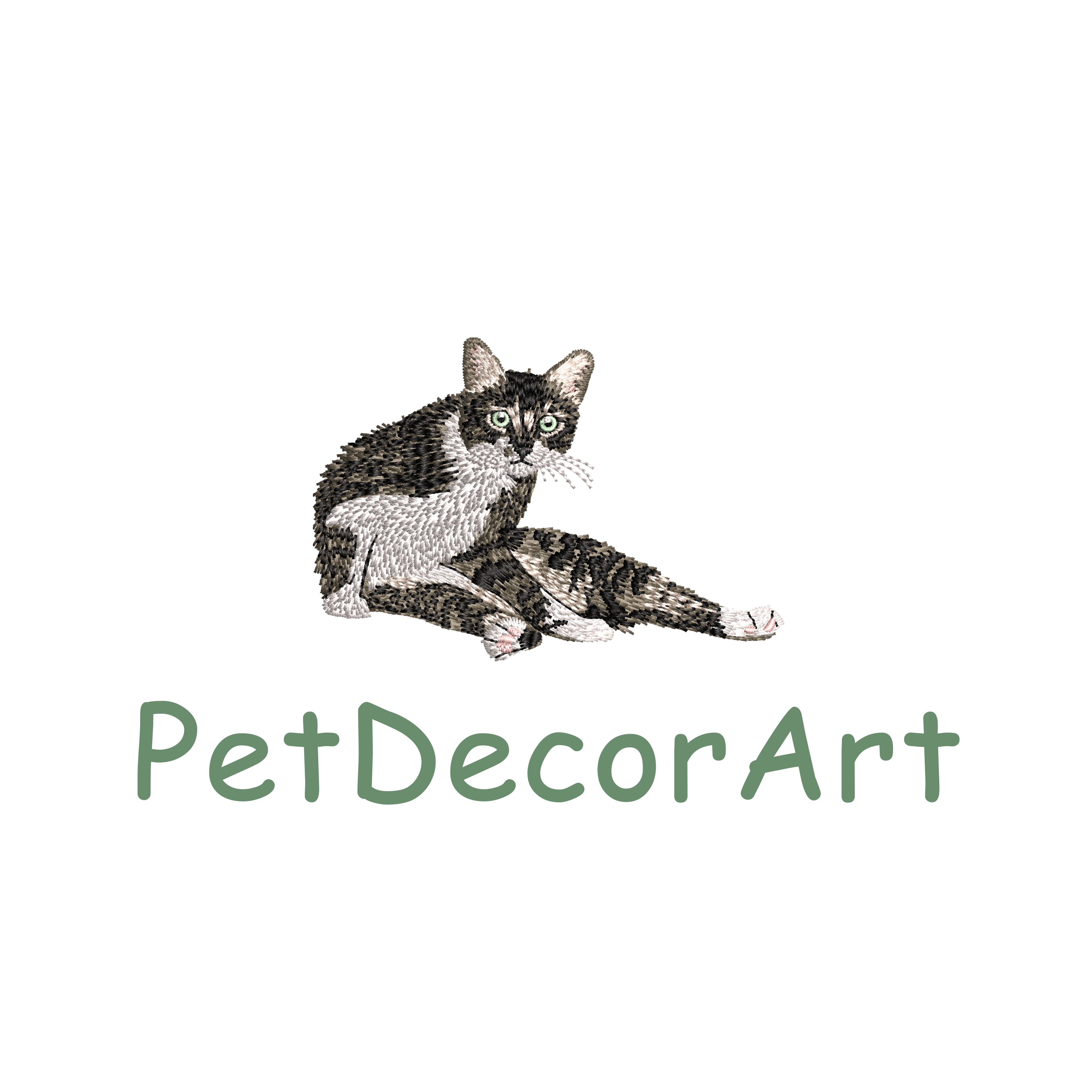

You’re not just choosing a customization method—you’re choosing how that portrait will age after real life happens: friction from seatbelts, the occasional tumble-dry mistake, and the slow wear of repeated washes.
The quick verdict (what looks better long-term)
If your #1 priority is a portrait that still looks “intentional” after months/years of wear:
Embroidery usually wins. Thread doesn’t “crack” the way some inks and films can, and it tends to keep a premium look even when the hoodie gets broken-in.
Best for: everyday hoodies, gifts that should feel upscale, memorial keepsakes, minimalist chest portraits.
If your #1 priority is photorealistic detail and large, full-color images:
Printing usually wins (at least when it’s new). Prints can capture gradients, tiny color transitions, and “camera-like” realism better than thread.
Best for: big front graphics, highly detailed photos, bright multi-color designs.
“Printed” can mean several methods (DTG, screen print, DTF/film). They don’t all age the same. Embroidery also varies by stitch density, thread quality, and how well the artwork is translated from photo to thread.
How embroidery and prints age over time
Long-term “looks better” usually comes down to what changes first: cracking/peeling, fading, edge wear, or the design looking less crisp.

| What changes over time | Embroidered pet portrait | Printed pet portrait (DTG / screen / film) |
|---|---|---|
| Surface wear (rubbing, backpacks, seatbelts) | Thread is physically part of the garment surface. You may see slight fuzzing on high-friction areas over time, but it typically still reads as “premium texture.” | Prints can wear where friction is constant. Depending on method, you may see dulling, micro-cracking, or edge lifting (especially with film-based prints). |
| Wash longevity | Embroidery is generally considered highly durable because it’s stitched into the fabric. | Prints can stay great for a long time, but they’re more sensitive to heat and abrasion. Care habits (cold wash, inside-out, low heat) matter more. |
| “Crispness” of lines | Lines remain dimensional; tiny details depend on stitch planning. Over time, it tends to soften rather than “break.” | Fine lines can blur or fade if the ink layer thins (DTG) or if the film/ink degrades. High-quality screen prints often hold up well, but still can fade with repeated wash cycles. |
| Worst-case failure mode | Snags or pulled threads (rare, but possible). Usually repairable if caught early. | Cracking, peeling, or adhesive failure (method-dependent). Often not truly repairable once it starts. |
| How it looks when “broken-in” | Often looks even better—like a favorite piece with character. | Can still look great, but if the print starts to degrade, it reads as “old graphic” faster than embroidery reads as “well-loved.” |
Why embroidery tends to “age nicer”
- It’s not a surface layer sitting on top of fabric—it’s thread integrated into the garment.
- Texture stays intentional even if the hoodie gets softer and more lived-in.
- Small chest placements avoid the high-flex zones that punish big prints.

Why print can still be the right choice
- You want a large portrait (full front) with lots of color transitions.
- You care more about “photo accuracy” than texture/premium feel.
- You’re okay babying the garment a bit (wash inside-out, low heat, gentle cycle).
Detail, realism, and “does it look like my pet?”
Here’s the part most people don’t hear until after they order: embroidery and print are “good” at different types of detail.

| Detail type | Embroidery | Printing |
|---|---|---|
| Distinct markings (spots, eyebrows, nose shape) | Excellent when the photo is clear and the artwork is translated well into stitch direction and density. | Excellent, especially for subtle color shifts. |
| Fur texture | Can look surprisingly lifelike because thread direction can mimic fur flow (it’s more “interpretive art” than a literal photo). | Can look “photo-real,” especially with high-resolution files, but it stays flat. |
| Tiny gradients (soft lighting, shadow transitions) | Limited. Thread can blend, but it won’t match a camera gradient perfectly. | Strong. Gradients and soft shading are a natural fit for print. |
| Long-term clarity | Usually stays crisp because it’s stitched, not a surface ink layer. | Depends heavily on print method and care routine. |

A practical way to choose:
If your pet’s “identity” is in a few bold features (one white sock, a heart-shaped nose, signature eyebrows), embroidery tends to capture that beautifully. If your pet’s look depends on subtle multi-color transitions (tortoiseshell cats, complex merle coats), printing can be the easier path to photo-like accuracy.
Photo checklist (helps both methods, but especially embroidery)
- Use natural light when possible (avoid harsh yellow indoor lighting).
- Make sure the eyes are sharp (blurred eyes = less likeness in the final portrait).
- Choose a photo with clear contrast between fur and background.
- For black pets: a photo that shows facial structure (not just a dark silhouette).
Feel and comfort: raised thread vs. smooth ink

Embroidery feel
- Textured and dimensional on the outside (it looks “crafted”).
- On the inside, there may be backing/stabilizer behind the stitches depending on construction.
- Small placements (like left-chest) keep it comfortable and low-bulk.
Print feel
- Usually smooth/flat, but the “hand feel” depends on method and ink coverage.
- Large prints can feel warmer/less breathable in that area (more noticeable on heavy graphics).
- Some methods create a slightly rubbery film that you can feel when you fold the fabric.

What “looks better” in the real world
A hoodie portrait is often judged from a few feet away. Dimensional stitching tends to read “premium” at distance. Printing tends to impress most up close when people can see the photo detail.
Care rules that actually matter (and what ruins each method)
Most long-term “damage” comes from two things: heat and friction. So the goal is simple: lower both.

| Care step | Best practice (works for both) | Why it matters long-term |
|---|---|---|
| Turn inside out | Yes—especially for anything with decals/prints or surface decoration. | Reduces rubbing against other garments (less abrasion on the design). |
| Water temp | Cold or cool water, gentle cycle when possible. | Heat accelerates fading and can stress some print adhesives/inks. |
| Detergent | Mild detergent; avoid bleach unless the care label allows it. | Harsh chemistry can weaken fibers and dull colors over time. |
| Drying | Air-dry when you can; otherwise tumble dry low. | High heat is where many prints degrade fastest; it also ages fabric quicker. |
| Ironing | If you must, avoid direct heat on printed areas; iron inside-out. | Direct heat can warp films/inks; embroidery tolerates it better but still follow the garment label. |

What ruins prints fastest
- High-heat drying
- Washing right-side out with rough fabrics (denim, zippers)
- Ironing directly on the graphic
What ruins embroidery fastest
- Snagging (pet nails, sharp jewelry, rough Velcro)
- High-friction wear on the same spot daily (backpack straps)
- Ignoring loose threads (trim carefully—don’t yank)
Tip: Always follow the hoodie’s sewn-in care label first. The guidance above is general best practice for decorated garments.
Choose in 60 seconds: which should you buy?
You want it to still look “giftable” after lots of wears.
You like a subtle, elevated look (small chest portrait).
You want large, full-front, photo-like color detail.
Your pet’s coat relies on very complex gradients.
| Your scenario | Better long-term pick | Why |
|---|---|---|
| Everyday hoodie (weekly wear, lots of washes) | Embroidery | Handles wear-and-tear gracefully and keeps a premium look. |
| Memorial hoodie (something you’ll keep for years) | Embroidery | Timeless, durable, and less “trend graphic,” more keepsake. |
| Bold statement front graphic | Large images and gradients are easier to reproduce faithfully. | |
| Gift for someone who doesn’t love loud designs | Embroidery | Subtle placement reads elevated, not novelty. |
| Budget-first (lowest cost per piece) | Depends | Printing is often cheaper, but embroidery can win on cost-per-wear if it stays nicer longer. |
A simple “cost-per-wear” way to think about it
If Hoodie A costs a bit more but still looks good after 40–60 wears, while Hoodie B looks tired after 15–25 wears, the “cheaper” hoodie can end up being the expensive one.

PetDecorArt hoodie options (spec snapshot)
At PetDecorArt, our pet portrait hoodies focus on embroidery—because for most customers shopping for a keepsake, the long-term look is the whole point.
| Product | What it is | Key specs (from the product page) | Best for |
|---|---|---|---|
| Custom Embroidered Pet Portrait Hoodie (Long Sleeve) | Embroidered pet portrait on a cotton hoodie with a streetwear-style unisex fit. |
|
Everyday wear, subtle chest portrait, gifts that should look elevated. |
| Custom Hooded Sweatshirt with Pet Portrait (320g Solid Color) | Solid-color hoodie with embroidered pet portrait on a heavier fleece blend. |
|
Cold weather layering, cozy feel, “favorite hoodie” vibe. |
Note: product pages can change over time (colors, availability, delivery estimates). For the most current details, check the product listing directly.
FAQ
Does embroidery fade?
Thread color can dull slightly over a long timeline (like any textile), but embroidery generally holds up very well because it’s stitched into the garment. The bigger risk is snagging—so treat it like you would a knit sweater: avoid sharp Velcro and trim loose threads carefully.
Do printed pet portraits always crack?
Not always. Some prints last a long time—especially when cared for properly. But prints are more sensitive to heat and abrasion, and some print types can crack or peel if they’re overheated or repeatedly rubbed.
What looks better long-term: small chest portrait or big front portrait?
For long-term appearance, small chest portraits tend to age better because they sit in lower-stress areas and are less likely to crease, flex, and rub. Big front prints can still look great, but they’re more exposed to the rough-and-tumble parts of daily wear.
Is embroidery comfortable on a hoodie?
Typically yes—especially with smaller placements. There can be backing behind the stitches, but it’s usually not bothersome on a hoodie. If you’re sensitive, avoid large embroidery zones and stick to chest-size portraits.
What’s the best wash routine for long-term looks?
Turn inside-out, wash cold on gentle, and avoid high-heat drying. Those three habits do most of the heavy lifting for keeping decorated garments looking new.
Can embroidery capture my pet’s exact photo?
Embroidery captures likeness through stitch artistry rather than perfect photo replication. If you want camera-level gradients and super subtle shading, printing is usually closer. If you want an elevated, handcrafted portrait that ages well, embroidery is often the better match.
Which is better for a memorial hoodie?
Most people choose embroidery for memorial pieces because it looks timeless, feels premium, and holds up well over years.
What pet photos work best for embroidery?
Clear, high-contrast photos with sharp eyes and visible facial features. Natural light helps a lot. If your pet is all black or all white, pick a photo where the face structure is visible (not overexposed or underexposed).
Sources & further reading
- Laundry fundamentals and care basics: American Cleaning Institute (Laundry Basics)
- Why washing inside out helps certain garments: Good Housekeeping (wash inside out guidance)
- Print care (cold wash, inside-out, low heat): Printful (Care Instructions)
- Print method perspective (screen printing vs embroidery overview): Kornit (Screen Printing vs Embroidery)
- DTF/film print care guide (inside-out, cold wash, low heat): PromoCentric (DTF care guide PDF)
If you want the pet portrait to still look “clean and premium” after lots of wear, embroidery is usually the safer bet. If you want maximum photo realism and large color-rich artwork, printing can look incredible—but you’ll want to be more careful with heat and friction.


