

Quick Answer: Yes, Rabbits Can Have Watermelon — But Only as a Tiny Treat
Rabbits can eat fresh watermelon in small amounts, as long as it is washed, seedless, and served plain. The safest approach is to treat watermelon like dessert, not as part of your rabbit’s regular meal. A few small cubes once in a while is enough for most healthy adult rabbits.
The important catch is sugar. Watermelon feels light because it is juicy, but it still adds fruit sugar to an animal that is built for hay, leafy greens, and steady fiber. Too much can cause soft stool, appetite changes, weight gain, or digestive upset.
- Best part to offer: a small piece of red flesh, or a thin strip of washed rind with very little pink attached.
- Remove first: black seeds, white seeds, hard outer skin if waxed or dirty, and any spoiled areas.
- Avoid: dried watermelon, sweetened watermelon treats, watermelon juice, frozen chunks, flavored rind, and fruit salad with additives.
- Skip it if: your rabbit is a baby, overweight, prone to soft stool, recovering from GI stasis, or has a diet plan from your rabbit-savvy vet.
Is Watermelon Safe for Rabbits?
Fresh watermelon is not toxic to rabbits when it is served in small, plain portions. That does not mean it should become a daily snack. A rabbit’s main diet should still be unlimited grass hay, fresh water, appropriate leafy greens, and measured pellets when needed. Fruit belongs in the small “treat” category.
For a practical rabbit parent, the question is not “Can my rabbit eat watermelon?” The better question is “Can my rabbit handle this treat today?” If your rabbit has normal droppings, is eating hay well, and has tolerated small fruit treats before, a tiny piece of watermelon can be reasonable. If your rabbit’s stool is soft, appetite is off, or your vet has warned you about sugar, skip it.
How this guide was checked
The feeding guidance in this article was cross-checked against rabbit-care sources that treat fruit as an occasional treat, including the House Rabbit Society rabbit diet guide, the House Rabbit Society diet page, Chewy’s veterinarian-reviewed article on whether rabbits can eat watermelon, and Rabbit Hole Hay’s guide to watermelon rind for rabbits.
How Much Watermelon Can a Rabbit Eat?
Start smaller than you think. Watermelon pieces look harmless, but rabbits are small animals with sensitive digestion. For most healthy adult rabbits, one or two small cubes is plenty. If your rabbit has never had watermelon before, offer a piece about the size of your thumbnail, then wait and watch droppings for the next day.
Many rabbit-care groups use a general fruit-treat rule of about 1 teaspoon per 2 pounds of body weight per day, but fruit should not become a daily habit. In real life, a safer routine for watermelon is occasional: once a week or less during watermelon season, and not mixed with several other sweet treats on the same day.
Scroll sideways on mobile to view the full table.
| Rabbit size | First-time serving | Occasional serving after tolerance is known | How often | Source-backed rule to keep in mind |
|---|---|---|---|---|
| Dwarf or very small rabbit under 3 lb | One tiny bite | About 1 small cube, not a handful | Occasionally, not daily | Fruit should stay limited because it is a treat. |
| Small to medium rabbit, 3–6 lb | One thumbnail-size piece | 1–2 small cubes | Once in a while; avoid stacking with other fruit | All fruit is treated as a high-sugar treat category. |
| Large rabbit, 7–10 lb | One small cube | 2–3 small cubes at most | Occasionally, especially in warm weather | Watermelon should be fed in small amounts and with seeds removed. |
| Overweight rabbit or rabbit with soft stool history | Skip, or ask a rabbit-savvy vet | Usually best avoided | Only if your vet says it fits the diet plan | Rabbit digestion is sensitive to different sugars and carbohydrates. |
The “one sweet thing” rule
On a watermelon day, do not also give banana, apple, berries, carrot, store-bought sweet treats, or dried fruit. Pick one sweet treat and keep the rest of the day boring: hay, water, and normal greens. Boring is exactly what a rabbit gut likes.
Watermelon Flesh, Rind, and Seeds: What Can Rabbits Actually Eat?
The red flesh is the part most people offer first, but it is also the sweetest. The pale rind contains less sugar than the pink flesh, but it must be washed extremely well and served in thin pieces. Seeds are not worth the risk and should be removed before feeding.
Scroll sideways on mobile to view the full table.
| Watermelon part | Can rabbits eat it? | Best way to serve | Main risk | Simple verdict |
|---|---|---|---|---|
| Red flesh | Yes, in tiny amounts | Fresh, seedless, plain, cut into small cubes | Too much sugar and water at once | Safe as a treat, not a meal |
| White or pale green inner rind | Yes, occasionally | Wash well; offer a thin strip with little pink attached | Dirt, wax, pesticide residue, or too much at once | Often a better choice than lots of red flesh |
| Dark outer skin | Only if very clean and unwaxed; many owners trim it off | Trim away if you are unsure how it was grown or handled | Surface contamination | When in doubt, remove it |
| Black seeds | No | Remove completely before feeding | Choking or digestive irritation | Do not feed |
| White immature seeds | Best avoided | Pick them out when possible | Small but still unnecessary | Remove for peace of mind |
| Watermelon juice | No | Do not offer as a drink | Sugar without chewing fiber | Fresh water is the only drink rabbits need |
| Dried watermelon | No | Avoid | Concentrated sugar | Too rich for rabbits |
| Frozen watermelon | Not recommended | Let fruit return to a safe, soft temperature if your vet approves | Very cold, hard pieces can be uncomfortable and messy | Fresh is better |
How to Serve Watermelon to a Rabbit Safely
Good serving habits matter more than the fruit itself. Most watermelon problems come from oversized portions, seeds left inside, or feeding fruit to a rabbit whose digestion is already unsettled.
- Start with a healthy adult rabbit. Your rabbit should be eating hay normally and producing normal round droppings.
- Wash the watermelon before cutting. Even if you only feed the inside, the knife can drag surface residue into the flesh.
- Remove seeds. Do not rely on your rabbit to eat around them.
- Cut a tiny portion. Think “taste,” not “snack bowl.”
- Serve it plain. No salt, sugar, yogurt dip, seasoning, fruit salad syrup, or human dessert topping.
- Watch your rabbit afterward. Check appetite, energy, and droppings over the next 12–24 hours.
- Do not keep feeding if stool changes. If droppings become soft or your rabbit seems uncomfortable, stop fruit and return to hay and water. Call a rabbit-savvy vet if appetite drops or symptoms persist.
Watermelon prep checklist
- Fresh watermelon, not dried or sweetened
- Washed before cutting
- Seeds removed
- Small cube or thin rind strip
- No other fruit treat that day
- Rabbit has normal appetite and normal droppings before feeding
When You Should Not Give Watermelon to a Rabbit
Some rabbits should skip watermelon completely, even though the fruit is not poisonous. A safe treat for one rabbit can be a bad idea for another.
Scroll sideways on mobile to view the full table.
| Situation | Why watermelon may be a problem | Better choice |
|---|---|---|
| Baby rabbit or newly adopted young rabbit | Young rabbits need a stable diet, and sudden fruit can upset digestion. | Follow your vet or rescue’s age-appropriate feeding plan. |
| Soft stool, diarrhea, or messy bottom | Extra fruit sugar can make loose stool worse. | Stop treats and ask a rabbit-savvy vet if it continues. |
| Reduced appetite or fewer droppings | These can be warning signs in rabbits and should not be covered up with treats. | Call a rabbit-savvy vet promptly. |
| Overweight rabbit | Fruit adds calories quickly and can replace hay interest. | Use leafy greens or hay-based enrichment instead. |
| Dental disease or poor hay intake | Sweet fruit may encourage treat-seeking while hay chewing stays too low. | Prioritize hay quality, vet dental checks, and safe chew enrichment. |
| Rabbit recovering from GI stasis | The gut needs consistency, hydration, and vet-directed care. | Follow the recovery diet from your veterinarian. |
Do not wait if your rabbit stops eating
A rabbit that is not eating, not pooping normally, sitting hunched, grinding teeth, or acting weak needs urgent attention from a rabbit-savvy veterinarian. Watermelon is a treat question; appetite loss is a health question.
What to Watch After Your Rabbit Eats Watermelon
The easiest way to know whether watermelon suits your rabbit is to watch what happens after a tiny first serving. Healthy rabbits usually keep eating hay, stay active, and continue producing normal round droppings. If you notice a change, that rabbit may simply not be a good watermelon candidate.
Scroll sideways on mobile to view the full table.
| What you see | What it may mean | What to do next |
|---|---|---|
| Normal appetite, normal droppings | Your rabbit likely tolerated the tiny portion. | Still keep watermelon occasional and small. |
| Softer droppings than usual | The treat may have been too much or too sugary. | Stop fruit, return to hay and normal greens, and monitor closely. |
| Messy bottom | Diet may be too rich, or your rabbit may have an underlying issue. | Skip watermelon and speak with a vet if it repeats. |
| Less hay interest after fruit | Your rabbit may be holding out for sweet food. | Reduce treats and make hay the main event again. |
| No appetite, fewer droppings, hunched posture | Possible urgent digestive problem. | Contact a rabbit-savvy veterinarian immediately. |
Better Summer Snack Ideas for Rabbits
Watermelon gets attention because it looks refreshing, but your rabbit does not need fruit to stay cool. Hydration starts with fresh water, a clean bowl or bottle, shade, airflow, and a calm indoor temperature. Food treats should support the main diet instead of replacing it.
A smarter warm-weather treat plate
- Main item: fresh grass hay available at all times.
- Fresh greens: a small amount of rabbit-safe leafy greens your rabbit already tolerates.
- Fruit accent: one tiny watermelon cube, if your rabbit is healthy and already tolerates fruit.
- Enrichment: hide hay in a cardboard tube or scatter greens so your rabbit has to forage.
- Water: refresh the water more often during hot weather.
Unique practical tip: use watermelon as a training taste, not a bowl snack
Instead of putting several cubes in a dish, use one tiny piece as a reward after nail handling practice, carrier training, or a successful grooming session. That keeps the portion controlled and turns the treat into a useful bonding moment.
PetDecorArt Picks for Rabbit Owners Who Love Tiny Details
A watermelon treat lasts a few seconds. A good portrait keeps the small things you love about your rabbit: the nose twitch, ear tilt, coat pattern, round cheeks, and the look they give you when they know snacks are nearby. These PetDecorArt options are the most natural fit for rabbit parents because they are photo-based, handmade, and suitable for small-pet details.
Product details below are taken from PetDecorArt product pages. Availability, price, and timelines can change, so check the product page before ordering.
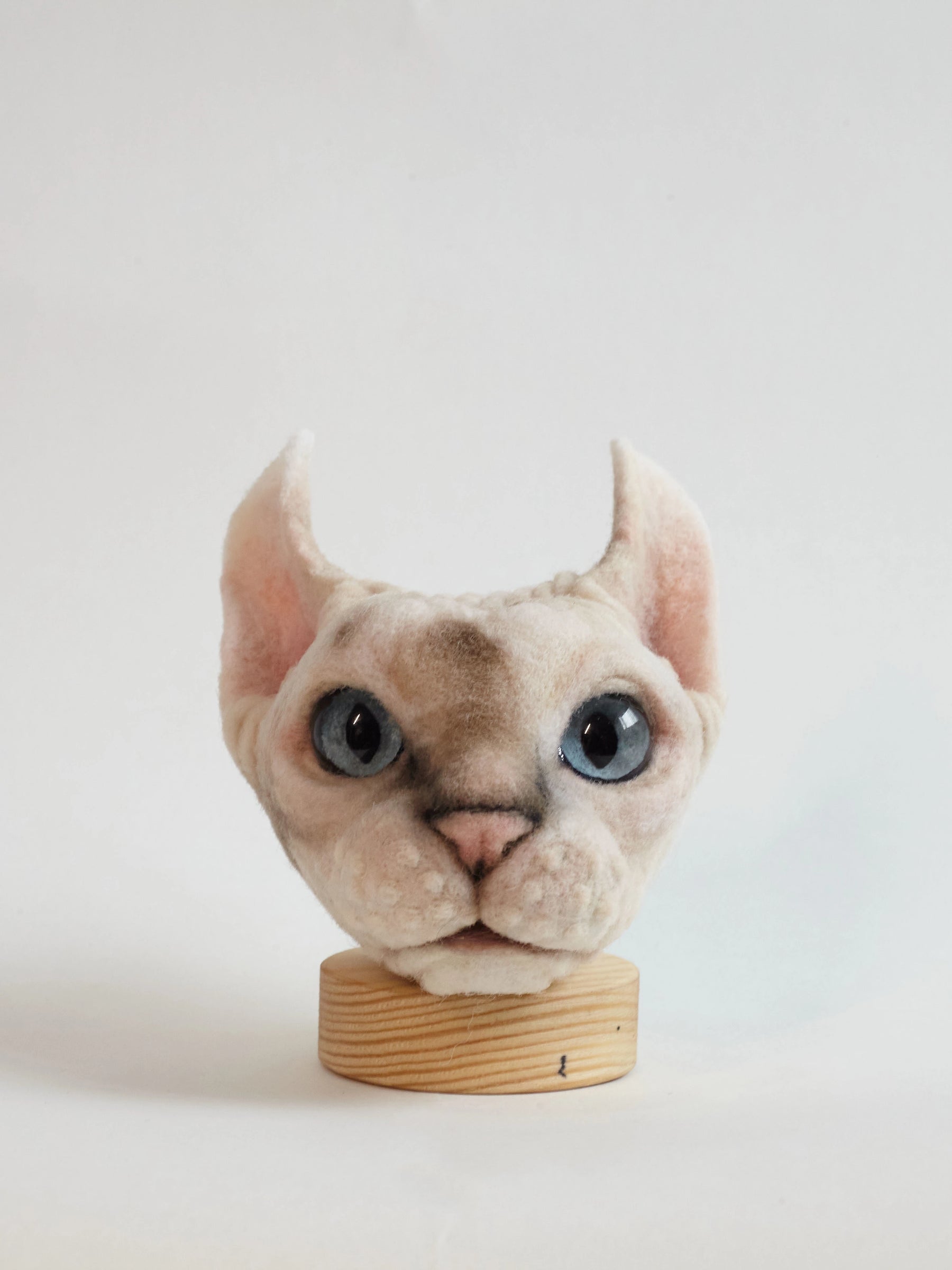
Custom Pet Portrait Brooches – Handmade Stuffed Animal Clones
This is the most directly relevant pick for rabbit owners because the official product page states it can be custom-made for dogs, cats, birds, and rabbits. It works well when you want a small, wearable tribute rather than a large display piece.
- Official listed price
- $99.99
- Key materials and features
- 100% handmade wool felt, lifelike fur textures, lightweight wearable design, custom for rabbits and other pets.
- Best for
- Rabbit memorial gifts, birthday gifts for bunny parents, wearable keepsakes, small-space gifts.
- Official source
- View product page
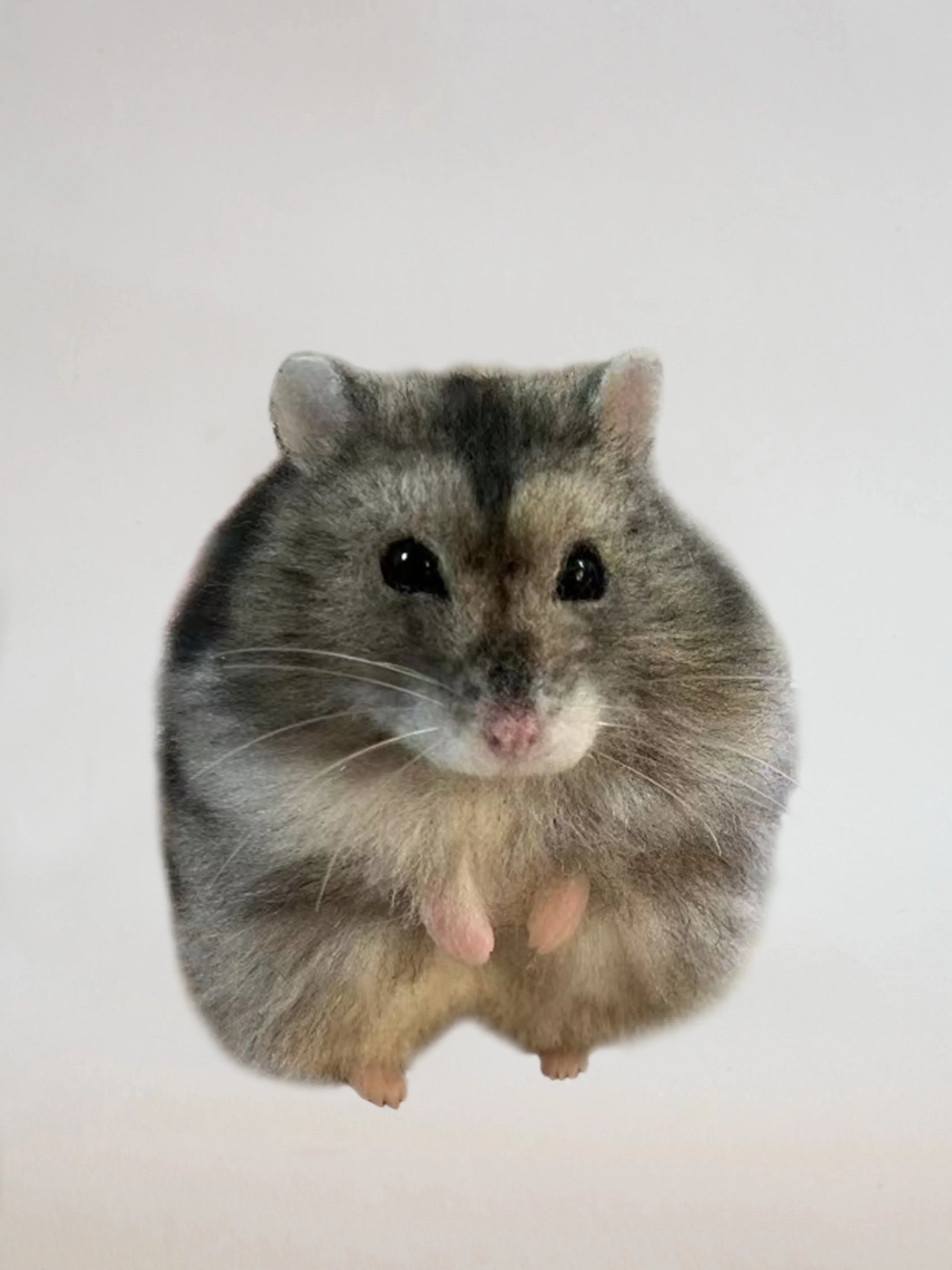
Custom 3D Handmade Felted Hamster & Ferret Stuffed Animal Clones
Although the product title highlights hamsters and ferrets, the official description also says rabbits, rats, and more can be created as custom portraits for small pets. This is a strong match for bunny owners who want a full small-animal sculpture from photos.
- Official listed price
- $239.99
- Product size
- Approximately 5 inches / 12 cm.
- Materials
- Wool body base, resin beard and claws, plastic eyes.
- Production timeline
- Approximately 15–30 days.
- Official source
- View product page
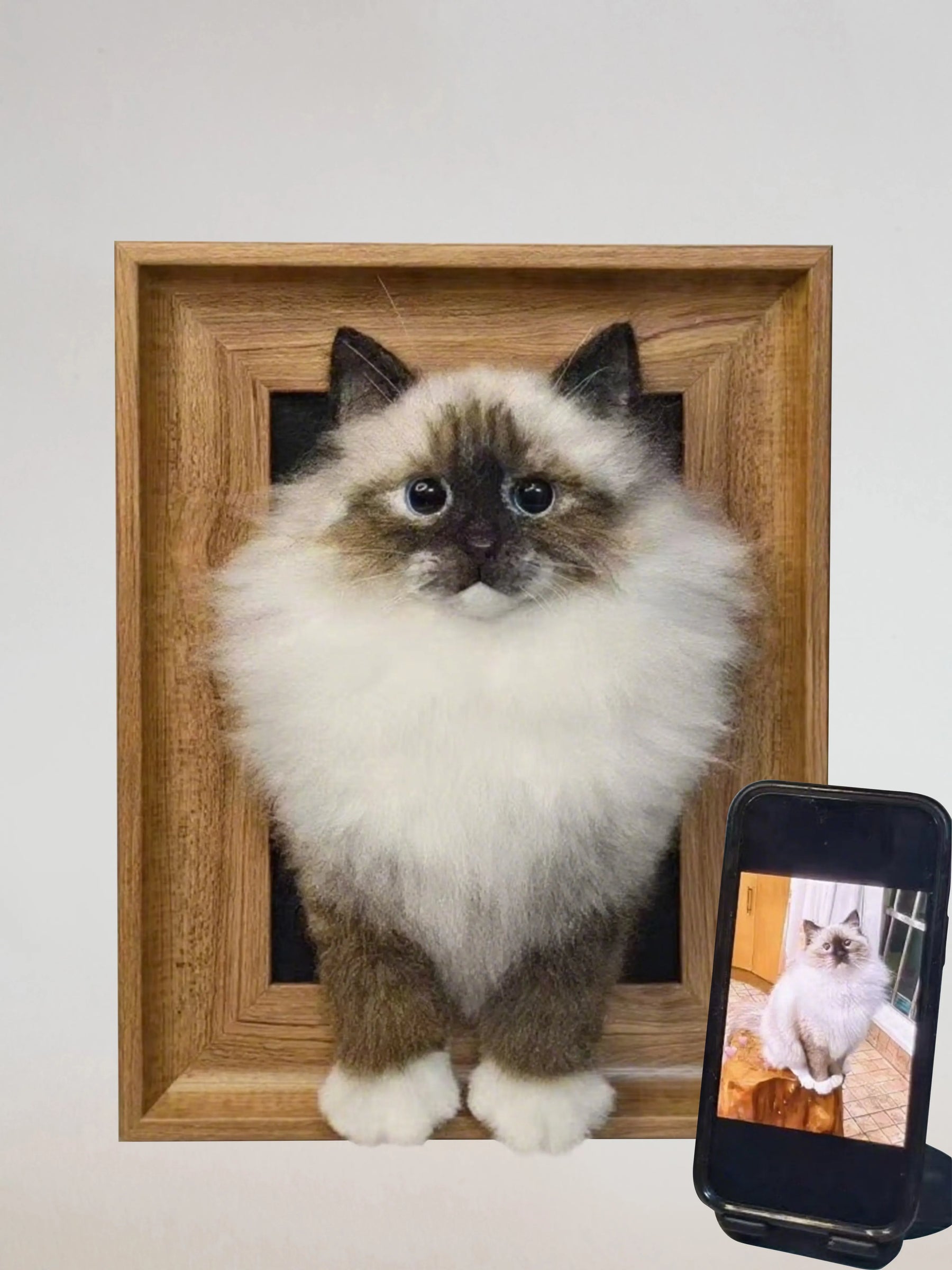
3D Custom Stuffed Animal Clones with Wooden Frame
This framed wool-felt option is best when you want a display piece for a shelf, desk, or memorial corner. For rabbit owners, it can capture the head shape, coat texture, and expression in a more tactile way than a flat photo.
- Official listed price
- $249.99
- Materials
- Wool body base, glass eyes, resin/clay/wax ears and nose, resin or clay paws, tongue, and teeth.
- Production timeline
- Approximately 15–30 days for handcrafted production.
- Official source
- View product page
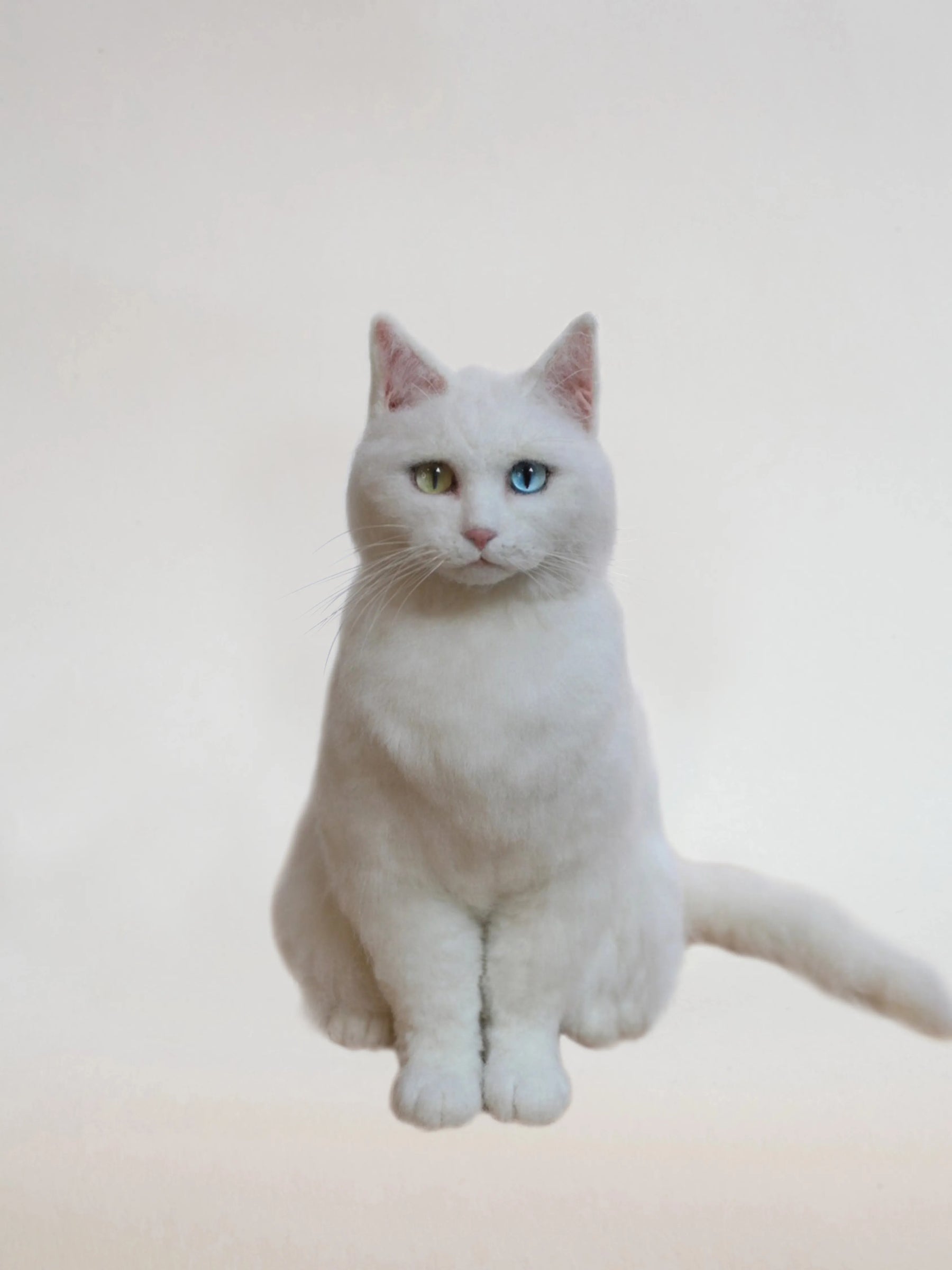
3D Custom Stuffed Animals From Picture – Lifelike Full Body Pet Portraits
Choose this when the rabbit’s full posture matters: loafing, sitting upright, stretching, or a signature ear position. It is the premium option for owners who want the whole body recreated rather than only the face.
- Official listed price
- $499.99
- Size options
- 6–8 inches, 8–10 inches, 10–12 inches, 12–14 inches, and 14–16 inches.
- Features
- 100% handmade, full-body 3D realism, made from pet photos, one-on-one revision support.
- Official source
- View product page
Scroll sideways on mobile to compare product details.
| PetDecorArt pick | Best rabbit-owner use | Official listed price | Useful product detail | Product link |
|---|---|---|---|---|
| Custom Pet Portrait Brooches | Wearable rabbit keepsake | $99.99 | Official page says it can be custom-made for rabbits. | View product |
| Custom 3D Handmade Felted Hamster & Ferret Clones | Small-pet sculpture for rabbits, rats, and similar pets | $239.99 | Approximately 5 inches / 12 cm; production around 15–30 days. | View product |
| 3D Custom Stuffed Animal Clones with Wooden Frame | Display-ready memorial or celebration piece | $249.99 | Wool body base with detailed eyes, ears, nose, paws, and other small features. | View product |
| Full Body 3D Pet Portrait | Capturing a rabbit’s whole posture and ear position | $499.99 | Multiple size options from 6–8 inches to 14–16 inches. | View product |
FAQ: Can Rabbits Have Watermelon?
Can rabbits have watermelon every day?
No. Watermelon should be an occasional treat, not a daily food. Rabbits need fiber from hay far more than they need fruit.
Can rabbits eat watermelon rind?
Yes, many healthy adult rabbits can have a thin strip of well-washed rind occasionally. It is usually less sweet than the red flesh, but it must be clean and served in a small amount.
Can rabbits eat watermelon seeds?
No. Remove black seeds and pick out visible white seeds before feeding. Seeds are unnecessary and may create choking or digestive concerns.
Can baby rabbits eat watermelon?
It is best to avoid watermelon for baby rabbits unless your rabbit-savvy vet specifically says otherwise. Young rabbits need a stable, age-appropriate diet.
Can rabbits eat frozen watermelon?
Fresh watermelon is safer. Frozen chunks can be too cold, hard, or messy. For hot weather, focus on shade, fresh water, and a cool indoor space instead of frozen fruit.
Can rabbits drink watermelon juice?
No. Rabbits should drink fresh water. Watermelon juice delivers sugar without useful chewing fiber and can encourage poor eating habits.
Is watermelon good for keeping rabbits hydrated?
Watermelon contains a lot of water, but it should not be used as a hydration plan. Rabbits should always have clean drinking water, and hot-weather safety should focus on temperature control and steady access to water.
What happens if my rabbit eats too much watermelon?
Your rabbit may develop soft stool, reduced hay interest, or digestive upset. Stop fruit, return to hay and water, and call a rabbit-savvy vet if your rabbit stops eating, produces fewer droppings, seems painful, or does not improve.
Can rabbits eat seedless watermelon?
Yes, seedless watermelon is a better option, but still check for small white seeds and keep the portion tiny.
Which is better for rabbits: watermelon flesh or rind?
For many rabbits, a thin strip of washed inner rind with little pink attached is a smarter treat than several sweet red cubes. Still, both should be occasional.
Final Takeaway
Rabbits can have watermelon, but the safe version is small, fresh, seedless, and occasional. Keep hay at the center of the diet, use fruit as a tiny reward, and skip watermelon completely if your rabbit has digestive issues or reduced appetite.
For rabbit parents who want something more lasting than a snack moment, PetDecorArt can turn a favorite bunny photo into a handmade portrait or small-pet keepsake.


