

Latest updated: May 7, 2026
Searching for “pet adoption near me” usually means one thing: you are ready to meet a real animal, not read a generic list. This guide walks you through where to look locally, how to compare shelters and rescues, what fees usually include, what to ask before you adopt, and how to make the first week at home easier for everyone.
Quick Answer
The best way to find pet adoption near you is to search your local municipal animal shelter first, then check trusted adoption platforms like Petfinder, Adopt a Pet, and nearby nonprofit rescues. Use your ZIP code, filter by species, age, size, and distance, then contact the shelter directly because adoption availability can change the same day.
Do not choose only by photos. The right match depends on your home, schedule, budget, landlord rules, existing pets, and the animal’s known medical and behavior history.
Why “pet adoption near me” is a local search, not just a keyword
Pet adoption is local because the pet has to be matched, met, transported, and supported in your area. Even when a national website shows a pet’s profile, the adoption decision still depends on the shelter or rescue handling that animal.
There is also a real supply-and-demand reason to look locally. The ASPCA reported that about 5.8 million dogs and cats entered U.S. shelters and rescues in 2024, with strays making up the largest share of intake. Shelter Animals Count reported 4.2 million dog and cat adoptions in 2025, a slight increase from 2024. These numbers are national, but the practical impact shows up in your city: shelter capacity, foster availability, adoption specials, and same-day appointments can change quickly.
| Searcher intent | What the person really needs | Best next action |
|---|---|---|
| “Pet adoption near me” | A live list of available dogs, cats, rabbits, or small animals nearby | Search your ZIP code on local shelter pages, Petfinder, and Adopt a Pet |
| “Dog adoption near me” | Size, energy level, leash behavior, and household fit | Ask about temperament notes, dog-to-dog testing, training needs, and exercise level |
| “Cat adoption near me” | Personality, litter box history, other-cat compatibility, and indoor setup | Ask whether the cat is social, shy, bonded, FIV/FeLV tested, or better as a solo pet |
| “Puppy adoption near me” | Age, vaccine schedule, spay/neuter status, time commitment, and training plan | Confirm vetting timeline and be realistic about house training and supervision |
| “Free pet adoption near me” | Reduced-fee events or sponsored adoptions | Check what is included; adoption fee discounts do not remove care costs |
Where to find adoptable pets near you
Start close to home, then widen your search. Many people miss their best match because they only check one website. A municipal shelter may have same-day walk-ins, while a foster-based rescue may have pets living in homes and better notes about daily behavior.
| Place to search | Best for | What to check | Source / example |
|---|---|---|---|
| City or county animal shelter | Same-day adoptions, lost pets, strays, urgent capacity pets | Hours, appointment rules, adoption fees, ID requirements, spay/neuter policy | ASPCA shelter finder |
| Nonprofit humane society or SPCA | Dogs, cats, rabbits, small animals, behavior support, adoption events | Adoption counseling, trial policies, post-adoption support | ASPCA local shelter resources |
| Petfinder | Large national search by ZIP code, species, age, breed, size, and distance | Whether the profile is current and which shelter or rescue owns the listing | Petfinder |
| Adopt a Pet | Search alerts, shelter/rescue listings, adoption advice | Profile date, adoption partner, application process | Adopt a Pet |
| Breed-specific rescue | People who need a certain breed, size, coat type, or temperament profile | Foster notes, health testing, transport rules, adoption radius | Search “[breed] rescue near me” and verify nonprofit/contact details |
| Local adoption events | Meeting several pets in person on one day | Bring ID, landlord approval, carrier/leash, and payment method | Check your local shelter calendar and social pages |
Step-by-step adoption process
- Search within a realistic distance. Start with 10–25 miles if you want to visit quickly. Expand to 50–100 miles only if you can handle transport and follow-up requirements.
- Pick the pet type first. Dog, cat, rabbit, bird, senior pet, bonded pair, puppy, or kitten all create different home needs.
- Read the full profile. Do not stop at the photo. Look for age, weight, spay/neuter status, vaccine notes, microchip, energy level, and compatibility with kids or other pets.
- Call or email before driving. Ask whether the pet is still available, whether walk-ins are allowed, and what documents you need.
- Visit with enough time. A rushed meet-and-greet can hide stress signals. Watch how the animal recovers after noise, handling, and new people.
- Ask direct questions. Good shelters expect them. Ask about medical care, behavior observations, known history, and return or support policies.
- Prepare your home before pickup. Buy basics first: food, bowls, ID tag, collar or harness, leash, crate or carrier, litter setup, bed, cleaning supplies, and a quiet decompression space.
- Book a vet visit. Even if the shelter provides vaccines or a wellness exam option, schedule your own baseline appointment after adoption.
How to read an adoption listing without being fooled by a cute photo
A good listing helps you imagine real life with that pet. A weak listing does not always mean a bad pet, but it does mean you should ask more questions.
| Listing detail | Why it matters | Question to ask |
|---|---|---|
| Age estimate | Changes training needs, energy level, vet planning, and long-term budget | Is this age known from records or estimated by the shelter? |
| Weight and adult size | Important for rentals, travel, exercise, and food cost | Is the listed weight current? Is the pet still growing? |
| Spay/neuter status | Some shelters complete surgery before adoption; others schedule it later | Is spay/neuter already done, included, or required after adoption? |
| Vaccines and microchip | Helps you plan the first vet visit and licensing steps | Which vaccines were given, and when is the next dose due? |
| Behavior notes | “Shy,” “high energy,” “no cats,” or “kid-friendly” can shape the whole adoption | What behavior has staff or the foster home actually observed? |
| Owner surrender or stray | Owner-surrendered pets may have more history; strays may have less | Do you know anything about the pet’s previous home or routine? |
| Bonded pair | Some pets should be adopted together for emotional stability | Are they truly bonded, or just housed together? |
Pet adoption fees and first-year costs
Adoption fees vary by city, shelter, age, species, promotions, and what medical care is included. Some shelters run reduced-fee events, but a low adoption fee should not be confused with a low-cost pet. Food, vet care, prevention, training, grooming, litter, and emergency care continue after adoption.
| Cost item | Common range / note | Why to budget for it | Helpful source |
|---|---|---|---|
| Adoption fee | Often varies from waived or reduced fees to several hundred dollars | May include shelter care, vaccines, spay/neuter, microchip, or licensing depending on organization | LA County example fees |
| Spay/neuter | Sometimes included; sometimes scheduled separately | Confirm before adoption so you know whether a future appointment is required | ASPCA spay/neuter resource |
| Microchip | May be included in the adoption fee or charged separately | A microchip helps identify your pet if they get lost; registration must be kept current | LA Animal Services microchip info |
| Initial supplies | Food, bowls, collar/harness, leash, carrier/crate, bed, toys, litter box, cleaning supplies | You need these before pickup, not after the pet is already stressed at home | ASPCA pet care cost guide |
| First vet visit | Price varies by clinic, region, and pet health | Creates a baseline and catches issues early | AVMA responsible pet ownership |
| Training or behavior support | May be optional for some cats and necessary for many dogs | Early help can prevent returns caused by normal adjustment problems | Petfinder adoption checklist |
Simple budget rule
If the adoption fee is the only amount you can comfortably pay, wait and build a starter fund first. The first month often includes supplies, vet records, preventives, food transition, home cleaning, and a few items you did not know you needed until the pet arrived.
Questions to ask before adopting
The shelter staff or foster family sees the pet in a context you do not. Ask practical questions, then listen for specific answers. “He is sweet” is nice. “He relaxes after a 20-minute walk, guards food from other dogs, and is nervous around skateboards” is useful.
| Topic | Questions to ask | What a helpful answer sounds like |
|---|---|---|
| Medical care | What vaccines, tests, treatments, and surgeries has this pet received? | Dates, records, next steps, and known conditions |
| Behavior | What behavior has been observed in the shelter, foster home, or playgroup? | Specific examples, not vague labels |
| Children | Has this pet met children? What ages and under what conditions? | Observed comfort level, boundaries, and supervision needs |
| Other pets | Has the pet lived with dogs, cats, rabbits, or other animals? | Known history plus safe introduction advice |
| Routine | What schedule helps this pet settle? | Feeding, walks, litter habits, crate comfort, nap routine |
| Stress triggers | What makes the pet nervous, defensive, or overexcited? | Noise, handling, strangers, other animals, confinement, food, toys |
| Post-adoption help | Who do I contact if the first week is difficult? | Email, phone, trainer resources, return policy, trial adoption details |
Dog, cat, puppy, kitten, or senior pet?
The best pet is not always the youngest or most photogenic. It is the one whose needs match your real life.
| Pet type | Best fit | Common challenge | Smart adoption move |
|---|---|---|---|
| Adult dog | People who want a clearer view of size, temperament, and energy level | May need leash work, confidence building, or decompression time | Ask about walk behavior, alone-time comfort, and dog-to-dog notes |
| Puppy | Households with time for supervision, potty training, socialization, and chewing management | High time demand and incomplete adult personality | Plan training before adoption day |
| Adult cat | Apartment homes, quieter households, and people who want a more established personality | May hide at first or need slow introductions | Set up one quiet room before bringing the cat home |
| Kitten | Homes ready for play, climbing, scratching, kitten-proofing, and routine vet care | Needs more supervision than many first-time adopters expect | Consider adopting two compatible kittens if the shelter recommends it |
| Senior pet | People who value calmer routines and can handle medical monitoring | May need more frequent vet care | Ask for current bloodwork, dental notes, medication needs, and mobility details |
| Bonded pair | Homes that can adopt two pets who rely on each other | More food, space, vet care, and litter or walking logistics | Ask whether they are truly bonded and how they behave apart |
First 72 hours and first week at home
Many adoption problems start when people expect instant bonding. A newly adopted pet is not “bad” because they hide, pace, bark, refuse food, have accidents, or test boundaries. They are processing a major life change.
| Timeframe | What to do | What to avoid | Why it helps |
|---|---|---|---|
| Before pickup | Prepare food, water, ID tag, safe room, crate/carrier, litter box, leash, and cleaning supplies | Shopping with the pet after adoption | Reduces noise, stress, and escape risk |
| First ride home | Use a secure carrier or harness system | Loose pets in the car | A scared pet can bolt, hide under seats, or distract the driver |
| First 24 hours | Keep the home quiet and predictable | Parties, dog parks, pet-store trips, or meeting every neighbor | Calm routines help the pet decompress |
| Days 2–3 | Start a simple feeding, potty, walk, or litter routine | Changing food too quickly unless medically necessary | Routine builds safety and lowers digestive stress |
| First week | Schedule a vet check, update microchip registration, and begin gentle training | Assuming behavior is permanent after only a few days | Most pets need time before their true personality shows |
Red flags to avoid when searching “pet adoption near me”
- A seller calls it “adoption” but will not share shelter, rescue, foster, or veterinary records.
- The pet must be shipped without a local meet, foster contact, or safe verification process.
- The organization pressures you to pay immediately before answering basic health and behavior questions.
- The listing uses stolen-looking photos, vague location details, or inconsistent pet descriptions.
- The adopter agreement is missing, confusing, or refuses to explain return/support policies.
- No one asks about your home, schedule, other pets, landlord rules, or ability to care for the animal.
Responsible shelters and rescues are not trying to make the process hard. They are trying to make the match last.
Helpful PetDecorArt tools for new pet parents
Once you adopt, the questions change quickly: How old is my pet in human years? What should I name them? How much should I feed? Is this food or plant toxic? PetDecorArt already has practical tools that fit naturally into the first weeks of pet ownership.
| Tool | When to use it | Link |
|---|---|---|
| Dog Age Calculator | Estimate your adopted dog’s life stage and plan age-appropriate care | Use the dog age calculator |
| Cat Age Calculator | Translate an adopted cat’s estimated age into a practical care stage | Use the cat age calculator |
| Pet Name Generator | Find name ideas for a newly adopted dog, cat, or small pet | Generate pet names |
| Dog & Cat Calorie Calculator | Build a more thoughtful feeding plan after your vet confirms healthy weight goals | Calculate daily portions |
| Pet Toxicity Lookup | Quickly check common household risks before your new pet explores the home | Check pet toxicity |
| Memorial Message Generator | For families adopting again after loss, write a gentle note that honors the pet who came before | Create a memorial message |
Adoption keepsakes from PetDecorArt
The first clear photo after adoption often becomes the photo people keep forever. Once your pet is settled and you can capture their face, markings, posture, and personality, a custom keepsake can turn that first chapter into something lasting.
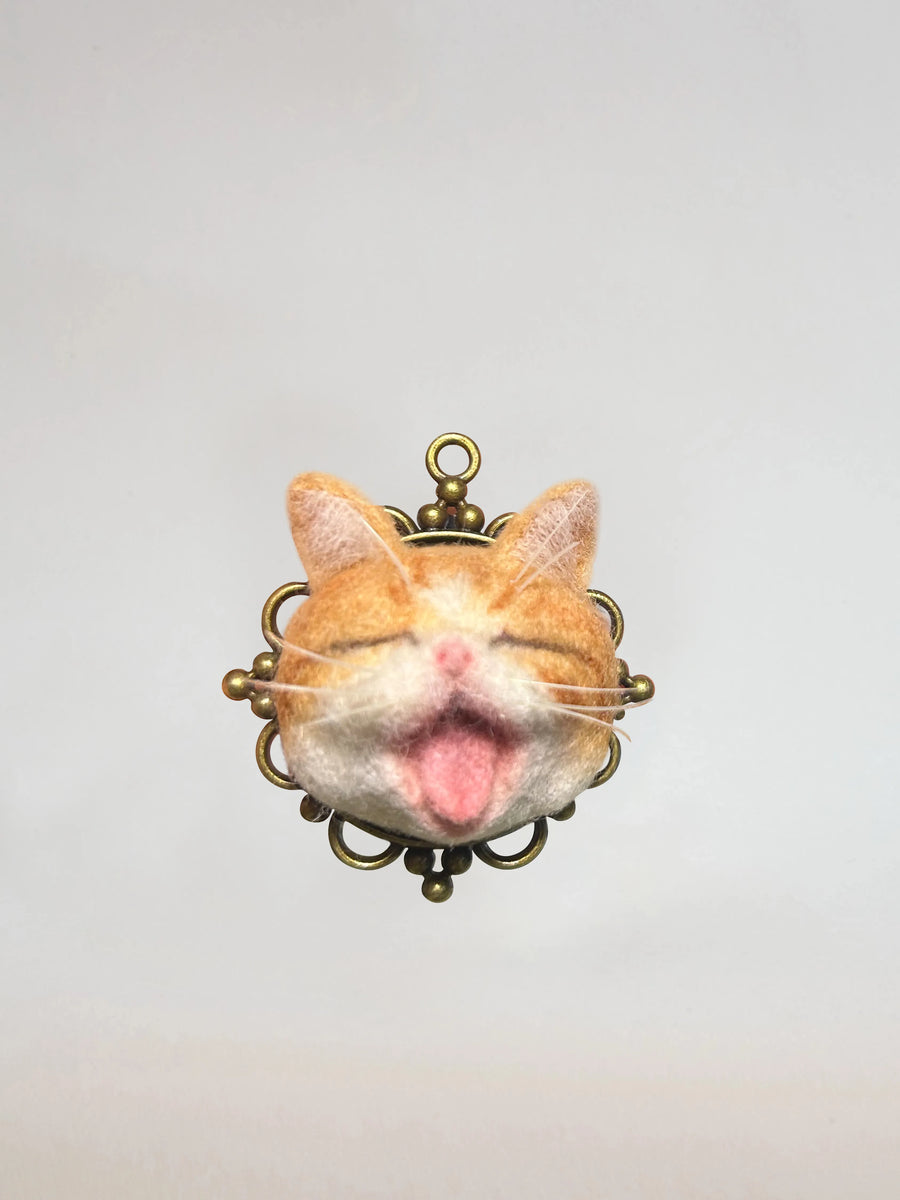
Custom Mini Stuffed Animal Pet Clones - Felt Pet Keychain & Bag Charm
Best for adopters who want a small everyday keepsake for keys, bags, or travel. The product is listed at $59.90, made from pet photos, and designed as a pocket-sized wool-felt piece at about 1.5 inches.
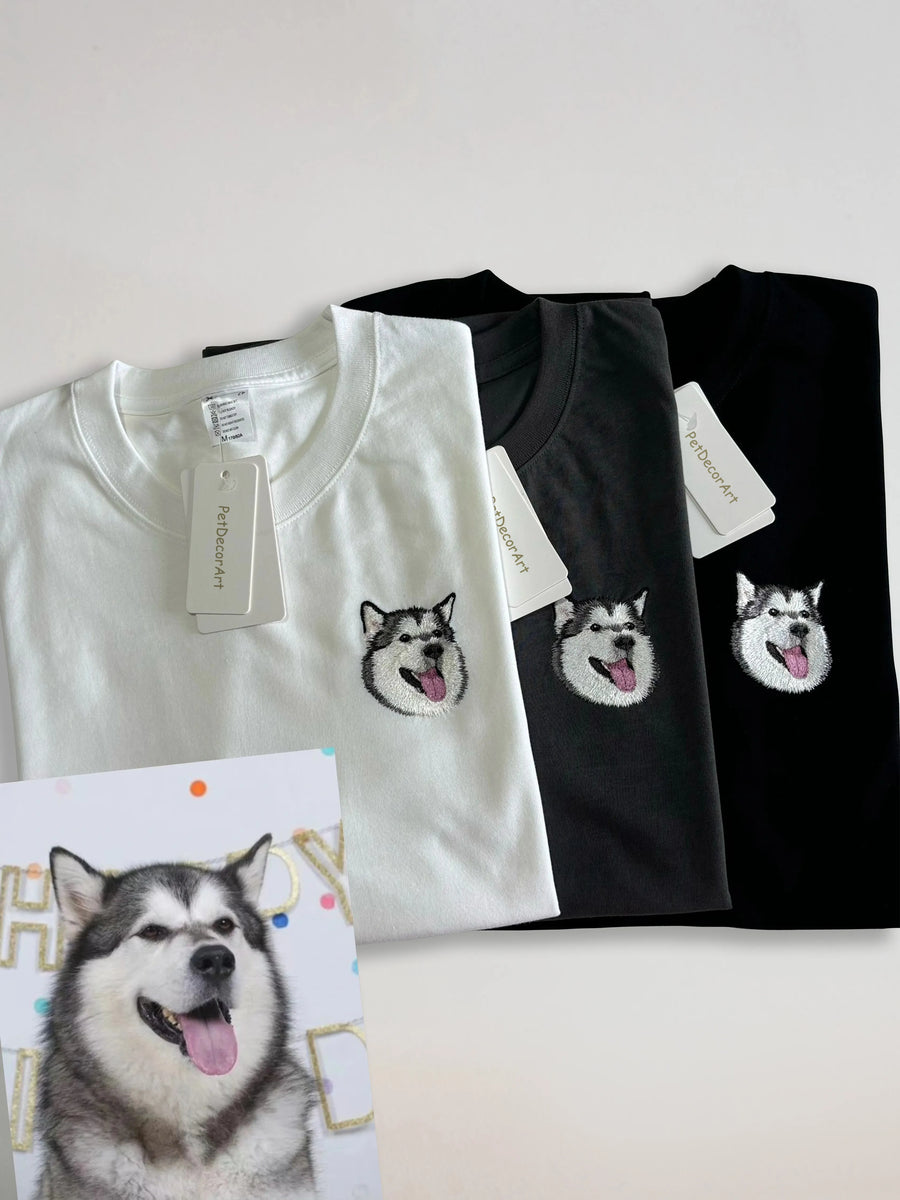
Custom Hand Embroidered Pet Portrait T-Shirt
Best for daily wear after your new pet becomes part of your routine. The product is listed at $49.98, uses 100% pure cotton, offers S to 3XL sizing, and includes mini or classic portrait options.

Custom Hand Painted Pet Portraits Oil Paintings With Frames
Best for a wall-ready adoption portrait. The product starts at $169.99 and offers size options from 4" x 6" to 8" x 12". It is painted on glass, framed, photo-accurate, and made for gift or memorial use.
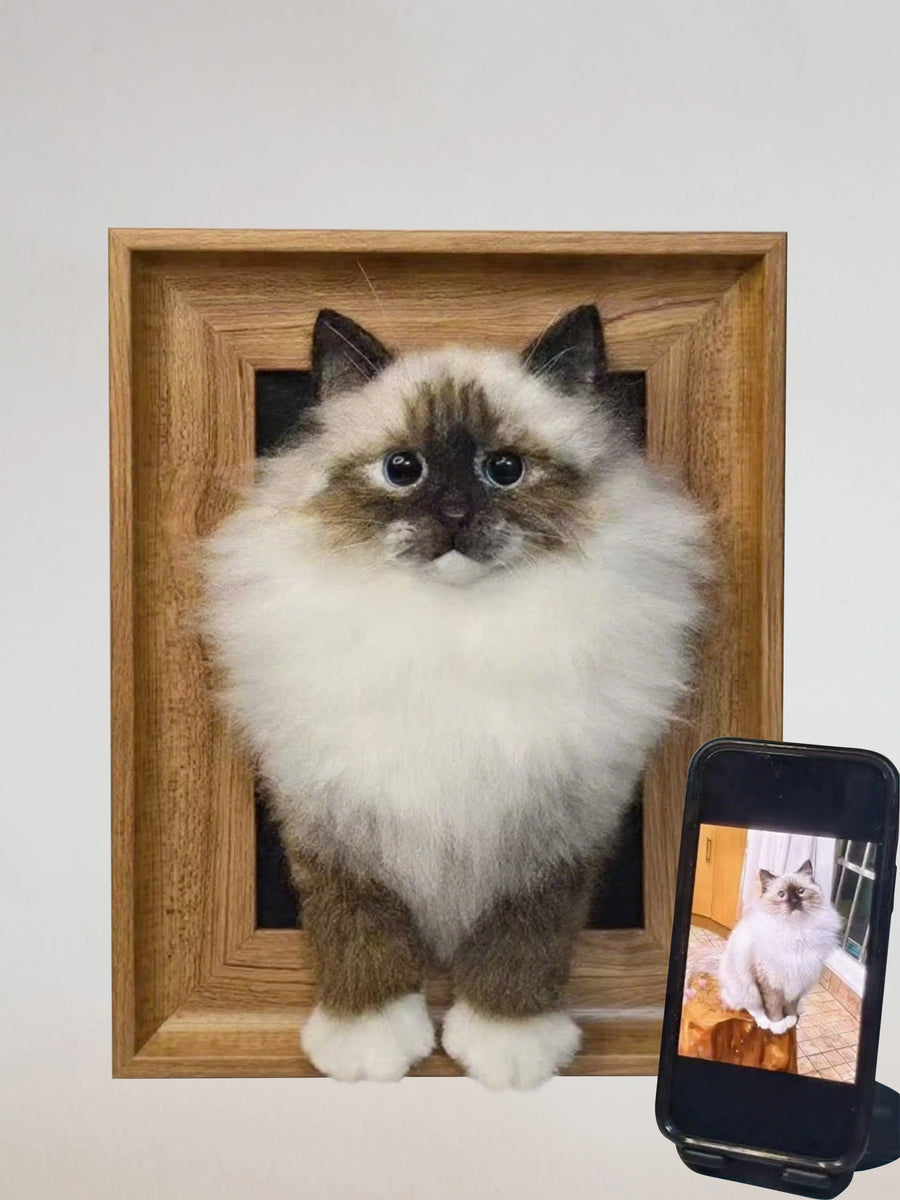
3D Custom Stuffed Animal Clones with Wooden Frame
Best for a premium keepsake when you want texture, expression, and a display-ready frame. The product starts at $249.99, uses handmade wool felt, offers head-only or half-body options, and frame sizes from 6 inches to 16 inches.
| Product | Starting price shown on site | Good adoption moment | Key product details |
|---|---|---|---|
| Mini Felt Keychain & Bag Charm | $59.90 | First walk, first trip, everyday carry | About 1.5 inches, wool felt, photo-based custom design |
| Hand Embroidered Pet Portrait T-Shirt | $49.98 | Casual daily keepsake after adoption | 100% cotton, S–3XL, multiple colors, mini or classic portrait options |
| Hand Painted Pet Portrait With Frame | $169.99 | Framed adoption-day memory | Painted on glass, framed, photo-accurate, 4" x 6" to 8" x 12" |
| 3D Wool Felt Portrait With Wooden Frame | $249.99 | Premium display piece for a deeply loved pet | Handmade wool felt, head-only or half-body, 6-inch to 16-inch frame options |
How to take better photos after adoption
Custom pet art works best when the reference photos are clear. During the first week, do not force photos if your pet is scared. Wait for a calm moment near natural light.
- Use soft daylight near a window or outside in shade.
- Photograph the face straight on, then capture side views and body markings.
- Keep eyes sharp; blurry eyes make portraits harder to personalize.
- For dogs, take one sitting photo and one standing profile.
- For cats, photograph coat pattern, tail, paws, and face shape.
- Upload more than one image when ordering a custom portrait so the artist can understand markings and personality.
FAQ: Pet Adoption Near Me
What is the best website for pet adoption near me?
The best starting points are your local animal shelter website, Petfinder, and Adopt a Pet. National platforms are useful for filtering, but the final adoption process is handled by the shelter or rescue that owns the listing.
Can I adopt a pet the same day?
Sometimes, yes. Many municipal shelters allow same-day adoptions when the pet is available and your application is approved. Foster-based rescues may take longer because they often require applications, references, or meet-and-greet scheduling.
How much does it cost to adopt a pet?
Adoption fees vary widely by location, shelter, species, age, and promotions. Always check what the fee includes, such as spay/neuter, vaccines, microchip, licensing, or a free post-adoption vet exam.
Are shelter pets healthy?
Many shelter pets are healthy and ready for homes, while others may need follow-up care. Ask for medical records, vaccine dates, testing history, spay/neuter status, and any known conditions before adopting.
Should I adopt a puppy, kitten, adult pet, or senior pet?
Choose by lifestyle, not age alone. Puppies and kittens need more supervision and training. Adult pets often have clearer personalities. Senior pets may be calmer but can need closer medical monitoring.
What should I bring to an animal shelter?
Bring a photo ID, proof of address, landlord approval if you rent, payment method, and a secure carrier or leash if the shelter tells you adoption can happen that day.
How far should I search for pet adoption?
Start within 10–25 miles for quick visits and easier support. Expand your search if you are looking for a specific breed, size, species, or senior pet and can handle the travel.
What does “bonded pair” mean?
A bonded pair means two animals rely on each other and should usually be adopted together. Ask the shelter whether they become stressed when separated and what home setup they need.
What if my new pet hides or seems nervous?
That is common during the first few days. Give them a quiet room, predictable routine, food, water, and time. Avoid forcing introductions or overwhelming them with visitors.
When should I create a custom portrait of my adopted pet?
Wait until your pet has settled enough for clear, calm photos. For many pets, that may be after a few days or weeks. A relaxed photo with sharp eyes and visible markings will create a better keepsake.
Ready to start?
Search locally first, ask better questions, and prepare your home before pickup. When your new companion starts to feel safe, save that first clear photo and turn the beginning of your story into a keepsake.
View pet portrait keepsakes Get name ideas Read gift ideas for first-time pet ownersSources and helpful adoption resources
For current local availability, always contact the shelter or rescue directly. National and local data points in this guide were checked against ASPCA, Shelter Animals Count, Petfinder, Adopt a Pet, AVMA, and local public shelter examples.


