

Dog behavior guide • Updated April 27, 2026
One hour does not convert neatly into “dog hours.” A better answer is this: for many calm adult dogs, one hour alone feels like a short routine gap—enough time to notice you are gone, nap, listen for house sounds, and greet you when you return. For a bored, young, anxious, newly adopted, or under-exercised dog, that same hour can feel much longer.

Dogs do not read clocks, but they are very good at reading routines, smells, sounds, and emotional patterns.
The Quick Answer
To a dog, one hour usually feels less like “60 minutes” and more like “one missing part of the usual routine.” If your dog is relaxed, exercised, and used to short absences, one hour may pass quietly. If your dog expects a walk, hears stressful noise, or struggles with separation distress, one hour can feel long and emotionally intense.
There is no reliable rule that says “1 human hour equals X dog hours.” The most useful way to judge your dog’s experience is to watch what happens before you leave, during the first few minutes, and when you return.
What One Hour Usually Means to a Dog
If your dog is healthy, comfortable being alone, and used to your routine, one hour is often a normal short absence. Many dogs spend part of that time resting. Some do a quick “door check,” listen to hallway sounds, sniff the area where you left, then settle again.
The emotional meaning matters more than the number. A quiet hour after a morning walk is very different from an hour after you leave in a hurry, skip the usual goodbye routine, and there is construction outside.
| Your “1 hour” situation | What your dog may experience | Common signs | Best simple help |
|---|---|---|---|
| Quick errand after a normal routine | A short, predictable gap | Resting, mild greeting, normal appetite | Keep leaving calm; offer water and a safe resting spot |
| One hour before the usual walk or meal | A broken routine cue | Door watching, pacing, checking windows | Use a consistent pre-leave cue and avoid skipping basic needs |
| One hour after a good sniff walk | Recovery and nap time | Relaxed body, quiet house, slower greeting | Plan a 10–15 minute sniff walk before leaving |
| One hour with a bored high-energy dog | A long, empty stretch | Toy destruction, zoomy reunion, restlessness | Add a safe puzzle feeder, chew, or treat scatter |
| One hour with separation anxiety | Stress, not just waiting | Barking, howling, drooling, scratching, accidents, escape attempts | Use a gradual alone-time plan and speak with a veterinarian or qualified trainer |
A better mental model: one hour equals one routine cycle
Dogs do not need a clock to know something changed. They notice that your scent is different, the house is quieter, the light has moved, the usual walk did not happen, or the car sound outside matches your return pattern. That is why the same 60 minutes can feel ordinary one day and dramatic the next.
How Dogs Tell Time Without Clocks
Dogs appear to use several time clues at once. They track body rhythms, household routines, scent changes, and environmental sounds. That is why a dog may seem to know when dinner, bedtime, or your return is close without understanding the human idea of “one hour.”

| Dog “clock” | Plain-English explanation | What changes in about one hour | Source |
|---|---|---|---|
| Routine memory | Dogs learn sequences: shoes, keys, door, car sound, return. | If the usual sequence happens, the absence feels more predictable. | VCA Hospitals |
| Circadian rhythm | The body clock helps regulate sleep, waking, meals, and activity. | Light, hunger, sleepiness, and household energy shift gradually. | VCA Hospitals |
| Scent changes | As your scent fades or moves through the home, your dog may use smell as a timing clue. | Your scent intensity changes; hallway and outdoor smells also shift. | American Kennel Club |
| Sound patterns | Dogs notice cars, footsteps, elevators, mail, neighbors, and door sounds. | A calm home can support rest; sudden noise can restart alert mode. | PetMD |
| Emotional state | Relaxed time passes differently from anxious time. | A dog with coping tools may nap; a distressed dog may panic early. | ASPCA |
The “75 minutes” claim is not the answer most owners need
You may see claims online that one human hour feels like 75 minutes to a dog. That number is interesting, but it does not help much with real home behavior. A relaxed senior dog, a teenage herding breed, a new rescue, and a dog with separation anxiety will not experience the same hour in the same way.
The safer answer is: dogs can sense time passing, but their experience depends on routine, scent, environment, age, training history, and stress level.
What Research Says About Time Apart
A frequently cited study by Therese Rehn and Linda J. Keeling looked at privately owned dogs with no history of separation-related behavior problems. The dogs were video-recorded at home after separations of 30 minutes, 2 hours, and 4 hours. The study did not prove dogs were “counting minutes,” but it did find that dogs showed stronger greeting-related behavior after longer separations, especially when the owner returned.
| Time apart | What the study directly tested | Practical takeaway for owners | Source |
|---|---|---|---|
| 30 minutes | Short separation condition | Many comfortable dogs treat this as a small absence. | Rehn & Keeling study |
| 1 hour | Not directly tested in that study | Most likely between the 30-minute and 2-hour pattern; your dog’s routine and stress level matter. | Rehn & Keeling study |
| 2 hours | Longer separation condition | Dogs showed more intense reunion behavior compared with shorter absence. | Rehn & Keeling study |
| 4 hours | Longest separation condition in the study | Longer time affected greeting behavior, but the study did not show reduced welfare in those dogs. | Rehn & Keeling study |
Important limitation
The study involved a small group of dogs without known separation-related behavior problems. It should not be used to dismiss distress in dogs who bark, panic, destroy doors, drool heavily, or injure themselves when left alone.
How to Read Your Dog’s One-Hour Reaction at Home
The easiest way to answer “how long did that hour feel?” is to observe the pattern. A happy greeting alone does not mean your dog suffered. Many dogs are simply excited that their favorite person is back. Look for the whole picture.

| What you see after one hour | Likely meaning | What to do next |
|---|---|---|
| Dog is sleepy, stretches, greets you calmly | The hour probably passed comfortably. | Keep the routine consistent. |
| Dog is excited but recovers in a minute or two | Normal reunion arousal. | Return calmly and avoid turning every reunion into a big event. |
| Dog checks the door or window but no damage | The absence was noticeable but manageable. | Add pre-leave exercise and a safe activity. |
| Dog destroys loose items but not exits | Could be boredom, youth, lack of outlets, or stress. | Use management, enrichment, and training; remove unsafe items. |
| Dog scratches doors, drools, howls, has accidents, or tries to escape | Possible separation distress. | Do not punish. Shorten absences and get professional help. |
A useful 3-day test
For three short absences, write down what happened before you left, how long you were gone, what the house looked like when you returned, and how fast your dog settled. If the problem happens only after skipped walks or unusual noise, you may be dealing with routine disruption. If it happens every time you leave, even briefly, treat it as a bigger behavior concern.
Why the Same Hour Feels Different to Different Dogs
Two dogs can live in the same home and experience the same hour very differently. Age, breed tendencies, activity needs, health, noise sensitivity, and previous life experiences all change how “long” the time feels.

| Factor | Why it changes the feel of one hour | Signs to watch | Helpful adjustment |
|---|---|---|---|
| Puppy or adolescent age | Younger dogs have less impulse control and may need more frequent potty breaks. | Chewing, accidents, sudden energy bursts | Shorter alone sessions, safe confinement, potty timing |
| Senior dog | Older dogs may have pain, hearing changes, vision changes, or cognitive changes. | Confusion, clinginess, restlessness at odd times | Comfortable bed, predictable routine, vet check if behavior changes suddenly |
| High-energy dog | An empty hour feels longer when the body and brain are under-used. | Restlessness, toy destruction, intense greeting | Sniff walk, training game, chew, puzzle feeder |
| New rescue or rehomed dog | The dog may not yet trust that departures are temporary. | Following you everywhere, startle responses, shutdown or panic | Build alone time gradually and read the 3-3-3 rule guide |
| Noisy apartment or neighborhood | Sounds can restart alertness again and again. | Barking at hallway, window scanning, pacing | White noise, curtains, safe room away from hallway |
| Separation anxiety | The issue is panic, not a normal sense of time. | Howling, drooling, escape attempts, door damage, self-injury | Veterinary and behavior support; gradual training plan |
How to Make One Hour Easier on Your Dog
You do not need a complicated routine. The goal is to make the hour predictable, safe, and low-drama.

Before you leave
- Offer a short sniff walk instead of only fast exercise. Sniffing gives the brain a job.
- Make sure your dog has had a potty break, especially puppies and seniors.
- Use the same calm departure pattern. Avoid emotional long goodbyes.
During the hour
- Leave water and a comfortable resting place.
- Use a safe chew, puzzle feeder, lick mat, or small treat scatter if your dog can use them safely.
- Reduce hallway or street triggers with curtains, background sound, or a quieter room.
When you return
- Greet calmly if your dog tends to over-arouse.
- Take a quick potty break before play if your dog has been waiting.
- Notice how long it takes your dog to settle. That tells you more than the greeting itself.
| Dog type | Best one-hour setup | What to avoid |
|---|---|---|
| Calm adult dog | Bed, water, normal house sounds, simple chew | Making departures overly emotional |
| Young active dog | Sniff walk, puzzle feeder, safe room, chew rotation | Leaving tempting unsafe items within reach |
| Senior dog | Non-slip floor, soft bed, easy water access, potty before leaving | Sudden schedule changes without support |
| Newly adopted dog | Short practice absences, calm safe zone, predictable return | Jumping from zero alone time to a full hour too quickly |
| Anxious dog | Very gradual training, professional guidance, shorter departures | “Letting them cry it out” or punishing panic behavior |
When One Hour Is Not Okay
One hour is usually manageable for many adult dogs, but it is not automatically safe or fair for every dog. If your dog is panicking, the answer is not “they need to get used to it.” Distress can become worse when the dog repeatedly rehearses panic.
Red flags that deserve help
- Persistent barking, howling, or crying that starts when you leave
- Drooling, panting, pacing, or shaking that does not settle
- Scratching or chewing doors, windows, crates, or exit points
- Indoor urination or defecation only when left alone
- Escape attempts or any self-injury
- Extreme distress before you even leave, such as blocking the door or trembling at keys
If these signs are familiar, talk with your veterinarian and a qualified positive-reinforcement trainer or veterinary behavior professional.
A Gentle PetDecorArt Bridge: For the Person Who Misses the Dog Back
Sometimes the real question behind “how long does one hour feel to a dog?” is emotional: “Do they miss me like I miss them?” Dogs show attachment differently than people, but many owners want a daily reminder of that bond. These PetDecorArt pieces fit naturally for dog lovers who want to carry, display, or preserve a favorite pet memory.
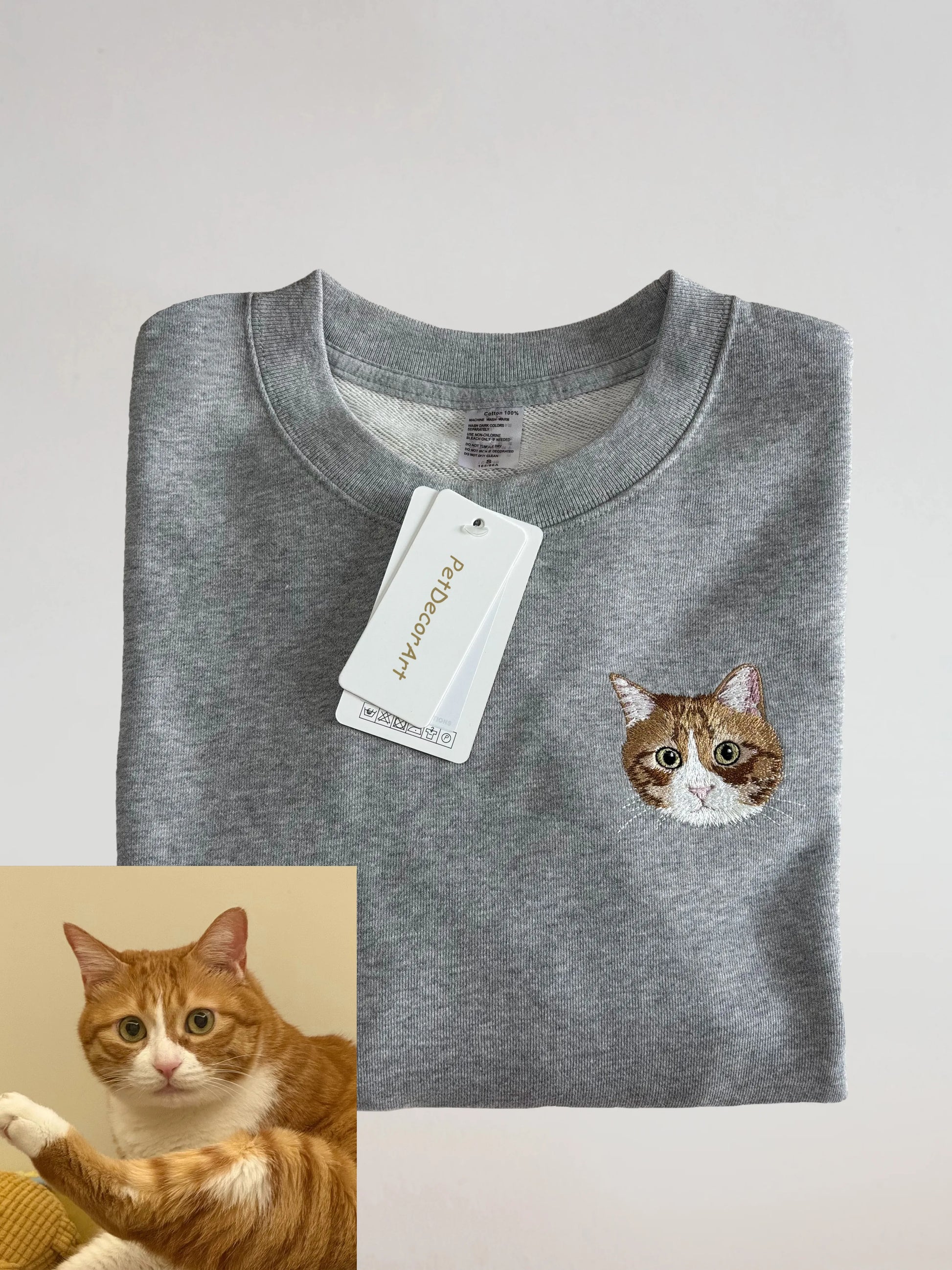
Custom Embroidered Pet Portrait Sweatshirt
- Official price shown: $59.98
- Material: 100% pure cotton
- Portrait options: 2-inch mini or 3.5-inch classic embroidered portrait
- Sizes: S to 5XL
- Colors shown: Black, White, Blue, Brown, Grey, Pink, Beige, Red
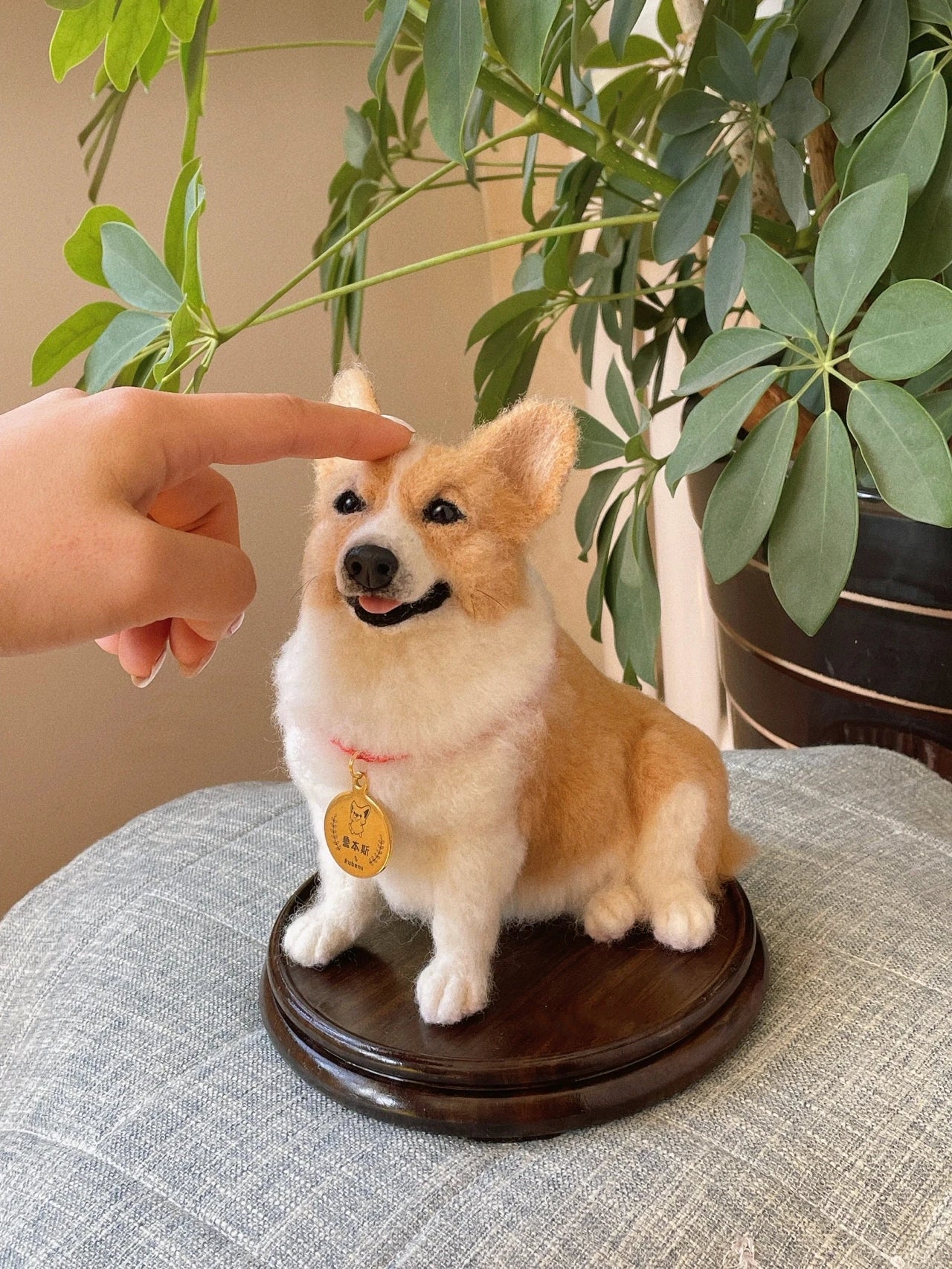
3D Custom Stuffed Animals From Picture
- Official price range shown: $499.99 to $1,999.99 depending on size
- Sizes: 6–8 inches, 8–10 inches, 10–12 inches, 12–14 inches, 14–16 inches
- Craft: 100% handmade, needle felted strand by strand
- Made from your pet photos with full-body 3D realism
- Official FAQ notes an average custom order completion time of about 2–4 weeks depending on complexity and queue
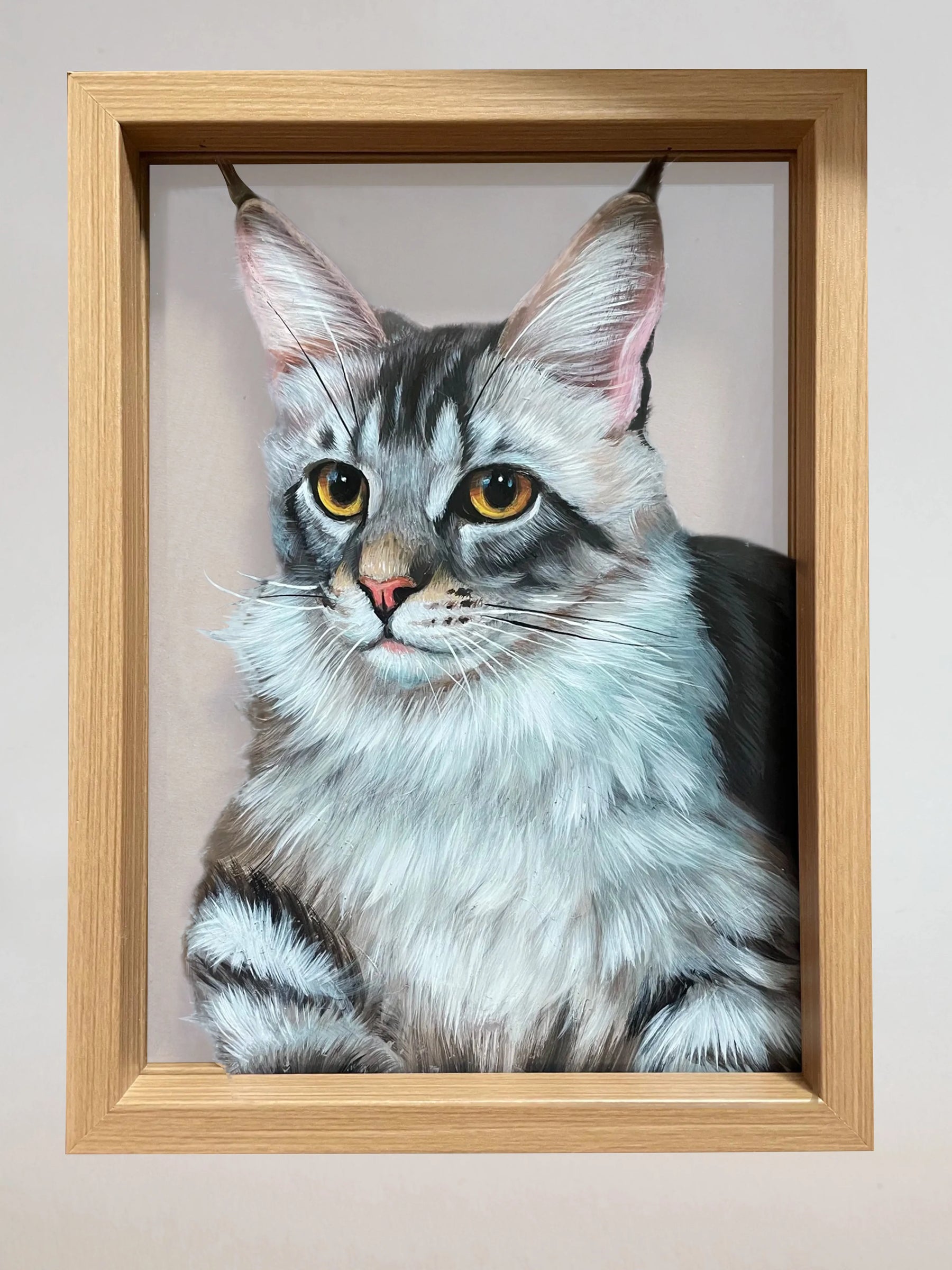
Custom Hand Painted Pet Portraits Oil Painting on Glass
- Official base price shown: $169.99
- Painted on glass and delivered with frame
- Size options include 4×6, 6×6, 5×7, 7×7, 6×8, 8×8, 8×10, and 8×12 inches
- Customizable by size, pose, and multiple-pet request
- Official FAQ notes an average custom order completion time of about 2–4 weeks depending on complexity and queue
| PetDecorArt option | Best fit | Starting price shown | Official collection |
|---|---|---|---|
| Custom Embroidered Pet Portrait Sweatshirt | Wearable everyday reminder | $59.98 | Embroidered Clothing |
| 3D Custom Stuffed Animals From Picture | Lifelike full-body pet replica | $499.99 | Stuffed Animals |
| Custom Hand Painted Pet Portraits Oil Painting on Glass | Framed home decor portrait | $169.99 | Pet Oil Painting |
FAQ
Do dogs understand one hour?
Not the way humans do. Dogs do not read clock time, but they can sense that time has passed through routine, smell, body rhythms, household sounds, and your return pattern.
Does one hour feel like a long time to a dog?
It depends on the dog. For a calm adult dog used to being alone, one hour may be a short nap-and-wait period. For a bored, anxious, young, senior, or newly adopted dog, one hour can feel much longer.
Is one hour too long to leave a dog alone?
For many healthy adult dogs, one hour is usually reasonable. Puppies, seniors, sick dogs, newly adopted dogs, and dogs with separation distress may need shorter sessions and more support.
Why does my dog act like I was gone forever?
A big greeting does not always mean panic. It can be excitement, relief, routine, or learned reunion behavior. Look for what happened during the absence: damage, drooling, accidents, and escape attempts matter more than a happy greeting alone.
Can dogs smell how long I have been gone?
Dogs have a powerful sense of smell, and experts have suggested that changing scent intensity may help dogs judge time-related patterns. Your scent, outdoor smells, and air movement can all become clues.
Do dogs get bored in one hour?
Some do, especially young or high-energy dogs without enough exercise or mental work. A short sniff walk, puzzle feeder, safe chew, or treat scatter can help turn the hour into resting time instead of waiting time.
Should I leave the TV or music on for my dog?
Background sound can help some dogs by masking hallway, street, or neighbor noise. It is not a cure for separation anxiety, but it can be useful for dogs who startle easily in noisy homes.
How can I tell if my dog has separation anxiety?
Warning signs include persistent barking or howling when left alone, drooling, pacing, destruction around exits, indoor accidents only during absence, escape attempts, or self-injury. If these happen, speak with a veterinarian or qualified trainer.
Should I punish my dog for destroying things while I was gone?
No. Punishment after the fact does not teach your dog how to feel safe alone and can make anxiety worse. Focus on safety, management, shorter absences, enrichment, and professional help if distress signs are present.
Sources and Further Reading
- Rehn, T. & Keeling, L. J. — The effect of time left alone at home on dog welfare
- VCA Hospitals — Unlocking the mystery: How dogs can tell time
- American Kennel Club — Dogs Tell Time With Their Noses, Expert Says
- ASPCA — Separation Anxiety
- PetMD — Do Dogs Have a Sense of Time?
This guide is educational and is not a substitute for veterinary or behavior-professional advice. If your dog shows distress when alone, contact your veterinarian or a qualified behavior professional.
Keep the Bond Close, Even When You Step Out
Your dog may not count the minutes, but the relationship is real. Build a calm routine for them—and choose a keepsake that keeps your favorite pet memory close to you.
View Custom Pet Apparel View Pet Replicas Use the Dog Age Calculator


