
A little drool during a happy purr can be completely normal. The trick is knowing when it is just “bliss drool” and when your cat’s mouth, stomach, stress level, or safety needs attention.
Quick Answer
Your cat may drool when purring because deep relaxation can loosen the jaw and increase saliva flow. Many cats do this while kneading, napping on a favorite person, or getting chin scratches. It is usually not an emergency if the drool is clear, happens only during relaxed moments, and your cat eats, drinks, grooms, and acts normally.
Call your vet if the drooling is sudden, heavy, foul-smelling, bloody, sticky, one-sided, paired with bad breath, pawing at the mouth, appetite changes, vomiting, weakness, breathing trouble, or possible toxin exposure.
When Purring Drool Is Normal
Some cats are simply “happy droolers.” You pet them, they purr, their face softens, their paws start kneading, and a small wet spot appears on your shirt or blanket. That pattern usually points to comfort, not illness.
Normal purring drool tends to look like this:
- Clear and watery, not thick, yellow, green, brown, or bloody.
- Small in amount, such as a few drops or a damp patch.
- Situation-based, happening during petting, cuddling, kneading, or dozing.
- Consistent over time, especially if your cat has done it since kittenhood or early adulthood.
- No other symptoms, meaning your cat still eats, drinks, uses the litter box, grooms, and plays normally.
The easiest way to judge it is to look at the whole cat, not just the drool. A relaxed cat with soft eyes, a loose body, steady breathing, and normal appetite is very different from a cat drooling while hiding, gagging, pawing at the mouth, or refusing food.
When Drooling Is Not Normal
Drooling deserves more attention when it changes suddenly or appears outside happy purring moments. Cats are good at hiding discomfort, so mouth pain and nausea can look subtle at first.
Call a vet urgently if you notice any of these
- Heavy drooling that starts suddenly
- Blood-tinged saliva or a bad smell from the mouth
- Drooling plus vomiting, diarrhea, weakness, wobbliness, collapse, tremors, or breathing trouble
- Pawing at the mouth, gagging, repeated swallowing, or acting like something is stuck
- Refusing food, dropping food, chewing on one side, or crying while eating
- Possible contact with toxic plants, human medication, cleaning products, essential oils, pesticides, or string-like objects
If you think your cat may have eaten or licked something toxic, do not wait for more signs. Contact your vet, an emergency animal hospital, or a pet poison hotline right away.
The 60-Second Drool Check
Use this quick check when your cat is safe, breathing normally, and not in obvious distress. Do not force the mouth open. If your cat resists, stop and call your vet instead.
If all boxes fit, it is likely a harmless purring habit. If one or more boxes do not fit, treat the drooling as a symptom worth tracking or discussing with your vet.
Common Causes: Normal vs. Vet-Worthy
This table helps you separate “my cat is melting with happiness” from signs that need a closer look.
| Possible Cause | What It Looks Like | Usually Okay When... | Vet-Worthy When... | Helpful Source |
|---|---|---|---|---|
| Deep relaxation | Small clear drops during purring, kneading, cuddling, or sleeping. | Your cat acts normal before and after, and the pattern is familiar. | The amount suddenly increases or starts happening when your cat is not relaxed. | PetMD: cat drooling |
| Dental disease or oral pain | Drool with bad breath, tartar, red gums, food dropping, one-sided chewing, or pawing at the mouth. | Do not assume this is normal. Cats can hide mouth pain well. | Any appetite change, blood, odor, weight loss, swelling, or visible mouth discomfort. | VCA: dental disease in cats |
| Tooth resorption | Subtle pain signs, drooling, head turning while eating, irritability, or avoiding certain foods. | Not something to diagnose at home. | Your cat changes eating habits or seems sensitive around the mouth. | Cornell: feline dental disease |
| Nausea or motion stress | Drooling in the car, at the vet, after medication, or before vomiting. | It happens only in a known stressful situation and passes quickly. | Repeated vomiting, lethargy, no appetite, or drooling that does not stop. | PetMD: nausea and drooling |
| Foreign object in mouth | Gagging, pawing, repeated swallowing, mouth hanging open, sudden drool. | Do not pull string or thread from the mouth if you see it. | Any suspected string, needle, bone, toy piece, plant stem, or lodged object. | ASPCA: poison control and emergency help |
| Toxin exposure | Drooling with vomiting, diarrhea, heavy breathing, wobbliness, tremors, seizures, or sudden weakness. | Never wait it out if poisoning is possible. | Any possible exposure to toxic plants, medication, cleaners, pesticides, or chemicals. | Cornell: poisons in cats |
Dental Disease: The Big One Cat Owners Miss
If your cat drools only during purring and has always done it, dental disease is less likely. But if the drool is new, heavier, smelly, or paired with eating changes, the mouth should be checked.
Cat dental problems can be easy to miss because many cats keep eating even when their mouth hurts. Instead of obvious crying, you may see smaller clues:
- Bad breath that is stronger than normal “cat breath”
- Chewing on one side
- Dropping kibble or swallowing pieces whole
- Preferring wet food after previously eating dry food
- Red gums, visible tartar, or blood-tinged saliva
- Less grooming, more hiding, or irritability when touched near the face
Cornell’s feline dental information notes that painful tooth resorption can make cats drool, turn their head while eating, become irritable, or avoid food. VCA also lists drooling, bad breath, food dropping, difficult chewing, and swallowing trouble among signs seen with feline dental disease.
Practical home tip
Look while your cat yawns or licks a treat from a spoon. Do not pry the mouth open. You are not trying to diagnose; you are only checking whether you see obvious redness, blood, swelling, broken teeth, or a foreign object.
Stress, Nausea, Foreign Objects, and Toxins
Not every drooling cat has a mouth problem. Drooling can also appear when a cat feels nauseated, stressed, overheated, carsick, or exposed to something irritating or poisonous.
| Context | Likely Direction | What to Watch | Best Next Step |
|---|---|---|---|
| Drools only on your lap while purring | Relaxation habit | Clear saliva, soft body, normal appetite | Wipe gently, note pattern, continue normal care |
| Drools in the carrier or car | Stress or motion nausea | Panting, trembling, vomiting, hiding after travel | Ask your vet about travel nausea and stress reduction before the next trip |
| Drools after medicine | Bitter taste or medication reaction | Foaming, repeated licking, vomiting, weakness | Call the prescribing vet if it seems excessive or your cat acts unwell |
| Drools after chewing plants, string, flowers, or cleaners | Irritation, foreign body, or toxin risk | Vomiting, pawing, gagging, drool that does not stop | Contact a vet or poison hotline immediately |
| Drools with bad breath and eating changes | Dental disease or oral pain | Food dropping, one-sided chewing, red gums, blood | Schedule a veterinary oral exam |
A Sweet Way to Save the Happy Purr Moment
When drooling happens because your cat is relaxed and content, it is often tied to the moments owners love most: lap time, kneading, slow blinking, and the face your cat makes when they feel completely safe. A custom cat portrait can turn that everyday moment into something you can keep, gift, or display at home.
PetDecorArt’s existing cat portrait guide recommends choosing a style based on the photo, the room, and the occasion. For drooly-purr cats, the best reference photo is usually one taken near a window, at eye level, with the face and eyes sharp.
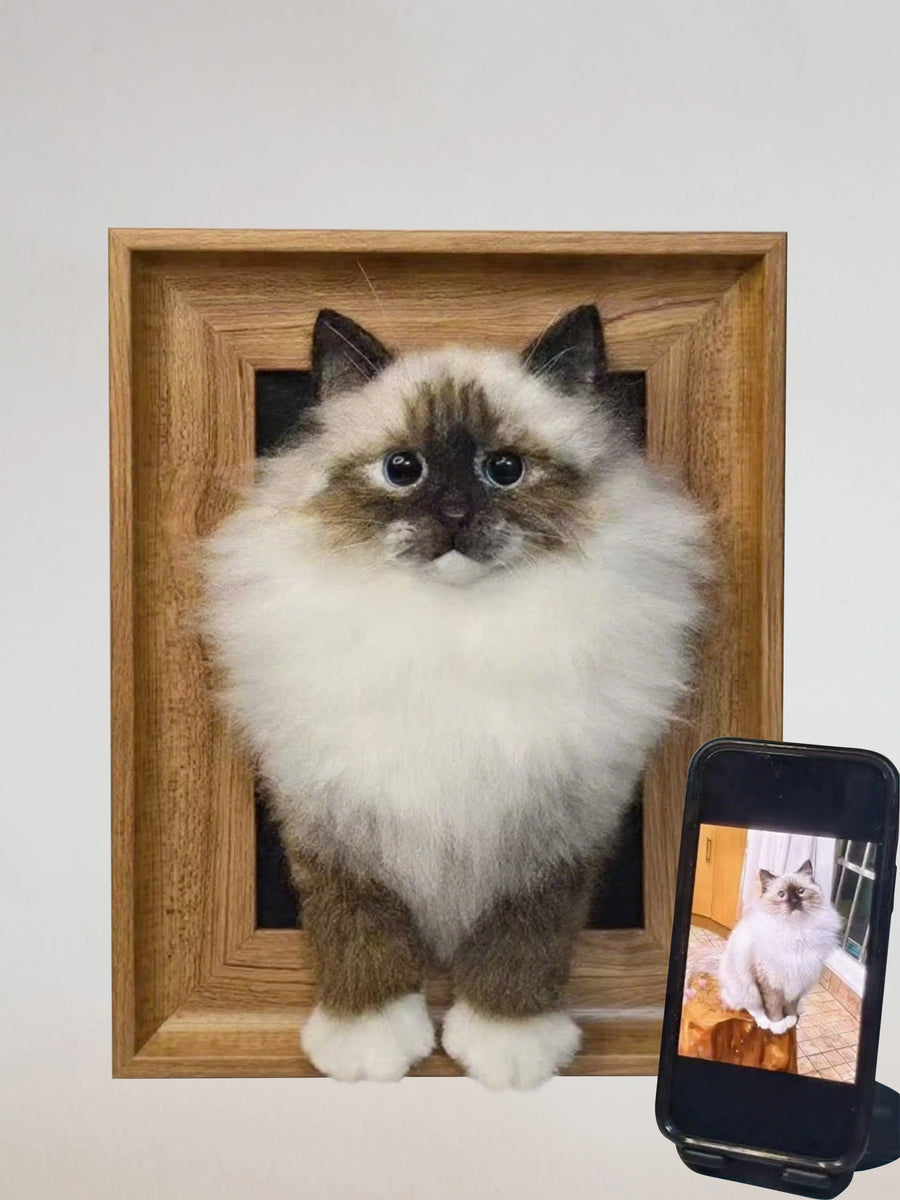
3D Custom Stuffed Animal Clones with Wooden Frame
Best for: a tactile framed keepsake when you want the cat’s expression, fur texture, and little face details to feel dimensional.
- Starting price shown on product page: $249.99
- 100% handmade wool felt
- Head-only or half-body options
- Frame sizes listed from 6 inches to 16 inches
- Made from pet photos with one-on-one custom service
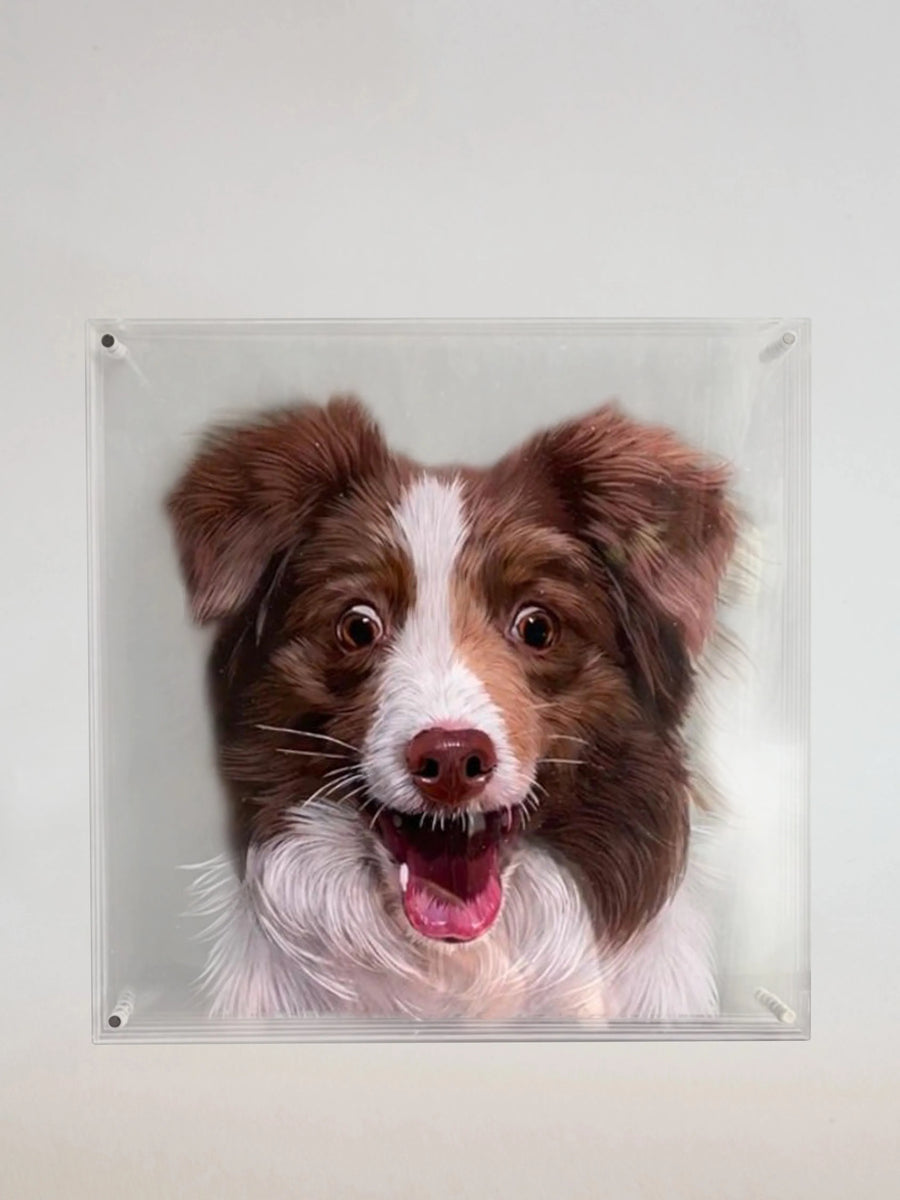
Custom Pet Oil Painting from Photo on Glass
Best for: a polished wall or shelf display when you want a clean, modern portrait with a luminous glass finish.
- Starting price shown on product page: $199.99
- Hand-painted on glass
- Standard design: single pet headshot
- Size options listed from 4" x 6" to 8" x 12"
- Optional full-body and additional-pet customization listed on the product page

Handmade Custom Embroidered Pet Portrait Zip Hoodie
Best for: owners who want a wearable keepsake of their cat’s calm, silly, or sleepy face.
- Sale price shown on product page: $79.98
- 330g CVC terry fabric
- Custom embroidered portrait from your pet’s photo
- Color options include grey, light gray, white, black, khaki green, FireBrick, beige, and more
- Sizes listed from S to 2XL
Helpful PetDecorArt links
For more styles, browse Custom Cat Portraits, the full Pet Portraits collection, and the AI vs handmade pet art guide. If you are choosing a portrait from a kitten photo, the Cat Age Calculator can also help you write a more meaningful caption or gift note.
What to Do at Home Tonight
If your cat is otherwise normal, you do not need to panic. Keep the response simple and observant.
1. Blot, do not scold
Use a soft cloth or washable blanket. Drooling during purring is not misbehavior. Scolding can make a relaxed cat anxious and may make future handling harder.
2. Track the pattern for a few days
Write down when it happens, how much saliva you see, and whether it appears only during purring. A simple note like “clear drool, 5 minutes into lap time, ate dinner normally” is useful.
3. Check food behavior
Watch one meal. Is your cat chewing normally? Dropping food? Turning the head? Avoiding dry food? Walking away from the bowl? These details matter more than the drool itself.
4. Remove obvious risks
Put away string, ribbon, floss, lilies, questionable plants, human medication, cleaning products, essential oils, and damaged toys. If you are unsure whether something is dangerous, use a veterinary poison resource or call a professional.
5. Book a checkup if the pattern changed
Even if your cat seems okay, new drooling in an adult or senior cat is worth mentioning at the next veterinary visit. Mouth pain is easier to treat when it is caught early.
What to Tell the Vet
The vet can help faster when you bring clear details. Use this table before you call or book an appointment.
| Question | What to Note | Why It Helps |
|---|---|---|
| When did it start? | First date noticed, sudden vs gradual, kittenhood vs new adult behavior. | Long-term happy drooling is less concerning than a sudden change. |
| When does it happen? | Only purring, during sleep, after eating, after medicine, in the car, or all day. | The setting points toward relaxation, nausea, stress, oral pain, or exposure. |
| What does the saliva look and smell like? | Clear, foamy, sticky, blood-tinged, foul-smelling, one-sided. | Odor, blood, and unusual texture can suggest mouth disease or irritation. |
| Any eating changes? | Dropping food, chewing on one side, refusing dry food, weight loss, less appetite. | These are important clues for dental pain or oral injury. |
| Any possible exposure? | Plants, cleaners, medications, flea products, essential oils, pesticides, thread, ribbons. | Drooling can be an early sign of irritation or poisoning. |
| Can you share a video? | Record 10–20 seconds of the drooling episode and your cat’s body language. | Video helps the vet see breathing, posture, swallowing, and comfort level. |
Bottom Line
A cat that drools while purring is often just deeply relaxed. If the drool is clear, mild, and tied to happy moments, you can usually treat it as one of your cat’s quirks. But drooling is not automatically harmless. Sudden, heavy, smelly, bloody, or symptom-paired drooling should be checked, especially because dental pain and toxin exposure can hide behind “just drool.”
The safest rule is simple: happy pattern plus normal behavior is usually okay; new drool plus any change in eating, smell, energy, breathing, or exposure risk deserves a vet call.
FAQ
Is it normal for cats to drool when they purr?
Yes, it can be normal. Some cats drool when they are very relaxed, especially during petting, kneading, cuddling, or sleep. It is more reassuring when the saliva is clear, the amount is small, and your cat acts normal otherwise.
Why does my cat drool on me when I pet him?
Your cat may feel safe and deeply content. Petting can trigger purring, kneading, a relaxed jaw, and a small amount of saliva. If this is a familiar pattern and there are no health changes, it is usually just a comfort behavior.
Why did my cat suddenly start drooling while purring?
A sudden change deserves attention. It could still be relaxation, but new drooling can also be linked to dental pain, nausea, stress, mouth irritation, a foreign object, or toxin exposure. Watch appetite, breath, energy, and mouth behavior closely.
Can dental problems make a cat drool while purring?
Yes. Dental disease, tooth resorption, gum inflammation, broken teeth, and oral pain can all lead to drooling. Bad breath, food dropping, one-sided chewing, blood-tinged saliva, pawing at the mouth, or appetite changes are reasons to contact your vet.
Should I wipe my cat’s drool?
Yes. Gently blot the drool with a soft cloth or washable blanket. Do not punish your cat. If saliva is irritating the skin around the chin or chest, or if the drooling is frequent and heavy, ask your vet to check for an underlying cause.
Is foamy drool normal in cats?
Foamy drool can happen after a bitter medication, but it can also appear with nausea, mouth irritation, or toxin exposure. If your cat is weak, vomiting, breathing oddly, trembling, hiding, or may have contacted something toxic, seek urgent veterinary help.
Why does my cat drool when kneading?
Kneading often happens when a cat feels secure and soothed. Some cats drool during kneading for the same reason they drool while purring: their body relaxes, their jaw loosens, and saliva escapes.
When should I call the vet for cat drooling?
Call your vet if the drooling is sudden, heavy, smelly, bloody, sticky, one-sided, or paired with appetite changes, bad breath, pawing at the mouth, vomiting, weakness, wobbliness, breathing trouble, or possible poison exposure.
Turn the Purr Moment Into a Keepsake
When your cat’s drooling is just a sign of pure comfort, that sleepy purr face is worth saving. Choose a clear window-light photo and turn it into a handmade portrait, framed display, or wearable gift.
View Cat Portrait Guide Shop Pet Portraits Check Pet Toxicity Tool
Sources and Further Reading
- PetMD — Why Is My Cat Drooling?
- VCA Hospitals — Dental Disease in Cats
- Cornell Feline Health Center — Feline Dental Disease
- AAHA — Your Pet’s Dental Care
- Cornell Feline Health Center — Poisons
- ASPCA Animal Poison Control
- PetDecorArt — Custom Cat Portraits
- PetDecorArt — 3D Custom Stuffed Animal Clones with Wooden Frame
- PetDecorArt — Custom Pet Oil Painting from Photo on Glass
- PetDecorArt — Handmade Custom Embroidered Pet Portrait Zip Hoodie


