

Cat behavior & communication
Quick answer: your cat is not being “weird”—they are communicating
Cats communicate through small signals: tail position, ears, pupils, posture, scent marking, scratching, vocal sounds, routine changes, and where they choose to rest or hide. The same behavior can mean different things depending on the context. A purr can mean comfort, but it can also happen when a cat is stressed or in pain. Scratching can look destructive, but it is normal stretching, claw care, and territory marking. Litter box changes can be behavioral, but they can also be medical.
The best way to understand your cat is to ask four simple questions: What changed? What happened right before it? What does the body language say? Is this new or intense enough to call a vet?
The 4-part cat behavior map
A single signal rarely tells the whole story. A tail flick during play is not the same as a tail flick during forced petting. A cat hiding during a thunderstorm is not the same as a cat suddenly hiding every day and skipping meals.
Use this map before you label a behavior as “bad,” “spiteful,” or “random.”
| What to check | What it tells you | Example | Useful source |
|---|---|---|---|
| Body language | Ears, tail, eyes, whiskers, posture, and movement show whether your cat is relaxed, curious, overstimulated, fearful, or defensive. | A cat with soft eyes and a relaxed body is different from a cat with flat ears, wide pupils, and a tense crouch. | Cats Protection body language guide |
| Timing | The trigger often explains the behavior better than the behavior itself. | Meowing near the food bowl, yowling at night, hiding after visitors arrive, scratching after waking up. | ASPCA meowing and yowling |
| Environment | Cats react strongly to territory, scent, blocked escape routes, dirty litter boxes, unfamiliar animals, and changes in routine. | A new pet, new furniture, a closed favorite room, or an outside cat at the window can change behavior fast. | ASPCA urine marking in cats |
| Health pattern | Sudden changes in appetite, litter box habits, movement, grooming, sleep, or mood deserve attention. | A cat that suddenly avoids jumping, misses the litter box, hides, or becomes irritable may be uncomfortable or sick. | Cornell Feline Health Center senior cat signs |
Cat body language cheat sheet
People often miss cat signals because they expect dog-style communication. Cats are more subtle. A small ear shift, a sudden tail snap, or a skin ripple can be the polite warning before a swat.
| What you see | Likely meaning | What to do | When to worry |
|---|---|---|---|
| Tail upright, relaxed curve, soft eyes | Friendly greeting or confident curiosity | Let the cat approach. Offer a calm hand sniff below head height. | Usually not a concern. |
| Slow blinking | Comfort, trust, or low-pressure communication | Slow blink back, then look slightly away instead of staring. | If paired with lethargy or hiding, read the whole body—not just the eyes. |
| Ears sideways or back, tail flicking | Irritation, uncertainty, or overstimulation | Stop petting. Pause before the cat has to escalate. | If this appears during normal touch that used to be welcome, consider pain. |
| Wide pupils, crouched body, tucked tail | Fear, stress, or defensive uncertainty | Increase distance. Provide a quiet escape route and hiding place. | Worry if it becomes the cat’s everyday posture. |
| Rolling onto the back | Trust, stretching, play, or defensive readiness—not always a belly-rub invitation | Pet cheeks or chin only if the cat leans in. Avoid grabbing the belly. | If rolling comes with growling or swatting, give space. |
| Hissing, growling, swatting | “Back off now.” The cat is trying to create distance. | Do not punish. Move away calmly and remove the trigger if possible. | Call a vet or behavior professional if aggression is new, frequent, or severe. |
Common cat behaviors explained
Most everyday cat behaviors fall into a few practical categories: safety, territory, comfort, play, hunting, communication, and health. Here is how to read the behaviors owners search for most often.
| Behavior | What it often means | What you should do first | Helpful source |
|---|---|---|---|
| Kneading | Comfort, settling down, bonding, or a leftover kittenhood behavior. | Place a soft blanket between claws and skin. Do not punish a relaxed cat for kneading. | PetDecorArt: what cats think about all day |
| Scratching furniture | Normal claw care, stretching, visual marking, and scent marking from paw glands. | Place sturdy vertical and horizontal scratchers near the target area; reward the scratcher, cover the furniture temporarily. | ASPCA destructive scratching |
| Head bunting or cheek rubbing | Friendly scent marking and social bonding. | Hold still and let the cat rub. Offer cheek or chin pets only if they lean in. | Cats Protection body language |
| Following you from room to room | Social interest, routine tracking, food expectation, curiosity, or separation-related stress. | Check the pattern. If it happens only near feeding time, it is probably routine. If paired with distress when you leave, add enrichment and predictable departures. | PetDecorArt: how to make a cat like you |
| Zoomies at night | Stored energy, hunting rhythm, boredom, or a routine mismatch. | Add a play-feed-sleep routine in the evening: wand toy, small meal, lights down. | PetDecorArt: cat sounds and nighttime yowling |
| Hiding | Normal rest, fear, stress, pain, or illness depending on whether it is new and how long it lasts. | Do not drag the cat out. Make the room quiet, offer food/water nearby, and track appetite and litter box use. | Cornell Feline Health Center |
| Licking you | Social grooming, comfort, salt taste, attention-seeking, or stress if it becomes intense. | If relaxed and occasional, enjoy it. If sudden or compulsive, look for skin, stress, or routine changes. | PetDecorArt: why cats lick people |
| Bringing toys or “gifts” | Hunting sequence, play invitation, or sharing a high-value object. | Redirect to wand toys, puzzle feeders, and scheduled play. Praise the toy version; avoid yelling. | PetDecorArt: cat thought loops |
What cat sounds usually mean
Do not decode the sound by itself. A chirp with a raised tail is different from a chirp with a tense body. A purr on your lap is different from a purr while hiding under the bed.
| Sound | Common meaning | Context clues | Best response |
|---|---|---|---|
| Meow | Human-directed request, greeting, complaint, or “check this.” | Location matters: food bowl, door, litter box, toy, or your desk. | Check the obvious need once. Avoid teaching endless meowing by feeding every time. |
| Trill or chirp | Friendly greeting, excitement, or “come here.” | Often paired with a lifted tail, relaxed posture, or movement toward you. | Respond softly, offer brief attention, or start play if the cat is energized. |
| Chatter | Predatory excitement, often while watching birds or squirrels. | Usually happens at a window or during toy play. | Offer a wand toy or window perch. Do not punish the sound. |
| Purr | Often comfort, but sometimes self-soothing under stress or pain. | Relaxed body + kneading usually means content. Purring while hiding, tense, or not eating is different. | Read the body and situation. If the cat seems unwell, contact a vet. |
| Hiss or growl | Fear, warning, territorial pressure, or pain-related defensiveness. | Flat ears, tense body, arched back, swatting, or retreating. | Back away. Give the cat space and remove the trigger. |
| Yowl | Distress, mating behavior, cognitive changes in seniors, pain, boredom, or territory conflict. | Nighttime pattern, sudden onset, senior age, litter box changes, or window staring at outdoor cats. | If new or intense, start with a vet check. Then adjust routine and environment. |
For a deeper sound-by-sound breakdown, read PetDecorArt’s guide: What Your Cat’s Sounds Usually Mean.
When a behavior change means “call the vet”
Cats are good at hiding discomfort. That is why a behavior change can be the first visible clue. You do not need to panic over every odd day, but sudden, repeated, or combined changes deserve action.
| Change you notice | Why it matters | What to track before calling | Source |
|---|---|---|---|
| Urinating outside the litter box | Could be litter preference, box access, stress, urinary pain, kidney issues, diabetes, or other medical causes. | Frequency, straining, blood, crying, location, litter changes, water intake. | Cornell house soiling guide |
| Sudden hiding | May signal fear, household stress, injury, pain, or illness. | Appetite, water intake, litter box use, walking/jumping, vomiting, breathing. | Cornell senior cat health signs |
| New aggression when touched | A cat may swat because the area is painful or because handling has become too intense. | Where you touched, whether the cat used to like it, movement changes, grooming changes. | Cornell aggression guide |
| Not jumping, stiff movement, or low litter box tolerance | Mobility pain can change where a cat rests, whether they climb, and whether they use a high-sided box. | Stairs, jumping, grooming, litter box entry, sleep position. | Cornell senior cat care |
| Sudden extra vocalization | Can be routine, attention, hunger, stress, mating behavior, pain, or senior cognitive changes. | Time of day, food/water, litter box, senior age, new pets, outdoor cats, sleep disruption. | ASPCA meowing and yowling |
How to respond so your cat trusts you more
Your response can either calm the behavior or accidentally make it stronger. The goal is not to dominate the cat. The goal is to make the safe choice easy.
Use the “pause, read, redirect” method
- Pause: Stop reaching, chasing, or talking louder. Give the cat a second to show the next signal.
- Read: Look at the whole body: ears, tail, eyes, posture, breathing, and whether the cat is moving toward or away from you.
- Redirect: Offer the right outlet: a scratcher, toy, treat toss, quiet room, fresh litter box, or a predictable routine.
The 5-minute trust script
| Time | What you do | Why it works |
|---|---|---|
| 0:00–0:45 | Sit sideways, relax shoulders, soften your eyes, and keep your hands still. | Sideways posture and stillness feel less threatening than leaning over the cat. |
| 0:45–1:30 | Offer a low, relaxed hand sniff without pushing your hand into the cat’s face. | The cat gets choice. Choice lowers pressure. |
| 1:30–2:15 | Try two slow blinks, then look slightly away. | A 2020 study found cats had higher approach scores after a slow-blink condition than a neutral condition. |
| 2:15–3:30 | If the cat approaches, give 2–3 short cheek or chin strokes, then stop. | Stopping early prevents overstimulation and teaches the cat that touch has an exit. |
| 3:30–5:00 | End calmly. Let the cat choose whether to stay. | Trust grows when the interaction ends before the cat has to escape. |
For a more detailed script, read How to Make a Cat Like You in 5 Minutes. For the slow-blink study, see Scientific Reports.
PetDecorArt keepsake guide: match the product to the cat behavior you want to remember
Once you understand your cat’s signals, you start noticing the tiny details that make them unmistakably “them”: the dramatic stare, the proud tail, the loaf pose, the chirpy greeting, or the one weird sleeping position they choose every day. These PetDecorArt options are best used as keepsakes based on real cat personality, not generic pet art.
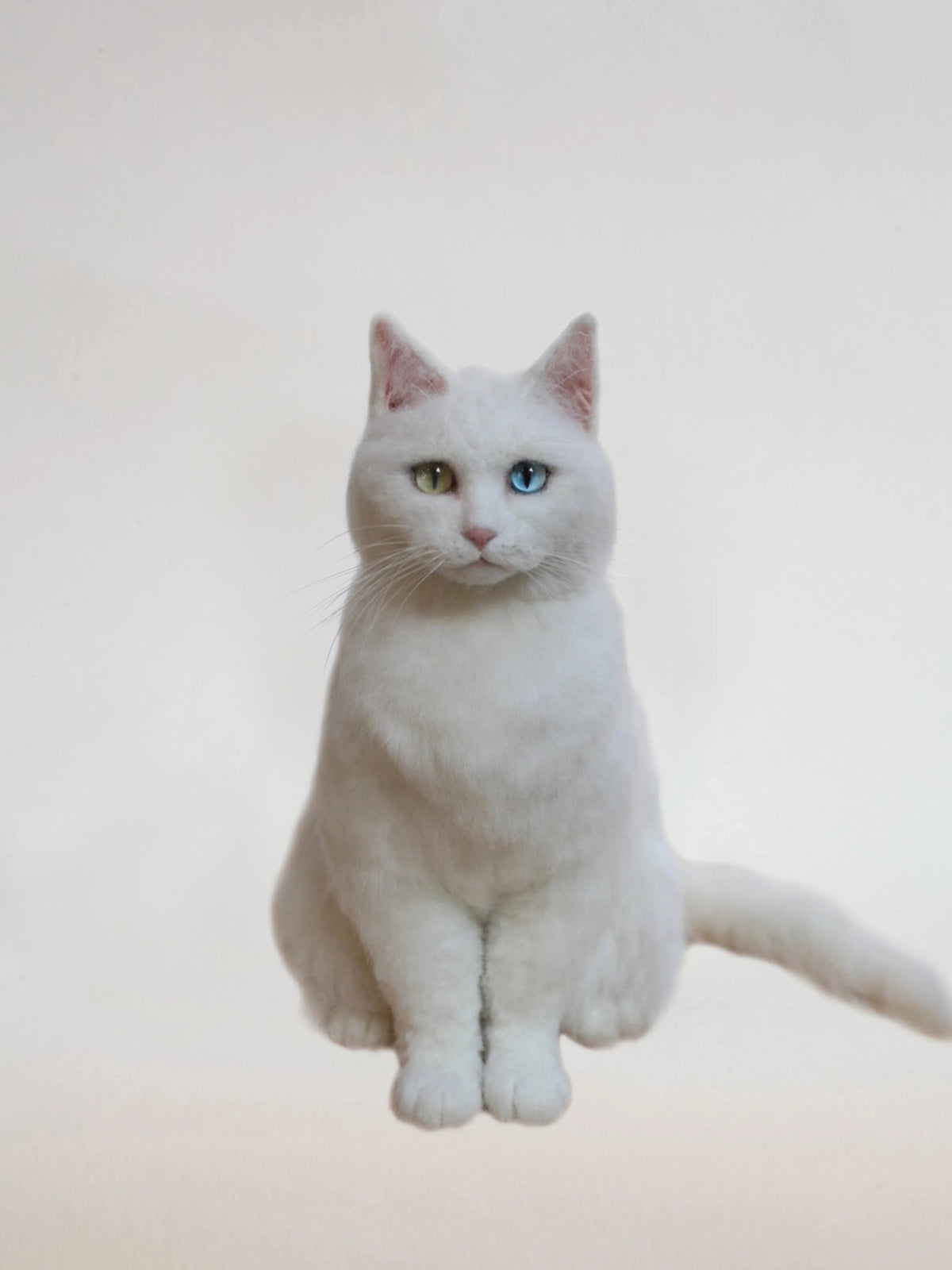
3D Custom Stuffed Animals From Picture - Lifelike Full Body Pet Portraits
Best for: capturing a full-body pose—loafing, sitting tall, tail position, quirky stance, or a memorial display.
- Official price shown on product page: from $499.99
- Handmade needle-felt craftsmanship from customer photos
- Full-body 3D realism designed to capture posture, fur texture, and unique quirks
- Available size options include 6–8 in, 8–10 in, 10–12 in, 12–14 in, and 14–16 in
- Official production timeline shown on product page: approximately 15–30 days
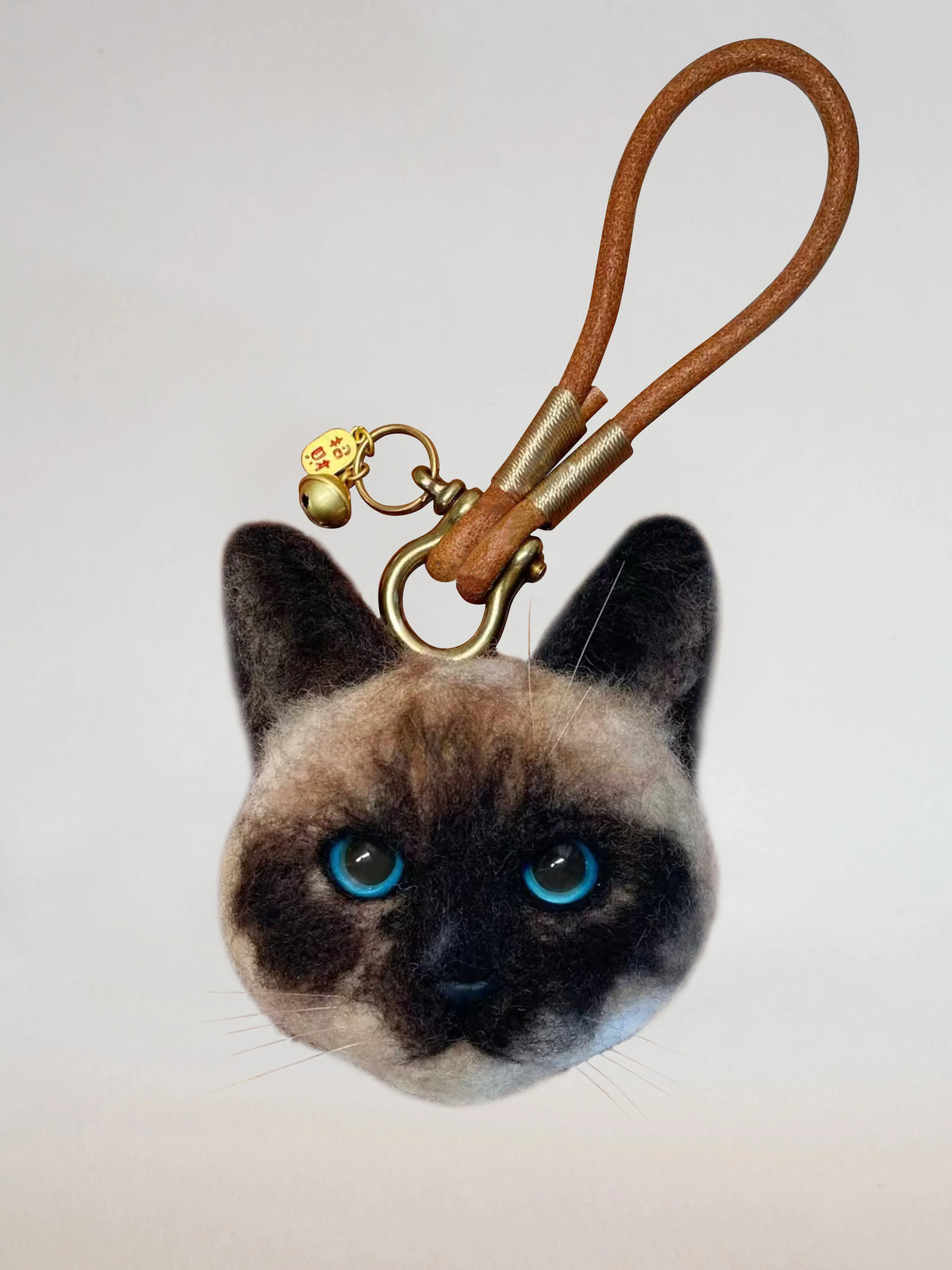
Custom 3D Pet Stuffed Animals Car Hanging Ornaments
Best for: a small, everyday reminder of a cat’s face, expression, eye color, or “always with me” personality.
- Official price shown on product page: $99.99
- 3D custom replica made from your pet photo
- Multi-use charm for bags, backpacks, keychains, car display, or small home display
- Needle-felted detail with high-quality wool
- Official product page notes average custom order time of about 2–4 weeks, depending on complexity and queue
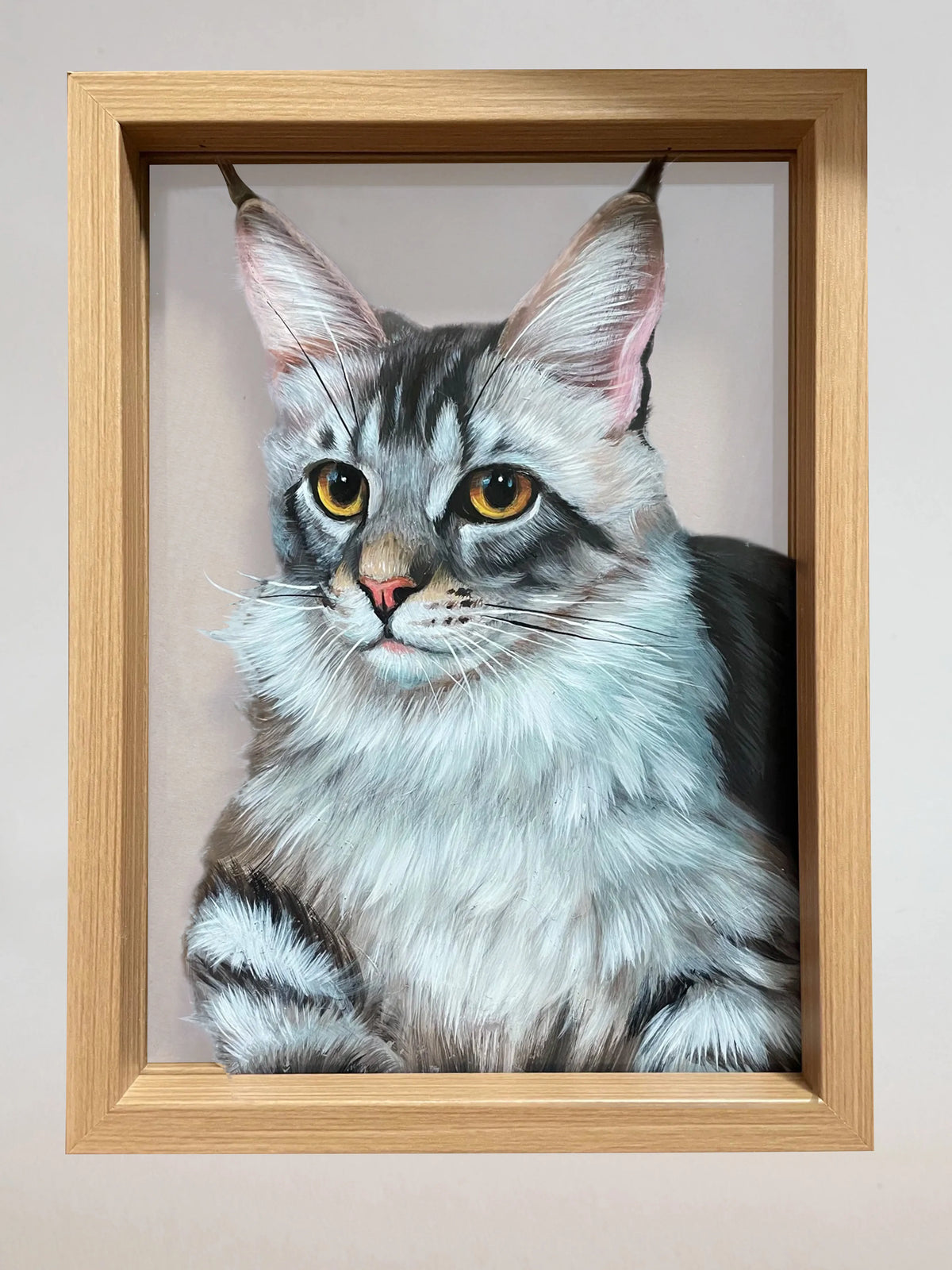
Custom Hand Painted Pet Portraits Oil Paintings With Frames
Best for: a wall-ready portrait that focuses on expression, eye contact, fur detail, and the emotional side of your cat’s personality.
- Official price shown on product page: from $169.99
- Hand-painted on glass and delivered with a frame
- Photo-accurate detail with customizable size, pose, and multi-pet options
- Available size options shown on product page include 4 x 6 in, 6 x 6 in, 5 x 7 in, 7 x 7 in, 6 x 8 in, 8 x 8 in, 8 x 10 in, and 8 x 12 in
- Official product page notes custom orders average about 2–4 weeks, depending on complexity and current queue
Not sure which style fits your cat? Start with the Custom Cat Portraits page. It groups options by style and occasion, including wool-felt, oil painting, embroidery, clay, memorial portraits, funny portraits, and cat + owner portraits.
Simple home fixes that solve many behavior problems
Many cat behavior problems improve when the home makes normal cat behavior easier. This does not mean buying dozens of things. It means placing the right resources in the right places.
| Problem | First home fix | Why it helps | Extra tip |
|---|---|---|---|
| Furniture scratching | Put a sturdy scratcher directly beside the scratched item. | The cat already chose that location. Give the same behavior a better target. | Try both vertical and horizontal scratchers; cats have texture and angle preferences. |
| Night zoomies | Schedule evening hunting play before the last meal. | Play-feeding-sleeping follows a natural rhythm. | Use wand toys, then put them away so the string is not a hazard. |
| Stress hiding | Create a quiet room with food, water, litter, bedding, and a hiding spot. | A safe base lets the cat decompress without being cornered. | Do not force handling. Let the cat come out on their own timeline. |
| Multi-cat tension | Duplicate resources: litter boxes, food stations, water bowls, beds, scratchers. | Competition over resources creates silent pressure before fights happen. | For litter boxes, a common starting point is one per cat plus one extra. |
| Litter box avoidance | Clean daily, use unscented litter, and offer an uncovered box in a quiet location. | Odor, access, box type, and location can all create aversion. | Senior or mobility-limited cats may need low-sided boxes. |
| Door dashing or window frustration | Add indoor enrichment and block stressful outdoor cat views when needed. | Outdoor cats can trigger territory stress and redirected aggression. | Use a perch for safe watching when the view is enjoyable, not stressful. |
FAQ: cat behavior explained
Why does my cat stare at me?
Your cat may be curious, waiting for food, asking for attention, or watching your movement. Soft eyes and slow blinks are usually friendly. A hard stare with growling, hissing, flat ears, or a tense body means give space.
Why does my cat scratch the couch even with a scratching post?
The post may be in the wrong location, too wobbly, too short, or the wrong texture. Put a sturdy scratcher right beside the couch, try both vertical and horizontal options, and reward the cat for using it.
Does purring always mean my cat is happy?
No. Purring often happens when a cat is relaxed, especially with kneading and soft body language. But some cats also purr when stressed or in pain. Read the body language, appetite, hiding, and behavior pattern.
Why does my cat bite after asking to be petted?
Many cats enjoy short contact but become overstimulated. Watch for tail flicking, skin rippling, head turning, ears shifting back, or sudden stillness. Stop petting before the warning turns into a bite.
Why does my cat suddenly avoid the litter box?
Possible reasons include dirty litter, litter type, box location, stress, conflict with another pet, mobility pain, or urinary/digestive medical issues. Sudden litter box changes should be taken seriously, especially if your cat strains, cries, or produces little urine.
Why does my cat follow me everywhere?
It can be affection, curiosity, routine, food expectation, or anxiety. If your cat follows you calmly, it is usually social behavior. If they panic when you leave, vocalize intensely, or stop eating, look at stress and routine changes.
Why does my cat hide when guests come over?
Many cats feel safer observing from a distance. Do not force them out. Create a quiet room with essentials and let guests ignore the cat until the cat chooses to approach.
How do I know if my cat is playing or fighting?
Play is usually loose, bouncy, and balanced, with pauses and role-switching. Fighting is tense, loud, one-sided, and may include chasing into hiding, blocked exits, flattened ears, or fur flying.
Turn the behavior you love into a keepsake
Every cat has a signature: the slow blink, the dramatic side-eye, the loaf, the head bump, the proud tail, or the tiny chirp at dinner time. If you have a photo that captures that personality, PetDecorArt can turn it into a handmade keepsake.
View cat portrait options · Shop pet portraits · Explore custom pet decorations
This article is for general education and does not replace veterinary diagnosis or treatment. If your cat’s behavior changes suddenly, becomes severe, or appears with appetite, litter box, breathing, movement, or pain signs, contact a veterinarian.


