
Dog Behavior Guide
Updated on May 6, 2026
Dogs do not say “I love you” in human words. They say it with proximity, relaxed body language, soft eye contact, happy greetings, trust-based routines, and the small choices they make when they feel safe around you. The trick is not to look for one dramatic sign. It is to read the whole dog: eyes, tail, posture, timing, and context.
Quick Answer: The Most Common Ways Dogs Say “I Love You”
Your dog is probably showing love when they choose to be near you with a loose body, relaxed eyes, a soft tail wag, and no signs of stress. The strongest everyday signs include:
- They greet you with a loose, wiggly body instead of stiff excitement.
- They rest near you or lean gently against you.
- They make soft eye contact, blink, then look away comfortably.
- They bring you a toy or invite you to play.
- They follow you calmly from room to room.
- They sleep near you or relax with their back turned because they trust you.
- They check in on walks, not because they are scared, but because you are their safe base.
The important part: love should look relaxed. If your dog is panting hard, pacing, trembling, lip-licking, showing whale eye, or unable to settle, that may be stress or separation anxiety rather than affection.

How Dogs Communicate Love Differently From Humans
Humans usually think of love as words, hugs, gifts, and big emotional moments. Dogs are more physical and more immediate. They care about safety, routine, shared scent, play, food, movement, and being close to the people they trust.
That is why a dog’s “I love you” often looks ordinary: lying by your feet, following you to the kitchen, resting a chin on your knee, greeting you with a full-body wiggle, or choosing your side of the couch when there are other comfortable places available.
One of the biggest mistakes owners make is reading every cute behavior as affection. A tail wag can mean happiness, but it can also mean arousal, uncertainty, or frustration. A dog glued to your side can be bonded, but they can also be worried. A good reader watches the whole pattern, not one isolated signal.
The “whole dog” rule
Before you decide what your dog is saying, check four things:
- Body: Loose and wiggly usually points toward comfort. Stiff, low, frozen, or hunched needs caution.
- Eyes: Soft eyes suggest calm. Hard staring, wide eyes, or visible whites can mean stress.
- Tail: A broad, loose wag is usually friendlier than a fast, tight, high wag.
- Choice: Affection is strongest when your dog chooses contact and can easily move away.
17 Ways Dogs Say “I Love You”
Use this table as a practical decoder. It is written for everyday owners, not trainers, so the goal is simple: notice the signal, check the context, and respond in a way your dog actually enjoys.
| Dog behavior | What it often means | What to look for | How to respond | When it may not mean love |
|---|---|---|---|---|
| Loose, full-body greeting | Your dog is happy you are back and wants contact. | Curved body, soft mouth, wiggly hips, relaxed tail. | Greet calmly, then offer petting or a short game once they settle. | If jumping, barking, or spinning is frantic, it may be overarousal. |
| Soft eye contact | Your dog feels safe enough to connect with you. | Relaxed eyelids, normal pupils, brief gaze, easy look-away. | Use a warm voice; do not stare hard or lean over them. | A hard stare with a stiff body can be tension, not affection. |
| Leaning against you | They may be seeking comfort, closeness, or reassurance. | Loose muscles, calm breathing, no shaking or tucked tail. | Let them lean; scratch the chest or shoulder if they enjoy it. | If they lean while trembling or hiding, they may be scared. |
| Sleeping near you | They trust your presence and feel safe in your space. | Deep rest, slow breathing, relaxed paws, loose body. | Respect the nap; avoid startling them awake. | If they cannot relax unless touching you, watch for anxiety patterns. |
| Following you calmly | You are part of their trusted group and daily routine. | Quiet walking, casual check-ins, ability to settle nearby. | Give them a resting spot near common family areas. | If they panic when you leave the room, it may be separation distress. |
| Bringing a toy | They want to share, play, or start a social interaction. | Play bow, bouncy steps, relaxed grip, wagging body. | Play for a few minutes or praise the offer. | If they guard the toy or stiffen when you reach, give space. |
| Checking in on walks | They see you as a partner, not just the person holding the leash. | Looking back, slowing down, returning to your side without pressure. | Reward with praise, movement, or a sniff break. | Repeated anxious looking may mean the environment is too stressful. |
| Rolling onto the back | Sometimes trust, play, or a belly-rub request. | Loose body, curved spine, open mouth, wiggly movement. | Pause first; pet only if they stay relaxed and invite it. | A frozen belly-up posture can be appeasement or fear. |
| Nose nudges | A gentle request for attention, petting, play, or help. | Soft body, light pressure, relaxed face. | Ask what they need: potty, play, food, comfort, or contact. | Repeated pushy nudging may be learned demand behavior. |
| Licking your hand or face | Social contact, grooming behavior, or attention-seeking. | Relaxed posture, short licks, easy stop when redirected. | Accept it if you like it, or redirect gently to a toy. | Excessive licking can be stress, nausea, or compulsive behavior. |
| Sitting on your feet | Closeness, comfort, warmth, or staying connected. | Calm breathing, soft eyes, no blocking or guarding. | Let them rest there, then practice easy movement cues. | If paired with growling at others, it may be guarding. |
| Happy “helicopter” or loose tail wag | Friendly excitement and positive social energy. | Whole-body movement, neutral tail height, relaxed shoulders. | Invite a calm greeting or quick game. | A stiff, fast, high wag can signal tension or arousal. |
| Play bow | They want fun with you and trust the interaction. | Front legs low, rear up, bouncy movements, playful face. | Play tug, fetch, chase, or a short training game. | If the other dog or person is uncomfortable, redirect. |
| Resting their chin on you | A quiet request for closeness and comfort. | Stillness, soft eyes, relaxed jaw. | Use slow petting or calm praise. | If they freeze or guard your lap, create gentle boundaries. |
| Turning their back to you while resting | They trust you enough not to stay on alert. | Relaxed spine, comfortable sleeping position, no tension. | Do not take it personally; this is often a trust sign. | If they turn away after pressure, they may be asking for space. |
| Responding to your voice | Your tone matters to them, especially when you speak warmly. | Perked ears, soft face, tail movement, approach behavior. | Use consistent words and a calm tone. | If they crouch or avoid you, your tone may feel too intense. |
| Staying close after meals or play | They choose you even after a need has been met. | Settling near you after eating, playing, or walking. | Offer quiet companionship instead of constant stimulation. | If pacing continues, check for discomfort, potty needs, or stress. |
How to Tell Affection From Anxiety or Overexcitement
A lot of “my dog loves me so much” behaviors are sweet. Some are also signs that the dog is struggling. The difference is usually relaxation. A loving dog can enjoy you and still settle. An anxious dog cannot relax until the trigger is gone.
| Situation | Likely affection | Possible stress signal | Owner move |
|---|---|---|---|
| You come home | Wiggly body, quick greeting, then settles. | Frantic barking, jumping, panting, or unable to calm down. | Keep greetings warm but low-key; reward calm contact. |
| You prepare to leave | Your dog notices but stays relaxed. | Pacing, whining, drooling, following with panic, blocking the door. | Practice calm departure routines and speak with a vet or behavior professional if severe. |
| Your dog wants petting | Loose body, nudges, moves closer, leans in. | Lip licking, turning away, whale eye, freezing. | Use the consent test: pet for a few seconds, stop, and see if they ask for more. |
| Your dog brings a toy | Bouncy play invitation and relaxed grip. | Stiff body, growling, hovering over the toy. | Trade with treats or play with another toy; avoid grabbing. |
| Your dog follows you | Casual room-to-room companionship. | Hypervigilant shadowing and distress when separated. | Build independence with beds, enrichment, and short calm separations. |
A simple test: can your dog choose?
Healthy affection includes choice. Your dog can come closer, move away, rest, play, or ignore you without being forced. If your dog is stuck to you because they cannot cope without you, the relationship still has love in it, but the behavior needs support.
A Daily Routine That Helps Your Dog Feel Loved Back
The best way to answer your dog’s “I love you” is not with constant hugging. Many dogs tolerate hugs, but not every dog enjoys being trapped in close contact. Most dogs feel loved through predictable care, respectful touch, play, sniffing time, and calm companionship.
| Daily moment | What to do | Why dogs read it as love | Time needed |
|---|---|---|---|
| Morning reset | Give a calm greeting, potty break, water, and predictable breakfast routine. | Reliability builds safety. | 10–20 minutes |
| Sniff walk | Let your dog smell, pause, and explore instead of marching the whole walk. | Sniffing gives information and enrichment. | 15–40 minutes |
| Two-minute training | Practice easy cues with treats, praise, or a toy. | Clear communication reduces frustration. | 2–5 minutes |
| Choice-based touch | Pet for a few seconds, stop, and let your dog choose more or move away. | Respect makes contact feel safe. | 1–10 minutes |
| Quiet together time | Sit together without asking for tricks, photos, or constant attention. | Many dogs value calm presence more than performance. | 10+ minutes |
| Evening wind-down | Lower the energy, offer a bed nearby, and keep the bedtime pattern familiar. | Dogs bond through routine and shared rest. | 15–30 minutes |
PetDecorArt Picks for Different Dog-Love Moments
Once you understand how your dog says “I love you,” a custom portrait becomes more than decor. It can preserve the exact expression, posture, or daily ritual that makes your dog feel like your dog. Below are PetDecorArt options matched to common dog-love moments. Product details were checked from current PetDecorArt product pages.

For the dog who follows you everywhere: Custom Embroidered Personalized Sweatshirt with Pet Portrait
Best for: owners who want a wearable reminder of their dog’s face, especially the dog who always chooses to be close.
- Official price: $69.98
- Material: premium cotton blend, 51–70% cotton
- Weight: 300–350 g mid-weight fabric
- Portrait: hand-embroidered from your pet photo
- Options: mini or classic portrait, 29 solid colors, unisex fit, sizes S–2XL on the checked listing

For the soft-eye dog: Custom Pet Oil Painting from Photo on Glass
Best for: preserving the face, eyes, and expression that make your dog’s love easy to recognize.
- Official price: $199.99
- Artwork: hand-painted on glass from your pet photo
- Effect: 3D dimensional depth with luminous clarity
- Customization: multiple pets and full-body portrait options available on the checked listing
- Sizes: 4"×6", 6"×6", 5"×7", 7"×7", 6"×8", 8"×8", 8"×10", 8"×12"

For the dog whose presence filled the room: 3D Custom Stuffed Animal Clones with Wooden Frame
Best for: memorial gifts, desk displays, shelf keepsakes, and people who want a tactile portrait rather than a flat print.
- Official price: $249.99
- Craft: 100% handmade wool felt
- Design: 3D framed head or half-body option
- Service: one-on-one custom service and revision support noted on the checked listing
- Frame sizes: 6, 7, 8, 10, 12, and 16 inch options
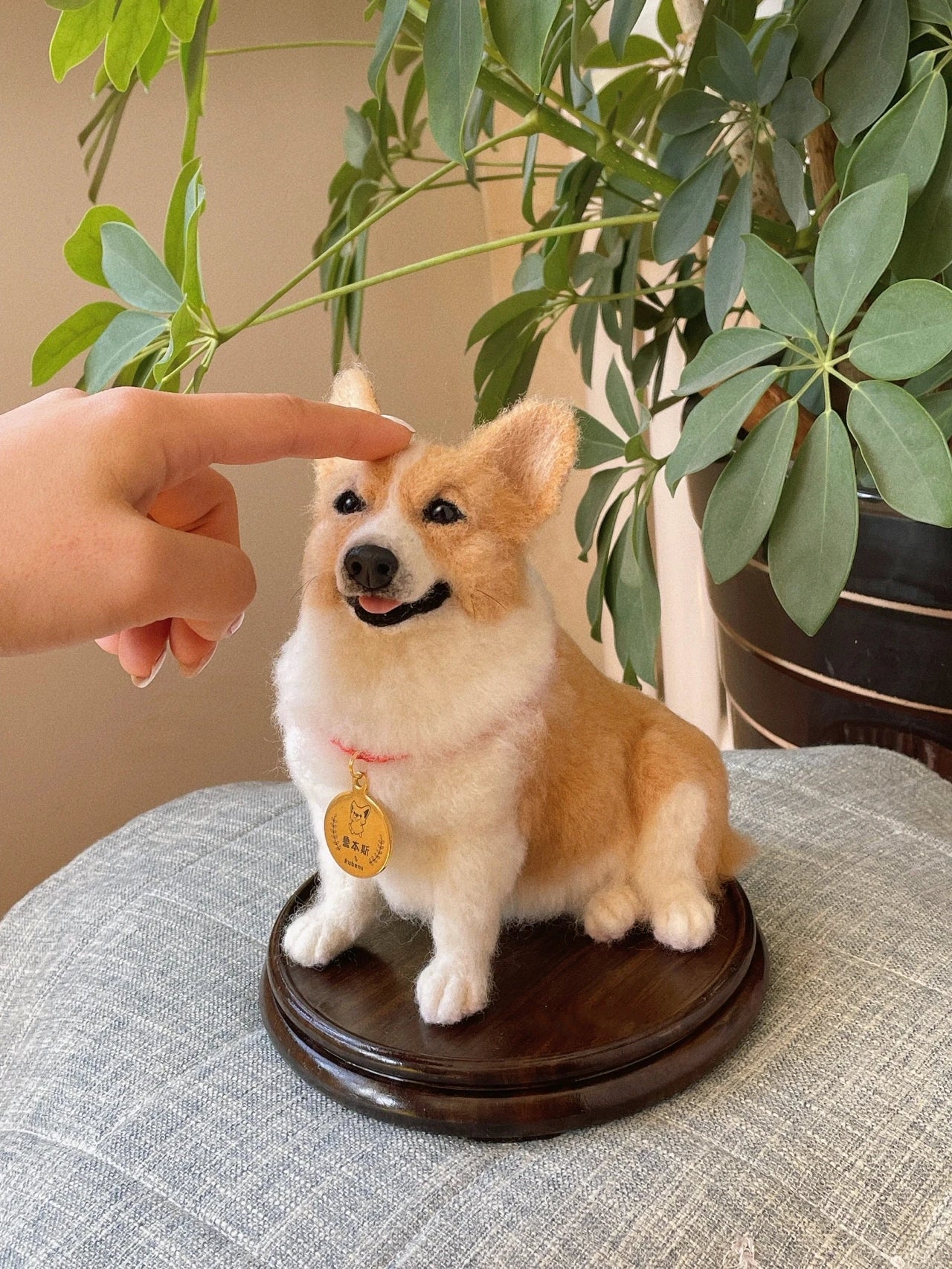
For the dog with a signature pose: 3D Custom Stuffed Animals from Picture — Full Body Pet Portrait
Best for: dogs whose love shows through posture: the head tilt, the classic sit, the proud little stance, or the full-body wiggle.
- Official price: $499.99
- Craft: 100% handmade needle-felted full-body portrait
- Reference: crafted from your pet photos
- Use case: memorial keepsake or high-impact gift
- Sizes: 6–8, 8–10, 10–12, 12–14, and 14–16 inch options

For the morning routine dog: 3D Custom Pet Portraits on Mugs
Best for: owners who associate their dog with a daily ritual: morning coffee, work-desk companionship, or a quiet remembrance moment.
- Official price: $179.99
- Capacity: 400 ml
- Height: 9 cm
- Material: high-quality baked clay portrait on a mug
- Options: standard portrait, full-body upgrade, additional pet upgrade, multiple mug colors
How to Turn Your Dog’s Love Language Into a Better Custom Portrait
The best dog portrait does not just copy fur color. It captures the way your dog loves you. Before ordering, think about which “I love you” behavior you want to preserve.
| Your dog’s love sign | Best photo to upload | Notes to include for the artist | Best product format |
|---|---|---|---|
| Soft eye contact | Front-facing portrait in natural light. | Mention eye color, markings around the eyes, and the expression you love. | Glass portrait, framed portrait, mug. |
| Full-body wiggle or happy sit | Clear full-body photo at the dog’s eye level. | Describe the posture: proud sit, head tilt, paws crossed, curled tail. | Full-body wool felt portrait. |
| Always by your side | Sharp face photo with clean lighting. | Ask for the expression you want to wear daily, not the funniest photo only. | Embroidered sweatshirt or hoodie. |
| Favorite toy or play bow | Photo with toy visible, plus a close face reference. | Include toy color and whether it should appear in the final piece. | Framed wool felt or full-body portrait. |
| Memorial or remembrance | Choose the photo that feels most like their personality, not necessarily the sharpest one. | Add name, dates, collar details, or a small memory if the listing allows notes. | Framed wool felt, glass portrait, mug. |
PetDecorArt internal pages worth linking from this article
- Custom Pet Portraits Collection — good category link for readers who want to compare formats.
- Pet Picture Gifts — useful for gift shoppers who want smaller or different personalized formats.
- How to Order a Custom Pet Portrait — natural support link for photo and ordering guidance.
- Dog Mom Gift Custom Portrait — strong related article for dog gift search intent.
- Personalized Dog Portrait Guide — relevant follow-up for readers ready to choose a portrait style.
Research and Product Sources Checked
These links are included as plain source links for readers. External links use nofollow. PetDecorArt product and collection links are internal links.
| Source | Why it was used | Link |
|---|---|---|
| VCA Animal Hospitals | General signs that a dog is bonded to an owner, including happy greetings, gifts, sleeping near owners, soft eyes, and following behavior. | Does My Dog Love Me? |
| American Kennel Club | Dog body language context, especially tail wagging, posture, facial signals, eye contact, stress signals, and play bow interpretation. | How to Read Dog Body Language |
| American Kennel Club | Practical owner-side care advice: accepting the individual dog, enrichment, calm routines, and not overdoing emotional departures. | How to Show Your Dog You Love Them |
| Science | Dog-owner gaze and oxytocin research behind the idea that soft mutual gaze can be part of bonding. | Oxytocin-gaze positive loop |
| Merck Veterinary Manual | Separation distress context so readers do not confuse panic with love. | Behavior Problems of Dogs |
| PetDecorArt | Product pricing, images, options, sizing, materials, and customization details. | Pet Portraits Collection |
FAQ: How Dogs Say “I Love You”
Do dogs really love their owners?
Yes, dogs can form strong emotional bonds with people. They show that bond through relaxed proximity, social contact, play, greeting behavior, soft eye contact, routine-seeking, and trust-based rest. The exact signs vary by dog.
Is my dog staring at me because they love me?
Soft eye contact can be a bonding sign, especially when the dog’s face and body are relaxed. A hard, fixed stare with stiffness is different and can signal tension. Look at the whole body before deciding what the gaze means.
Why does my dog follow me everywhere?
Some dogs follow because they enjoy being close to their person. That is often affectionate when the dog can still relax. If your dog panics when separated, follows you with visible distress, or cannot settle alone, it may be anxiety rather than simple love.
Do dogs like hugs?
Some dogs enjoy gentle close contact, but many do not like being restrained. A better approach is choice-based touch: pet your dog briefly, stop, and see whether they move closer or move away.
Why does my dog bring me toys?
Bringing a toy can be an invitation to play, a way to share something valuable, or a request for interaction. It is usually a good sign if the dog is loose, bouncy, and relaxed. If the dog stiffens or guards the toy, handle it more carefully.
Does sleeping near me mean my dog trusts me?
Often, yes. Resting or sleeping near you can mean your dog feels safe in your space. It is especially meaningful when your dog is relaxed, breathing slowly, and able to sleep deeply.
What is the clearest sign a dog loves you?
The clearest sign is not one behavior. It is a pattern: your dog chooses to be near you, relaxes around you, responds to your voice, seeks safe interaction, and can settle comfortably in your presence.
How can I show my dog I love them back?
Give them predictable care, respectful touch, training without intimidation, daily sniffing or enrichment, safe play, and calm companionship. The best love language for most dogs is safety plus routine.
Final Takeaway: Your Dog’s Love Is Usually Quiet, Repeated, and Easy to Miss
Your dog may not understand “I love you” the way a person does, but they understand safety, trust, shared routines, and your familiar presence. If they choose you when they are calm, bring you into their play, rest near you, and look at you with soft eyes, they are already saying it in their own language.


