
Dog Care Guide
Last updated: April 27, 2026
Being a responsible dog owner is not about buying every product, following every trend, or making your dog’s life look perfect online. It is about doing the ordinary things consistently: feeding measured meals, booking preventive care, training with patience, keeping your home safe, planning for emergencies, and showing up for your dog through every life stage.
This guide turns responsible dog ownership into a practical system you can actually follow. Use it as a new-dog checklist, a monthly reset, or a reminder of the care habits that matter most.
Quick Answer: What Makes Someone a Responsible Dog Owner?
A responsible dog owner gives a dog safe daily care, preventive veterinary support, patient training, identification, exercise, enrichment, and a long-term plan. The best owners are not perfect. They are consistent, observant, and willing to adjust when their dog’s age, health, behavior, or environment changes.
- They measure food instead of guessing.
- They keep vaccines, parasite prevention, and dental care on a real schedule.
- They train with positive reinforcement and manage the dog safely in public.
- They update ID tags and microchip contact details.
- They dog-proof the home and know common poisoning risks.
- They prepare for travel, emergencies, heat, senior care, and unexpected vet bills.
- They protect the bond by giving the dog structure, calm leadership, and daily attention.
Responsible Dog Owner Care Rhythm
The easiest way to become a better dog owner is to stop treating care as random tasks. Build a rhythm. Put the basics on a repeatable schedule, then adjust with your veterinarian based on your dog’s age, breed, health history, location, and lifestyle.
| Frequency | What to Do | Why It Matters | Practical Owner Standard | Helpful Source |
|---|---|---|---|---|
| Daily | Fresh water, measured meals, potty breaks, exercise, observation | Small changes in appetite, stool, energy, or behavior are easier to catch early. | Keep feeding and walks predictable. Write down anything that suddenly changes. | Use PetDecorArt’s Calorie & Portion Calculator for portion planning. |
| Daily or several times weekly | Tooth brushing and mouth check | Dental disease can cause pain, bad breath, loose teeth, and more serious health problems. | Use pet toothpaste only. Start with short, calm sessions and build up. | AAHA dental care |
| Monthly | Heartworm, flea, and tick prevention reminder | Missed or late doses can leave dogs unprotected, and home infestations can be difficult to control. | Use a recurring calendar reminder. Refill before you run out. | American Heartworm Society |
| Monthly | Weight log and body check | Weight gain often happens slowly, especially after spay/neuter, lower activity, or seasonal routine changes. | Weigh on the same day each month and review treats, table scraps, and activity. | PetDecorArt calorie tool |
| Seasonally | Review weather, travel, boarding, grooming, and parasite risk | Risk changes when dogs travel, board, hike, swim, visit dog parks, or enter tick-heavy areas. | Ask your vet before boarding or travel. Update non-core vaccine discussions early. | Dog Vaccinations Guide |
| Annually | Wellness exam, vaccine review, parasite risk review, dental review | Your dog’s baseline changes with age. Annual visits help compare weight, teeth, joints, skin, and behavior. | Bring a short list: food, treats, meds, supplements, activity, behavior changes, and travel plans. | UC Davis vaccination guidelines |
The table is for planning only. Your veterinarian should set the final schedule for your dog.
30-Second Responsible Owner Self-Audit
Before reading the full list, do a quick check. If you answer “not sure” to any item, that is a good place to start this week.
| Question | Good Sign | Needs Attention | Next Step |
|---|---|---|---|
| Do I know my dog’s current weight and daily food amount? | You measure meals and track treat calories. | You scoop by habit or refill the bowl when it looks empty. | Use a measuring cup or kitchen scale for one week. |
| Is my dog’s ID current? | Tag, microchip contact, and emergency contact are up to date. | You moved, changed numbers, or are unsure which registry holds the microchip. | Update the registry and add a backup contact. |
| Could someone else care for my dog tomorrow? | Feeding, medication, routine, triggers, vet contact, and emergency plan are written down. | Everything lives in your head. | Create a one-page care handoff note. |
| Do I know the common hazards in my kitchen and bathroom? | Medications, xylitol products, chocolate, grapes, trash, and cleaners are secured. | Food, gum, bags, or pills are left on counters or low tables. | Move high-risk items into closed cabinets today. |
| Does my dog get mental work, not just physical exercise? | You use sniff walks, training games, food puzzles, or calm enrichment. | Walks are rushed or only used for bathroom breaks. | Add one five-minute enrichment session daily. |
Ways 1–7: Health, Food, and Preventive Care
1) Commit to the dog’s whole life, not just the cute stage
Responsible dog ownership starts before the dog comes home. Puppies become adolescents. Adults become seniors. Healthy dogs can develop medical needs. Easy dogs can become anxious after a move, a new baby, a schedule change, or a painful injury.
Before adopting or buying a dog, ask yourself the plain questions: Can I afford routine care? Can I handle emergencies? Who walks the dog when work gets busy? What happens during travel? If those answers are fuzzy, fix the plan before bringing the dog home.
2) Choose the right dog for your real life
A responsible owner does not choose only by looks. Breed tendencies, size, grooming needs, energy level, noise sensitivity, prey drive, and training requirements all matter. A dog can be wonderful and still be a poor fit for a specific household.
If you rent, check pet rules. If you have children, consider temperament and management. If you work long hours, plan exercise and care coverage. If you want a hiking dog, consider heat tolerance, joint health, and training needs.
3) Build a relationship with one primary veterinarian
Emergency clinics are important, but a primary vet who knows your dog’s baseline is priceless. They can compare weight, teeth, skin, gait, bloodwork, vaccine history, and behavior over time. That context helps when something changes.
Bring the same core information to each visit: food brand, daily amount, treat habits, medications, supplements, preventives, activity level, travel plans, and any changes at home.
4) Keep vaccines current, but make the plan fit your dog
Core vaccines are broadly recommended, while non-core vaccines depend on exposure risk. Dog parks, boarding, grooming, hiking, wildlife exposure, travel, and local disease patterns can change what your veterinarian recommends.
Do not copy another owner’s schedule. Review the plan at wellness visits and before boarding or travel. For deeper reading, see PetDecorArt’s dog vaccination guide.
5) Treat parasite prevention as routine care, not optional cleanup
Heartworm, fleas, and ticks are easier to prevent than to treat after a problem starts. A missed dose, late refill, or “we only do it in summer” habit can create unnecessary risk, especially when dogs travel or live in areas with changing mosquito and tick seasons.
Ask your veterinarian which product fits your dog’s weight, age, health history, and local risk. Then put the dose date on your calendar.
6) Measure meals and manage treats honestly
Most overfeeding does not look dramatic. It looks like a heaping scoop, a few extra training treats, a bite from the table, and a little less walking during a busy week. Over months, that can turn into weight gain.
Use the food label as a starting point, then adjust with your veterinarian. PetDecorArt’s Calorie & Portion Calculator can help you estimate daily calories, split meals, and build a 7-day feeding plan.
7) Treat weight as a health signal, not a beauty standard
A responsible owner notices changes early. Weight gain can make joint pain worse, reduce stamina, and make hot weather harder. Weight loss can also be a warning sign, especially if appetite, thirst, stool, or energy changes too.
Log your dog’s weight once a month. If you cannot weigh a large dog at home, ask your vet clinic whether you can stop by for a quick scale check.
Vaccine, Dental, and Parasite Planning Table
This table is a planning guide, not a prescription. Your dog’s veterinarian should make final recommendations based on medical history, product labels, local law, and exposure risk.
| Care Area | What Responsible Owners Track | Common Mistake | Better Habit | Source |
|---|---|---|---|---|
| Puppy vaccines | Core puppy series, booster timing, rabies timing, and vet visit schedule. | Booking one vaccine visit at a time and forgetting the next one. | Schedule the full puppy series in advance and store vaccine records in one folder. | UC Davis |
| Adult vaccine review | Core vaccines, lifestyle-based non-core vaccines, boarding requirements, and travel plans. | Assuming the plan never changes after puppyhood. | Review at annual wellness visits and before boarding, daycare, or travel. | PetDecorArt vaccine guide |
| Heartworm prevention | Dose date, refill date, annual test, and weight-based dosage changes. | Skipping winter or giving monthly preventives late. | Use a calendar reminder and refill before the last dose is used. | American Heartworm Society |
| Flea prevention | All pets in the home, product schedule, and signs of infestation. | Treating only after fleas are visible. | Discuss year-round control with your veterinarian, especially in multi-pet homes. | CAPC fleas |
| Tick prevention | Tick exposure, hiking routes, yard risk, travel, and product schedule. | Waiting until tick season is obvious. | Ask about year-round tick control and check your dog after outdoor time. | CAPC ticks |
| Dental care | Brushing routine, breath changes, gum color, chewing discomfort, and professional exam timing. | Waiting until bad breath is severe. | Build a brushing habit and ask your vet when a professional dental exam is needed. | AAHA dental care |
Ways 8–14: Training, Safety, and Everyday Manners
8) Brush teeth before there is an obvious problem
Bad breath is not just a normal dog smell. It can be a sign of dental disease. Start slowly: touch the lips, reward calm behavior, introduce pet toothpaste, then build toward brushing. Even a few consistent sessions per week are better than doing nothing.
9) Give your dog movement and mental work every day
A walk is not only exercise. It is information, sniffing, decompression, and relationship time. Many behavior problems become worse when a dog has no outlet for energy or curiosity.
Mix physical exercise with mental enrichment: sniff walks, food puzzles, training games, hide-and-seek treats, calm chewing, and short skill refreshers.
10) Socialize safely instead of overwhelming your dog
Socialization is not forcing a puppy into chaos. It is careful exposure to normal life: surfaces, sounds, people, handling, car rides, vet-style touch, and calm dogs. Keep sessions short and positive. If your dog is scared, create distance and lower the difficulty.
11) Use positive reinforcement and clear household rules
Responsible training is not about intimidating a dog. It is about teaching what to do instead. Reward the behaviors you want: settling, coming when called, walking politely, waiting at doors, and greeting calmly.
Make rules consistent. If jumping is not allowed on guests, do not reward it on family members. If begging is not allowed at dinner, no one should sneak food under the table.
12) Keep ID tags, microchip details, and license records current
A microchip is only useful if the contact information is correct. Update it after a move, phone number change, ownership change, or emergency contact change. A visible ID tag is still important because a neighbor can call you faster than a shelter can scan a chip.
13) Practice leash manners and clean up every time
Loose-leash walking is a safety skill. A dog that lunges, rushes people, or drags the handler into traffic creates risk. Practice calm walking in low-distraction areas before expecting good behavior in busy places.
Cleaning up waste is not optional. It protects shared spaces, neighbors, waterways, and the reputation of dog owners in your community.
14) Dog-proof your home like you mean it
Many emergencies start with normal household items: gum, chocolate, grapes, medications, trash, cleaners, batteries, socks, cooked bones, or raw dough left within reach. Do not rely on “my dog never gets into things.” Dogs can change habits quickly when bored, hungry, anxious, or curious.
Use PetDecorArt’s Pet Toxicity Lookup for quick safety checks, but contact a veterinarian or poison control service right away if your dog may have eaten something dangerous.
Household Hazard Table for Dog Owners
Keep this table where the whole family can see it. Children, guests, pet sitters, and grandparents should know the house rules too.
| Common Item | Why It Matters | Responsible Owner Move | Backup Tool | Source |
|---|---|---|---|---|
| Xylitol products | Found in some sugar-free gum, candy, cough syrup, mouthwash, toothpaste, and other products. | Read labels before sharing any human snack. Store bags and purses out of reach. | Pet Toxicity Lookup | FDA |
| Chocolate and caffeine | Can cause serious toxicity symptoms depending on type, amount, and dog size. | Keep candy bowls, baking chocolate, coffee grounds, and energy drinks away from dogs. | Save your vet and emergency clinic number in your phone. | FDA |
| Grapes and raisins | Can be dangerous and should not be offered to dogs. | Teach everyone at home: no table food without asking the owner first. | Use closed pantry storage, not low baskets. | FDA |
| Human medications | One dropped pill can be a serious problem, especially for small dogs. | Store medications in closed cabinets. Do not leave pills in bags, nightstands, or countertops. | Do a floor check after taking medication. | FDA |
| Raw bread dough and alcohol | Fermentation and alcohol exposure can turn into an emergency quickly. | Keep baking projects and party drinks away from dogs. Secure trash and compost. | Put guests’ bags and cups in a dog-free area. | FDA |
| Hot pavement | Paw pads can be injured in hot weather, especially during midday walks. | Walk early or late, choose shade, carry water, and shorten walks in heat. | Read the 7-second rule guide | PetDecorArt |
PetDecorArt Tools and Product Picks for Responsible Dog Owners
Responsible ownership is built on habits, not objects. Still, the right tools can make those habits easier. PetDecorArt has practical care tools for planning, plus personalized keepsakes that help dog parents celebrate milestones, memorialize a beloved pet, or turn a training achievement into something meaningful.
| Need | Best PetDecorArt Resource | How to Use It |
|---|---|---|
| Life-stage planning | Dog Age Calculator | Use it when planning senior check-ins, birthday content, or age-based care conversations. |
| Feeding consistency | Calorie & Portion Calculator | Estimate daily calories, split meals, and export a 7-day feeding plan. |
| Household safety | Pet Toxicity Lookup | Check foods, plants, medicines, and household items before sharing or leaving them within reach. |
| Summer walking safety | 7-Second Rule for Dogs | Use it as a warm-weather reminder before pavement walks. |
| Separation routines | Do Dogs Miss Their Owners? | Helpful for owners building calmer departure and home-alone routines. |
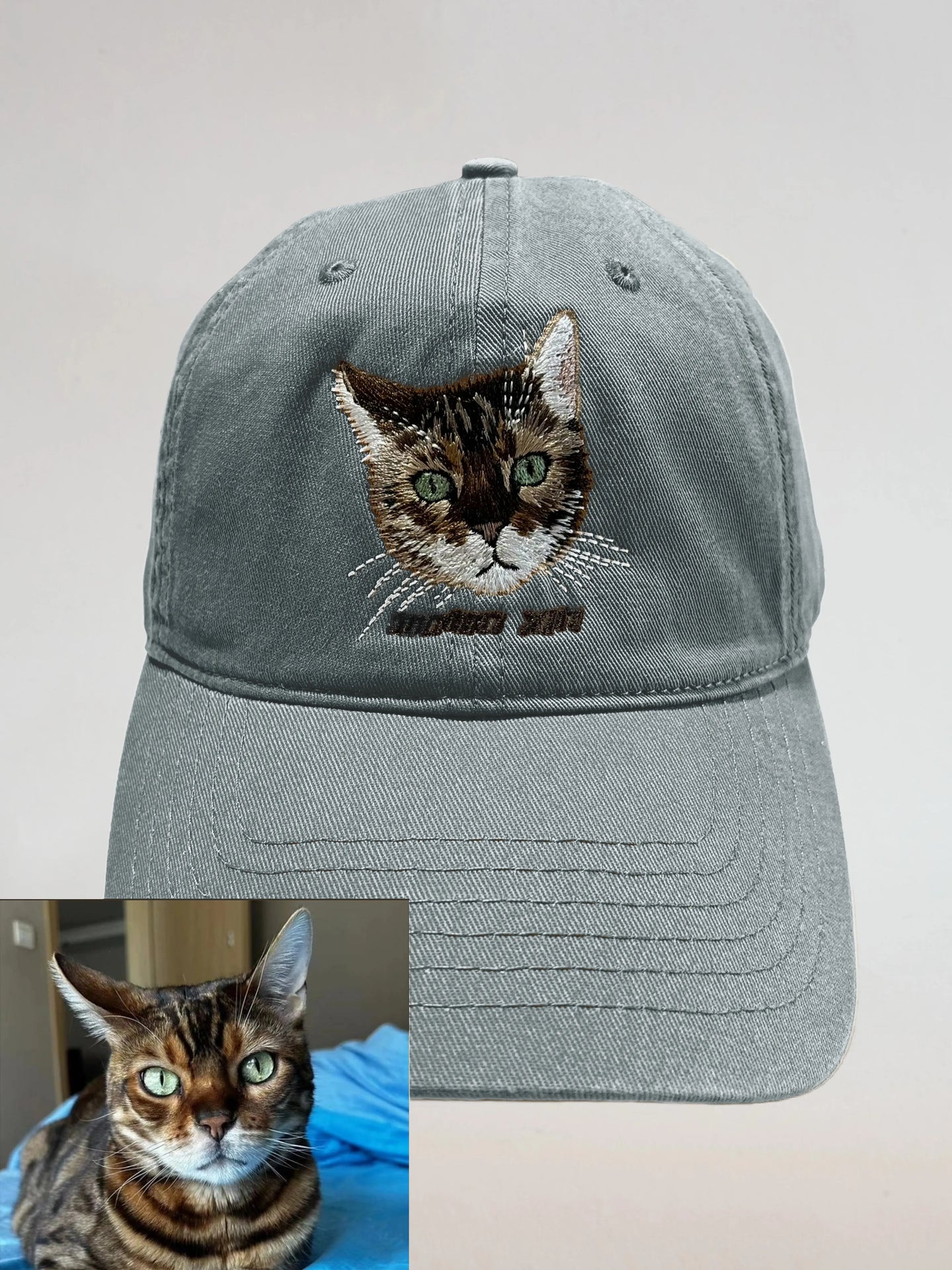
Custom Pet Portrait Hand Embroidered Cap
A good everyday keepsake for adoption anniversaries, training milestones, rescue celebrations, or a thoughtful gift for a dog parent. The current product page lists a $39.98 price, 100% pure cotton, hand-embroidered pet portrait from photo, an adjustable fit, and an embroidered portrait size of approximately 2" × 2".

Custom Pet Portrait Hoodie
This is a better fit when the owner wants a warm, wearable keepsake rather than a small accessory. The current product page lists a $69.98 price, custom embroidered pet portrait, premium 320g cotton-blend fleece, unisex comfort fit, and sizes from S to 5XL.
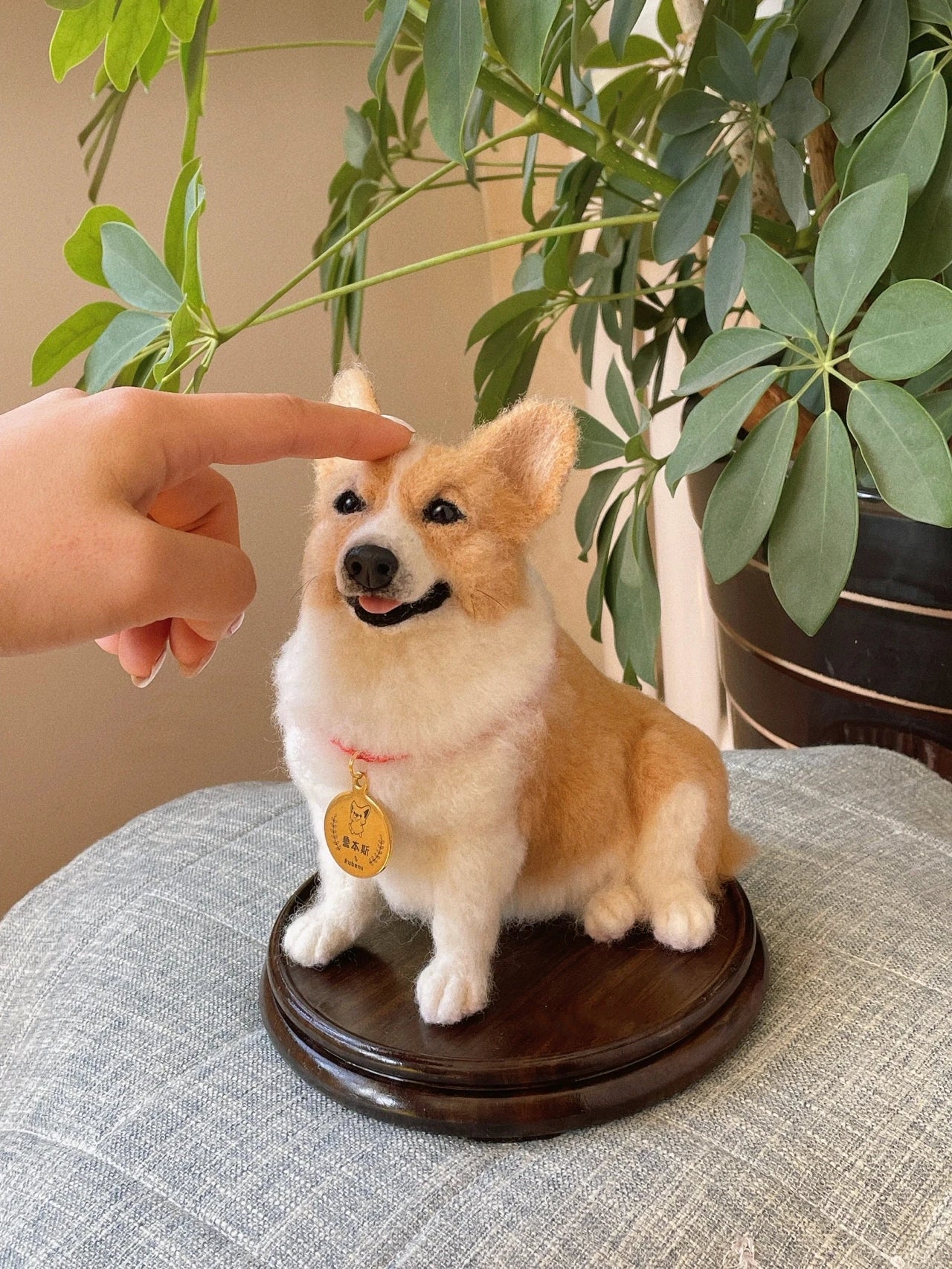
3D Custom Stuffed Animals From Picture
Choose this for a deeper memorial piece or a highly personal gift. The current product page lists a $499.99 price, 100% handmade needle-felted craftsmanship, full-body 3D realism, photo-based creation, unlimited revisions, and sizes from 6–8 inches to 14–16 inches. The page also notes that custom orders take about 2–4 weeks on average, depending on complexity and queue.
Ways 15–21: Emergency Prep, Budget, and Long-Term Care
15) Learn heat, cold, and weather safety before the season changes
Responsible owners do not wait until the dog is limping on hot pavement or shivering on a winter walk. Build seasonal routines early: shorter summer walks, shaded routes, water breaks, paw checks, reflective gear, and indoor enrichment for unsafe weather days.
16) Keep a pet emergency go-bag ready
If you wait until an evacuation, storm, wildfire warning, flood, or family emergency, you will forget something. Keep a grab-and-go kit with food, water, medication, records, leash, harness, waste bags, and comfort items.
17) Write a care handoff plan
A responsible owner can explain the dog’s routine in one page. Include feeding amounts, medication timing, walking schedule, bathroom habits, commands, triggers, allergies, vet contact, emergency clinic, and what to do if the dog refuses food or has diarrhea.
This matters for travel, illness, work trips, hospital visits, and emergencies. It also reduces stress for dog sitters and family members.
18) Budget for routine care and surprise care
Food is only one part of dog ownership. Build a realistic budget for exams, vaccines, preventives, grooming, dental care, training, boarding, medications, and unexpected illness or injury.
Whether you use pet insurance, a savings account, or a separate emergency fund, the goal is the same: avoid making medical decisions in a panic with no plan.
19) Notice behavior changes early
Dogs often show discomfort through behavior before obvious symptoms appear. Watch for hiding, clinginess, irritability, pacing, sleeping more, refusing stairs, avoiding touch, appetite changes, new accidents, or not wanting to jump into the car.
Do not dismiss sudden behavior changes as “being stubborn.” Pain, anxiety, illness, hearing loss, vision changes, or environmental stress can all change behavior.
20) Plan for senior years with compassion
Senior care is not only about age. It is about comfort, mobility, pain monitoring, dental health, weight, sleep, bathroom access, and quality of life. Add rugs on slippery floors, use ramps when needed, keep nails trimmed, and ask your vet about pain signs that owners often miss.
Use PetDecorArt’s Dog Age Calculator as a simple life-stage planning tool, then let your veterinarian guide real medical decisions.
21) Protect the bond with structure, patience, and daily attention
Dogs do best when life feels understandable. Consistent routines, fair rules, calm handling, and daily interaction build trust. Responsible owners do not only prevent problems. They create a home where the dog knows what to expect.
That bond is built through small repeats: the morning walk, the measured meal, the patient training session, the quiet check-in, the safe ride home from the vet, and the choice to keep showing up.
Dog Emergency Go-Bag Table
Store the kit in one easy-to-grab tote. Check it every three months and replace expired food, medication, and documents.
| Category | What to Pack | How Much | Owner Tip | Source |
|---|---|---|---|---|
| Food and water | Dog food, bottled water, bowls, manual can opener if needed | Several days minimum; CDC recommends planning a larger emergency supply when possible. | Store food in waterproof containers and rotate before it expires. | CDC pet disaster kit |
| Medication and prevention | Medications, preventives, dosing notes, prescription photos | Several days minimum; more if your dog depends on daily medication. | Keep a phone photo of each label and dosage instruction. | CDC pet disaster kit |
| Documents | Vet records, rabies certificate, vaccine records, microchip info, recent photos | One printed copy plus digital backup | Put emergency contacts and your vet’s number on the first page. | CDC pet disaster kit |
| Containment | Leash, harness, collar with ID, carrier or crate, backup slip lead | One ready-to-use set | Practice loading into the carrier before an emergency. | CDC pet disaster kit |
| Sanitation | Poop bags, paper towels, wipes, disinfectant, sealable bags | Small travel bundle | Pack more waste bags than you think you need. | CDC pet disaster kit |
| Comfort | Blanket, favorite toy, treats, chew item | One comfort set | Familiar smells can help a dog settle during travel or displacement. | CDC pet disaster kit |
Final 5-Minute Responsible Owner Checklist
Use this once a week. It is simple on purpose.
This Week
- Check fresh water bowls and clean them.
- Measure meals instead of guessing.
- Brush teeth at least a few times.
- Do one short training refresh each day.
- Scan counters, bags, trash, and nightstands for hazards.
- Take one walk focused on sniffing, not speed.
This Month
- Weigh your dog and log it.
- Confirm prevention doses and refill dates.
- Check ID tag, microchip, and license information.
- Review the emergency go-bag.
- Update your care handoff note.
- Book a vet visit if one is due soon.
Responsible dog ownership is mostly consistency. You do not need a perfect system. You need one you can repeat.
Make Responsible Dog Care Easier
Use PetDecorArt’s planning tools for daily care, then choose a personalized keepsake when you want to celebrate a milestone, adoption anniversary, or the bond you share with your dog.


