
If your couch looks like it grew its own dog, you are not alone. Shedding is normal. What frustrates most owners is not the fur itself, but the feeling that nothing they try makes a real dent. The good news: you usually cannot stop shedding entirely, but you can reduce how much loose hair ends up on your floor, clothes, and bedding by changing how you groom, bathe, feed, and monitor your dog.
The truth about dog shedding
Here is the shift that makes this topic easier: the goal is usually not to stop shedding. The goal is to make loose hair come out during care time instead of all day long on your furniture, rugs, and clothes.
That means the best shedding plan is not a miracle shampoo or a single deshedding tool. It is a repeatable system:
- remove loose coat before it falls on its own,
- keep skin healthy so hair is less brittle and dry,
- avoid routines that strip natural oils, and
- spot the difference between normal shedding and real hair loss.
| What you see | Usually normal shedding | Usually a warning sign | Helpful source |
|---|---|---|---|
| More hair in spring or fall | Yes, especially in double-coated dogs during seasonal coat changes | Only if it comes with skin changes, bald spots, or illness signs | AAHA |
| Loose hair all over the home, but no bare patches | Common | Less concerning if skin looks normal and dog feels well | Animal Humane Society |
| Bald spots, patchy thinning, or clumps of hair | No | Could point to parasites, allergies, infection, friction, or other disease | Merck Veterinary Manual |
| Coat looks dull, dry, or brittle | Not ideal | Often linked with nutrition, skin disease, or over-bathing | VCA |
| Heavy shedding plus itching, redness, odor, or parasites | No | Needs medical follow-up rather than more brushing alone | PetMD |
Why your dog may be shedding more than usual
Most owners already know breed matters. But breed is only part of the picture. In real life, shedding usually rises for five different reasons:
| Common cause | What it looks like at home | What to do first |
|---|---|---|
| Coat type | Labs, Huskies, Shepherds, Corgis, and other double-coated dogs can seem endless | Match the tool and schedule to the coat instead of copying what worked for another dog |
| Seasonal coat change | A sudden “coat explosion” in spring or fall | Increase brushing frequency during the heavy window rather than year-round over-grooming |
| Dry skin or stripped oils | Flakes, dull coat, static, brittle hair, extra tumbleweeds indoors | Review bathing frequency, shampoo choice, hydration, and indoor dryness |
| Poor skin-and-coat support | Coat looks flat, rough, or washed out instead of healthy and resilient | Talk with your vet about food quality, protein, fat, and whether supplements are appropriate |
| Medical triggers | Itching, odor, redness, bald patches, greasy skin, parasites, big behavior change | Stop guessing and book a vet visit |
One detail many articles skip: some owners think they have a “shedding problem,” when what they actually have is a brush-timing problem. If you only brush after hair is already everywhere, you are always behind. The fix is not necessarily more brushing. It is better-timed brushing.
If you want a broader at-home coat-care routine, PetDecorArt’s dog grooming guide pairs well with this article because it covers the bigger picture beyond shedding alone.
What actually works to reduce shedding
1) Brush smarter, not just more often
For most dogs, brushing is still the single best way to reduce what lands in the house. But the right schedule depends on the coat. A slicker brush on the wrong coat can annoy the skin. A rubber brush on a dense undercoat may barely touch the problem.
| Coat type | Best starting tool | Practical schedule | Common mistake |
|---|---|---|---|
| Short, smooth coat | Rubber curry brush or grooming glove | 2-3 times a week; daily during heavy shed weeks | Using a harsh metal tool and irritating the skin |
| Double coat | Undercoat rake plus finishing brush | 3-5 times a week during coat blow; weekly or twice weekly otherwise | Only skimming the topcoat and missing the packed undercoat |
| Long silky coat | Pin brush and metal comb | Every other day or as needed to prevent tangles | Stopping when the top layer looks neat while mats hide underneath |
| Curly or low-shed coat | Slicker brush and comb | Several times a week; more if the coat mats easily | Assuming “low shed” means “no grooming needed” |
2) Bathe correctly, but do not overdo it
Bathing can help loosen dead hair, but more is not always better. AKC notes that regular brushing helps keep shedding under control, while too-frequent washing can dry the coat by stripping natural oils. That is why the goal is a sensible bath schedule, not endless shampooing.
| If your dog... | A good starting bath rhythm | What matters most | Helpful source |
|---|---|---|---|
| Gets dirty often or has an active outdoor life | Usually every 4-6 weeks, adjusted to coat and skin condition | Use a dog-specific shampoo and rinse thoroughly | AKC grooming guide |
| Has a dry, dull, flaky coat | Do not jump straight to more baths | Review skin health, food quality, and product choice first | VCA coat & skin |
| Blows coat seasonally | One well-timed bath plus a thorough dry-and-brush session often helps more than multiple baths | Think “release loose coat,” not “wash until it stops” | AKC shedding guide |
3) Feed for skin and coat, not just calories
A rough, brittle, or excessively shedding coat can reflect skin-and-coat nutrition issues. VCA notes that dogs eating inadequate diets may have dull, dry coats and can shed excessively. That does not mean every shedding dog needs a fancy new food. It does mean diet quality matters more than many owners think.
- Make sure your dog is on a complete, balanced food that fits life stage and health status.
- Do not add supplements blindly just because the label says “skin & coat.”
- If the coat has changed noticeably, ask your vet whether the issue looks nutritional, allergic, parasitic, hormonal, or something else.
For owners trying to solve shedding with five new products at once, here is the simpler order of operations: tool first, bath rhythm second, food review third, vet review when the coat looks wrong.
4) Fix the triggers that make shedding look worse
Even normal shedders get messier when the skin is irritated or the coat is neglected. These problems make routine shedding feel extreme:
- fleas or other parasites,
- itch-scratch cycles from allergies,
- packed undercoat that never gets removed,
- mats that hide trapped loose hair,
- dry skin from over-bathing or harsh products,
- stress-related coat dumping in sensitive dogs.
A smarter mid-article product bridge for PetDecorArt
Once you get a dog’s coat under better control, something funny happens: the brushing session starts feeling less like cleanup and more like care. That is also when many owners want to save a favorite photo, a tiny likeness, or even a memorial detail instead of tossing every meaningful reminder in the trash. For that part of the journey, PetDecorArt has a few genuinely relevant options.
If you are specifically interested in what can be done with saved fur, whiskers, or a brush-out keepsake, read Felting With Dog Hair: Is It Possible? What Works Best. If you want to browse the full category, start with Stuffed Animals, Pet Portraits, or Custom Pet Decorations.
| PetDecorArt option | Best for | Current listed price | Standout details from the official page |
|---|---|---|---|
| Mini Stuffed Animal Keychain | A low-commitment keepsake after a grooming milestone or for daily carry | $59.90 | Photo-based custom piece, about 1.5 inches, wool felt, portable bag charm/keychain |
| Stuffed Animal with Wooden Frame | Owners who want a display piece with room for more detail | From $249.99 | Handmade wool felt, head or half-body options, frame sizes 6-16 inches, page notes it can include real whiskers or fur |
| Full-Body Stuffed Animal Portrait | The most lifelike option for preserving posture, coat pattern, and overall look | From $499.99 | 100% handmade, full-body 3D realism, crafted from pet photos, multiple size options |
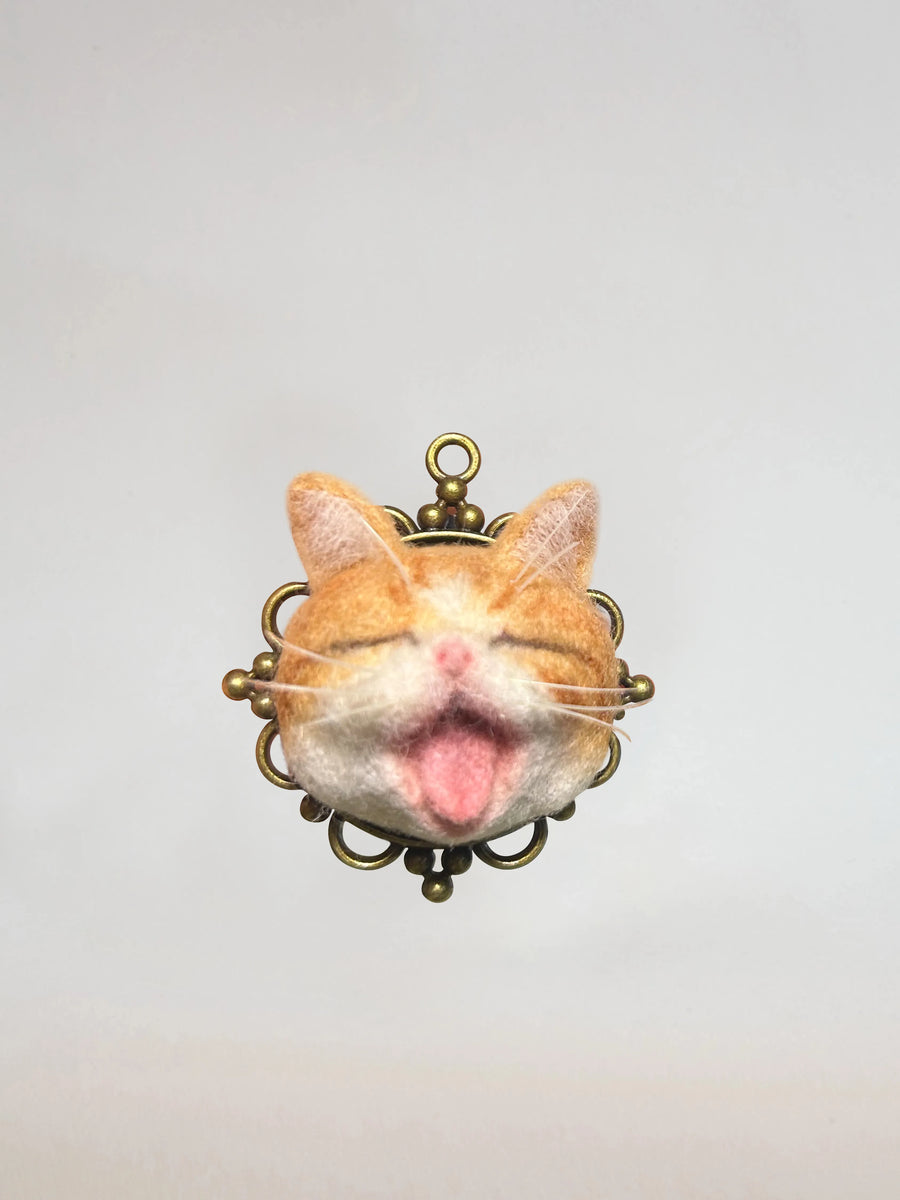
Budget pick: Custom Mini Stuffed Animal Pet Keychain & Bag Charm
Listed at $59.90Approx. 1.5 inchesMade from pet photos
This is the easiest bridge between “I groom my dog constantly” and “I want something small that still feels personal.” It works well if you want a simple reminder of your dog without committing to a larger display piece.
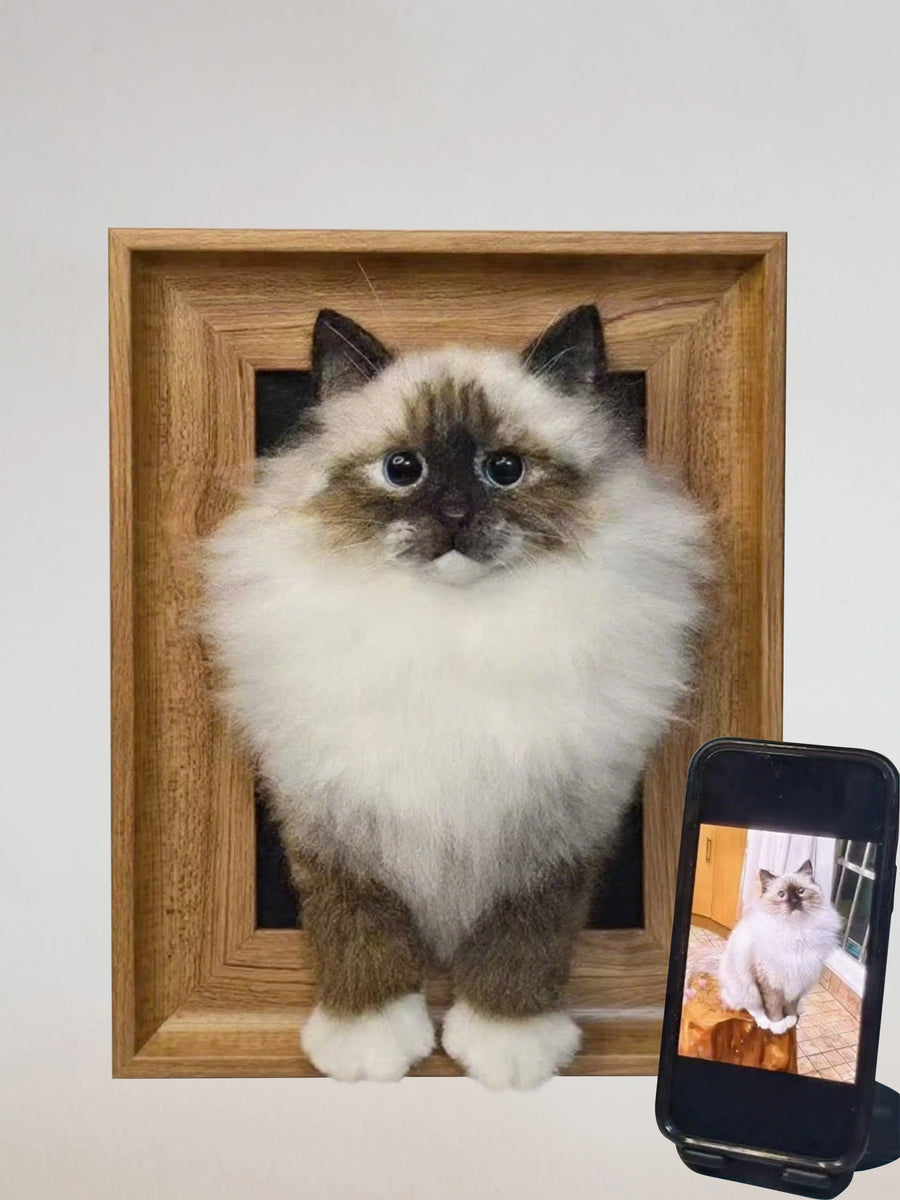
Best display option: Custom Stuffed Animal Clone with Wooden Frame
From $249.99Head or half-bodyFrame sizes 6-16 inches
This is the strongest fit for owners who want a grooming-related keepsake story. The official product page notes that real whiskers or fur can be included, which makes it especially relevant for people who save meaningful details after brushing or grooming sessions.
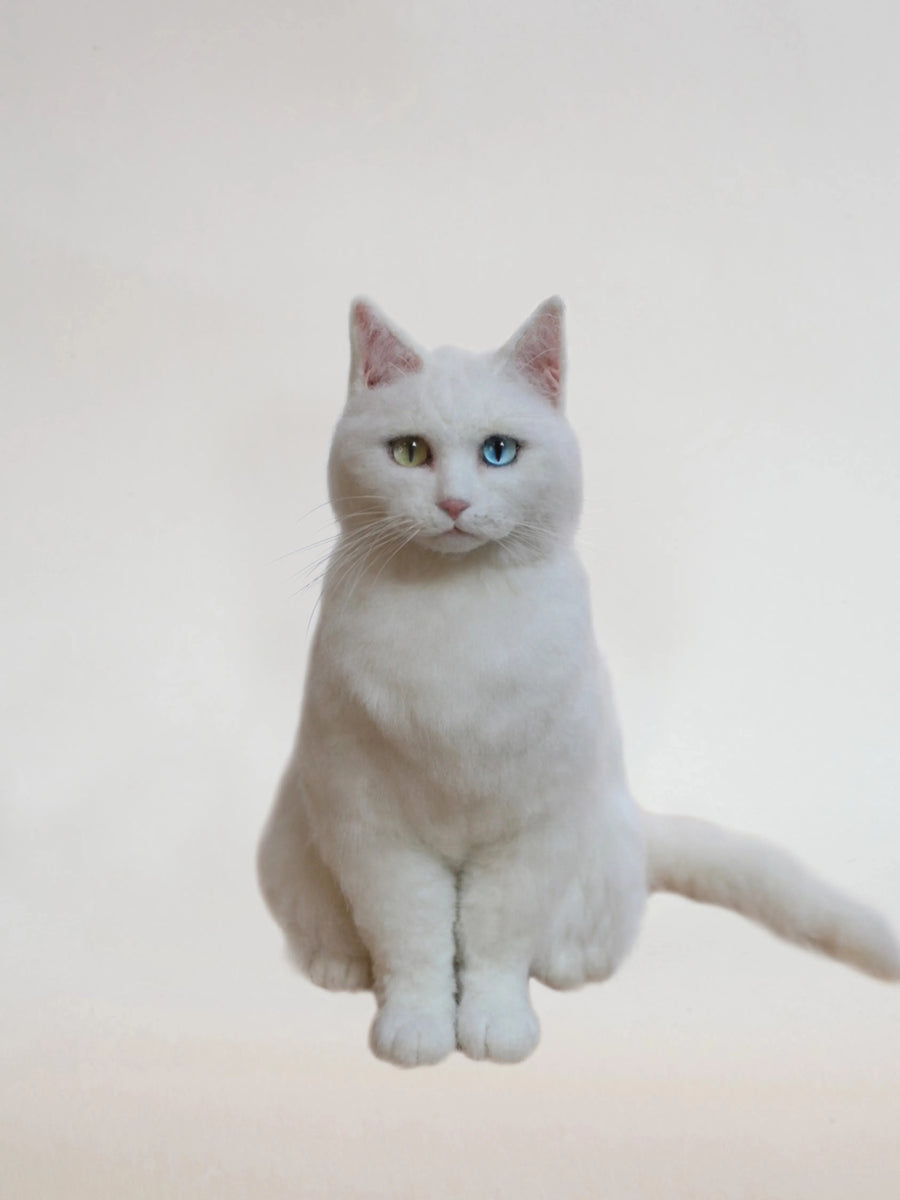
Most lifelike: Full-Body 3D Custom Stuffed Animal Portrait
From $499.99Full-body realismMultiple size options
If your dog’s expression, posture, and coat pattern are what you most want to keep, this is the premium route. It is a natural follow-up for owners who have spent months managing a coat and want to preserve the look they know so well.
What usually does not help
Owners waste the most time on shedding when they chase shortcuts. These are the patterns that usually disappoint:
| Common move | Why it underperforms | What works better |
|---|---|---|
| Brushing harder instead of brushing earlier | You are catching fur after it has already started falling everywhere | Brush before the coat blows out into your home |
| Bathing more and more | Too much washing can dry skin and strip oils | Use a smarter bath rhythm and a better dry-and-brush session |
| Buying a deshedding tool without matching it to the coat | The wrong tool either does very little or irritates the dog | Choose tools by coat type, not by marketing claim |
| Changing food every week | You add confusion without enough time to judge results | Review the current diet thoughtfully with your vet if the coat has changed |
| Treating obvious skin trouble like a grooming issue | Parasites, allergies, infections, and hormonal problems do not brush away | Escalate to a vet when the coat looks medically abnormal |
Another overlooked point: “less hair on the floor” and “less hair coming off the dog” are not always the same thing. A better routine often improves the first one dramatically even when the second only improves a little. That still counts as a win.
When to worry and call your vet
Normal shedding is messy. Problem shedding looks wrong. If you are seeing any of the signs below, it is worth moving past home fixes.
| Red flag | Why it matters | Helpful source |
|---|---|---|
| Bald patches, patchy thinning, or hair loss in clumps | This points away from ordinary seasonal shedding and toward hair loss causes such as parasites, allergies, friction, or disease | Merck Veterinary Manual |
| Red skin, constant itching, parasites, or visible skin irritation | Excessive shedding tied to inflammation or parasites needs diagnosis, not just coat care | PetMD |
| Greasy skin, bad odor, or heavy flaking | These signs can show underlying seborrhea or related skin disorders | VCA |
| Dull, brittle coat that changed noticeably | Coat quality can worsen with poor diet quality or skin disease | VCA coat & skin |
| Heavy shedding plus increased thirst, urination, or weight gain | Those body-wide signs deserve a medical workup | PetMD |
A realistic weekly anti-shed routine
If you want something practical, start here. This plan is simple enough to keep doing, which is why it works better than extreme once-a-month grooming marathons.
| Day | What to do | Time | Why it works |
|---|---|---|---|
| Monday | Quick coat check and short brush pass | 5-10 minutes | Catches loose fur before it spreads through the week |
| Wednesday | Target high-shed zones: neck, back, hips, tail base | 5-10 minutes | Focuses effort where tumbleweeds often start |
| Friday | Check for flakes, redness, odor, fleas, or new itching | 2-3 minutes | Turns grooming into early detection |
| Weekend | Full brush-out; add bath only if truly needed | 15-30 minutes | Removes the week’s loose coat in one controlled window |
| During heavy seasonal shed | Add one extra midweek brush session | 5-15 minutes | Small increases in frequency work better than overdoing one session |
That routine also makes your home easier to manage. Brush outdoors, on a washable mat, or before vacuum day. Use a dedicated towel after baths. Keep a lint roller near the dog bed instead of only near the front door. Small setup choices matter more than people expect.
If the brushing routine becomes emotionally meaningful, not just practical, PetDecorArt’s dog memorial gifts guide and stuffed animal collection are natural next steps for turning a daily care bond into something lasting.
FAQ
Can I stop my dog from shedding completely?
No. In most healthy dogs, shedding is normal. The practical goal is to reduce how much loose hair ends up in your home and to make sure the coat and skin stay healthy.
What is the best brush for dog shedding?
There is no single best brush for every dog. Smooth coats do well with rubber brushes or gloves. Dense double coats usually need an undercoat-focused tool plus a finishing brush. Long coats often need a pin brush and comb.
Does bathing reduce shedding?
Yes, it can help loosen dead hair, but only if the bath is not so frequent that it dries out the skin. A good dry-and-brush session after the bath is where much of the real shedding control happens.
Why does my dog shed more in spring and fall?
Many dogs go through seasonal coat changes, especially double-coated breeds. That is why spring and fall often feel dramatically worse than the rest of the year.
Can food help reduce shedding?
Better coat health can improve shedding when the issue is linked to poor skin-and-coat support. But food is not a magic fix for every dog. If the coat has changed, it is smart to review diet with your vet instead of guessing.
When is dog shedding no longer normal?
If it comes with bald spots, redness, odor, parasites, heavy itching, greasy skin, or other body changes like increased thirst or weight gain, stop treating it as routine shedding and book a vet visit.
Next step: reduce the mess, then keep the memory
Start with a better brushing system, not more frustration. Then, if you want to turn that care routine into something lasting, explore the PetDecorArt collections and guides that fit this exact stage of pet ownership.


