

Dog vaccination advice gets confusing fast because there are two different questions hiding inside one search. First: what shots do most dogs need? Second: what shots does your dog need based on age, boarding plans, dog park exposure, hiking, travel, and where you live? This guide keeps it simple. You will find a clear puppy schedule, an adult booster guide, a lifestyle-based vaccine checklist, a what-to-watch-for section after shots, and a practical plan for dogs with missed or unknown records.
Table of Contents
- The quick answer
- Core vs lifestyle vaccines
- Puppy vaccine schedule
- Adult and senior dog boosters
- Which vaccines matter for boarding, travel, hiking, and city life
- What to bring to the vaccine visit
- What is normal after shots, and when to call the vet
- Missed vaccines or unknown history
- Common vaccine mistakes dog owners make
- Helpful PetDecorArt reads for dog owners
- PetDecorArt product picks
- FAQ
The quick answer
Most dogs need a core vaccine series for distemper, adenovirus, and parvovirus, plus rabies, and newer U.S. guidance also treats leptospirosis as a core vaccine for dogs because exposure can happen in urban, suburban, and rural settings. Puppies usually start around 6 to 8 weeks and continue every 3 to 4 weeks until at least 16 weeks old. Adult dogs with unknown records usually need a catch-up plan instead of a guess. Vaccines like Bordetella, Lyme, and canine influenza depend more on how your dog lives than on age alone.
| Question | Short answer | Source |
|---|---|---|
| When do puppies start shots? | Usually around 6–8 weeks, then every 3–4 weeks until at least 16 weeks old. | UC Davis |
| What vaccines are core? | Distemper, adenovirus, parvovirus, rabies, and leptospirosis in updated AAHA guidance. | AAHA |
| Do all dogs need Bordetella or Lyme? | No. Those depend on lifestyle, exposure risk, and local disease patterns. | AVMA |
| What if records are missing? | Do not assume. Use a catch-up plan with your vet. | AAHA |
Core vs lifestyle vaccines: the simplest way to think about dog vaccinations
The easiest way to stay sane is to stop thinking in terms of a giant shot list and start thinking in terms of two buckets.
Core vaccines
These are the vaccines recommended for essentially all dogs unless there is a specific medical reason not to give them.
- Distemper
- Adenovirus
- Parvovirus
- Rabies
- Leptospirosis
Lifestyle vaccines
These are chosen because of how your dog spends time, not just because of age.
- Bordetella
- Canine influenza
- Lyme disease
- Parainfluenza in some products and situations
- Other region-specific vaccines as advised by your vet
| Vaccine | Usually considered | Why it matters | Real-life trigger | Source |
|---|---|---|---|---|
| DAP / DHPP family | Core | Protects against major contagious diseases like distemper and parvo. | Every puppy, every adult dog with unknown records, routine preventive care. | AAHA |
| Rabies | Core | Public health vaccine and commonly required by law. | Licensing, grooming, boarding, travel, emergency bite incidents. | AVMA |
| Leptospirosis | Core | Can be life-threatening and exposure is not limited to country dogs. | Backyards, puddles, parks, city rodents, wildlife exposure. | AAHA |
| Bordetella | Lifestyle | Often requested where dogs share air space. | Boarding, daycare, groomers, training classes, dog-heavy social settings. | AAHA |
| Canine influenza | Lifestyle | Useful for dogs with repeated group exposure. | Frequent boarding, daycare, competitions, transport, outbreaks in your area. | AAHA |
| Lyme | Lifestyle | Depends heavily on local tick risk and travel plans. | Northeast, Upper Midwest, wooded tick areas, hunting or trail dogs. | UC Davis |
One useful habit: ask your vet, “What would you add to the core plan for my dog’s actual life this year?” That question gets better answers than “Which shots do dogs need?”
Puppy vaccine schedule: the first-year timeline most owners actually need
Puppies are the trickiest part because protection builds in stages. That is why puppy shots are a series, not one appointment. Maternal antibodies can interfere early on, which is why the timing matters so much.
| Puppy age | What is commonly discussed | What owners should remember | Source |
|---|---|---|---|
| 6–8 weeks | Start DAP/DHPP-type series; discuss exposure-based add-ons if needed. | Your puppy is not fully protected yet. Keep outings controlled. | UC Davis |
| 9–12 weeks | Next DAP/DHPP dose; discuss Bordetella, leptospirosis, or influenza if risk exists. | This is where lifestyle starts shaping the plan. | AKC |
| 12–16 weeks | Rabies is commonly given in this window; leptospirosis series can begin at 12 weeks. | Ask about boarding, groomers, puppy class, and local legal requirements now. | AAHA |
| 16+ weeks | Final puppy-series DAP/DHPP dose should be no earlier than 16 weeks. | Some higher-risk puppies may get later boosters based on vet advice. | UC Davis |
| About 6 months | Some vets discuss an extra DAP-style dose around 6 months for added confidence after maternal antibody concerns. | This is one of the details many short consumer articles skip. | UC Davis |
| 12 months after the puppy series | Booster visit for core vaccines and any ongoing lifestyle vaccines. | Do not assume puppy shots are the finish line. | AAHA |
Safe socialization before full vaccination
You do not need to lock your puppy away from the world. The smarter move is controlled socialization. Puppy play with known, vaccinated dogs at home is generally much safer than roaming dog parks, pet store floors, or other high-traffic public dog areas before your vet says your puppy is ready.
Helpful reading: AKC puppy socialization guidance.
Adult and senior dog boosters: what changes after the puppy stage
Once the puppy series and first-year booster are done, the schedule usually gets simpler. Core combo boosters often move to longer intervals, while lifestyle vaccines like Bordetella, influenza, Lyme, and leptospirosis are more often annual. Rabies timing depends on local law and the vaccine product used.
| Vaccine | Common adult rhythm | Notes that matter | Source |
|---|---|---|---|
| DAP / DHPP core combo | One booster within 1 year after the initial series, then commonly every 3 years. | Your vet may adjust based on history, product, or health status. | AAHA |
| Leptospirosis | Two-dose start if new, then annual boosters. | Important because exposure can happen in everyday settings, not just on farms or trails. | AAHA |
| Rabies | As required by law; often 1 year after the first dose, then every 3 years where allowed. | Always check your state, county, city, and facility requirements. | AVMA |
| Bordetella | Commonly annual for dogs with group exposure. | Boarding or daycare may have their own deadlines. | AAHA |
| Canine influenza | Two-dose start if new, then annual boosters. | Best fit for dogs with repeated social or facility exposure. | AAHA |
| Lyme | Two-dose start if new, then annual boosters. | Driven more by tick geography and travel than by age. | UC Davis |
Senior dogs still need vaccine discussions, but the conversation gets more individualized. That is especially true if your dog has a history of vaccine reactions or chronic health issues.
Which dog vaccines matter for boarding, daycare, hiking, travel, and city life?
This is the part most owners really need. Two dogs the same age may have very different vaccine plans because their routines are different.
| Dog lifestyle | What to ask your vet about | Why it comes up | Extra owner note |
|---|---|---|---|
| Boarding or daycare | Bordetella, canine influenza, proof of rabies and core coverage | Shared air space, close contact, facility policies | Ask the facility for vaccine deadlines before your trip, not the week of check-in. |
| Dog park regular | Bordetella, influenza, full core coverage | Unknown dogs and frequent close contact | Do not treat the dog park like a low-risk environment. |
| Hiking, woods, tick areas | Lyme, leptospirosis | Ticks, standing water, wildlife exposure | Vaccines do not replace tick prevention. |
| Urban dog with normal walks | Core vaccines, especially leptospirosis discussion | Rodents, puddles, contaminated environments can still matter in cities | “City dog” does not automatically mean “low-risk dog.” |
| Road trips or moving states | Rabies timing, boarding-related vaccines, local requirements | Travel logistics and facility rules | Keep a digital and printed vaccine record. |
| Recently adopted adult dog | Catch-up core plan, leptospirosis, any missing records | Unknown history is common | Do not guess based on shelter memory or old tags. |
Two practical PetDecorArt reads that pair well with this topic
- Dog Boarding Cost — useful before booking because many facilities ask for current vaccine records.
- Stress-Free Road Trips with Pets — a handy reminder to pack rabies proof, vaccine records, microchip info, and an emergency vet list.
What to bring to a dog vaccination appointment
A smoother visit usually means a better vaccine plan. Bring more than just the dog.
- Your dog’s previous vaccine records, if you have them
- Rabies certificate, license number, or adoption paperwork
- A quick note about boarding, daycare, grooming, travel, hiking, hunting, or dog park habits
- Any history of swelling, vomiting, facial puffiness, or lethargy after prior vaccines
- A current medication list
- Your best estimate of future plans for the next 12 months
That last point matters more than people think. A dog staying home all year may not need the same add-on vaccines as a dog doing daycare twice a week and boarding during summer travel.
What is normal after dog vaccinations, and when should you call the vet?
Most dogs handle vaccines well. Mild soreness, a sleepy evening, reduced appetite, or a small tender spot where the shot went in can happen. What you do not want is a big reaction, a fast reaction, or one that is getting worse.
| What you notice | Usually normal? | What to do |
|---|---|---|
| Slight tiredness, mild soreness, one quieter day | Usually yes | Monitor, let your dog rest, offer water, and follow your vet’s aftercare instructions. |
| Mild fever, reduced appetite, brief malaise | Can happen | If it is mild and short-lived, keep an eye on it. Call if it seems more intense or lasts longer than expected. |
| Facial swelling, repeated vomiting, trouble breathing, collapse | No | Call your vet or seek urgent care right away. |
| Reaction history after vaccines | Needs planning | Tell the vet before the next visit so future vaccines can be spaced or adjusted. |
AAHA notes that serious vaccine-associated anaphylaxis is rare, and many post-vaccine reactions are minor. AAHA also notes that reformulated leptospirosis vaccines are associated with rare adverse events and that most reported reactions are minor.
Missed vaccines or unknown records: what owners should do
If you adopted a dog, moved, changed vets, or lost paperwork, do not try to recreate the schedule from memory. A catch-up plan is safer than guessing.
- Adult dogs over 16 weeks with unknown core history commonly need a catch-up series rather than a simple “booster.”
- Leptospirosis usually needs two starting doses 2 to 4 weeks apart if your dog is not current.
- Rabies timing is governed by law and local rules, so do not improvise.
- If boarding, grooming, or travel is coming up, call early. Some places require vaccines to be done a certain number of days before arrival.
The most expensive mistake is waiting until the week before boarding and finding out your dog needs more than one visit to be considered current.
Common dog vaccination mistakes owners make
Mistake 1: copying another dog’s schedule
Your neighbor’s indoor senior dog and your young social dog do not automatically need the same plan.
Mistake 2: assuming city dogs are low-risk
Leptospirosis is one reason that assumption can backfire.
Mistake 3: treating puppy shots like one-and-done
Protection is built through a series, and the timing matters.
Mistake 4: waiting too late before boarding or travel
Facilities often want proof of current records, not promises.
Mistake 5: forgetting to mention past reactions
That information can change how future vaccine visits are handled.
Mistake 6: losing the paperwork
Keep both digital and printed copies of rabies and vaccine records.
Helpful PetDecorArt reads for dog owners
Vaccines are one part of responsible ownership, not the whole picture. These PetDecorArt guides fit naturally with this topic:
| PetDecorArt article | Why it pairs well with this guide |
|---|---|
| 21 Ways to Be a Responsible Dog Owner | Good next read if you want a broader preventive-care routine beyond vaccines. |
| Dog Boarding Cost | Useful before boarding because vaccine paperwork often affects whether your dog can check in. |
| Stress-Free Road Trips with Pets | Helpful reminder to carry vaccine records, rabies proof, microchip info, and a pet emergency list. |
| The Rules for Dogs | Useful if you want a bigger life-stage roadmap after you sort out your vaccine plan. |
PetDecorArt product picks for dog parents marking a milestone year
Dog vaccinations are not sentimental in the moment, but the first year of dog ownership absolutely is. If you like to mark milestones, these two PetDecorArt products fit naturally after the puppy-shot year or as a thoughtful gift for a dog parent who finally got through the whole first-year checklist.

Custom Hooded Sweatshirt with Pet Portrait
If you want something practical instead of purely decorative, this is the more everyday pick. It works well as a first-year dog-parent gift because it is wearable, personal, and simple enough to use beyond one occasion.
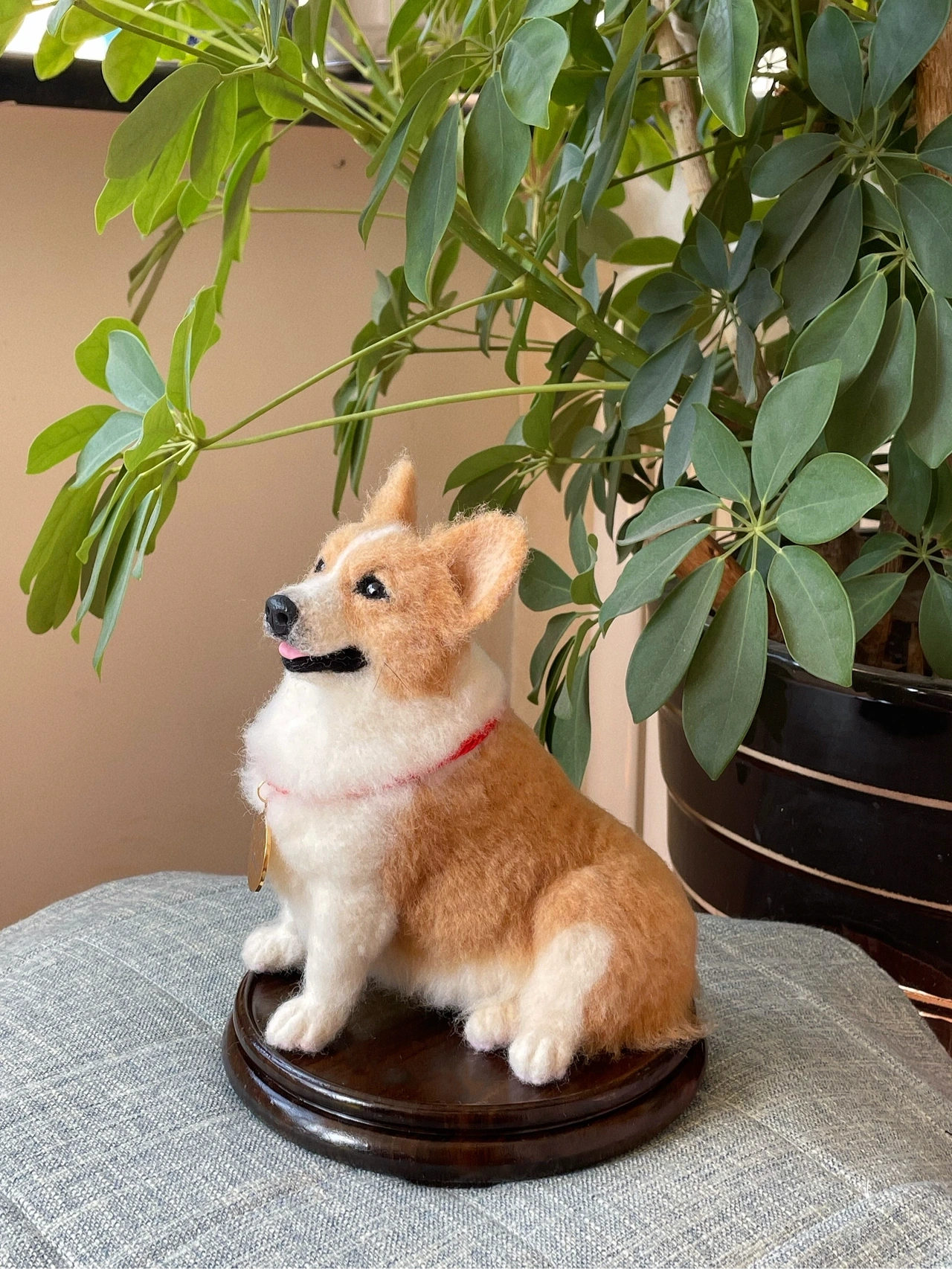
3D Custom Stuffed Animals From Picture – Full Body Pet Portraits
This is the more emotional pick. It makes sense for owners who want to hold onto the puppy-stage look before it disappears, or who want a higher-end keepsake from the first year.
FAQ: dog vaccinations
1. What vaccines do dogs really need?
Most dogs need core protection for distemper, adenovirus, parvovirus, rabies, and leptospirosis, then additional vaccines only if their lifestyle makes them useful.
2. When do puppies start vaccinations?
Puppies usually start around 6 to 8 weeks old and continue every 3 to 4 weeks until at least 16 weeks old.
3. How often do adult dogs need boosters?
It depends on the vaccine. Core combo vaccines often move to longer intervals after the first-year booster, while leptospirosis, Bordetella, influenza, and Lyme are more often annual when they apply.
4. Is Bordetella required for every dog?
No. It is usually most relevant for dogs that board, do daycare, go to groomers with heavy dog traffic, or spend time in other shared-air settings.
5. Do indoor or city dogs still need leptospirosis vaccination?
That conversation is important even for city dogs. Updated U.S. guidance recognizes that exposure is not limited to rural dogs.
6. What if I do not know my dog’s vaccine history?
Do not guess. Ask your vet for a catch-up plan based on age, records, and risk.
7. Are dog vaccine reactions common?
Most dogs do fine. Mild soreness, tiredness, and a quiet day can happen. Severe reactions are uncommon, but trouble breathing, facial swelling, repeated vomiting, or collapse need urgent care.
8. Can my puppy meet other dogs before all shots are done?
Controlled exposure to known, vaccinated dogs is usually much safer than public dog areas. Ask your vet how to balance safety and socialization for your puppy.
9. What vaccines are commonly requested for boarding?
Rabies proof and current core coverage are common, and many facilities also ask about Bordetella. Some also care about canine influenza.
10. Can a senior dog skip vaccines?
Not automatically. Senior dogs still need vaccine planning, but the plan may be more individualized based on health, past reactions, and lifestyle.
Final takeaway
The best dog vaccination plan is not the longest one. It is the one that matches your dog’s real life. Start with core coverage, be honest about boarding, travel, dog parks, trails, and wildlife exposure, and keep your records easy to find. That one habit will save you stress, money, and last-minute scrambling later.
Primary sources used in this article: AAHA Canine Vaccination Guidelines, AAHA vaccine schedule table, UC Davis vaccination guidelines, AVMA vaccinations overview, AKC puppy vaccine guide, and AKC puppy socialization guidance.


