

If you only want the fast answer, here it is: there is no single best pet insurance company for every pet in 2026. The right pick depends on how you handle cash flow, whether you care about exam fees, how much customization you want, and whether your pet is more likely to face chronic, dental, orthopedic, or behavior-related issues.
For this guide, I prioritized the things real pet owners usually discover too late: waiting periods, direct-to-vet payment, deductible type, exam-fee coverage, annual payout flexibility, and whether the plan stays simple when life gets messy. That matters more than flashy “starting at” prices.
Table of Contents
Why Pet Insurance Matters in 2026
Pet insurance is no longer a niche purchase. According to NAPHIA, the U.S. ended 2024 with more than 6.4 million insured pets, and the market has kept expanding because veterinary bills are easier to delay in theory than in practice. When your dog tears a cruciate ligament or your cat lands in the ER, you are usually making a medical decision and a money decision at the same time.
| 2024 U.S. market snapshot | What it means for buyers in 2026 | Source |
|---|---|---|
| 6,405,541 insured pets in the U.S. | Coverage is mainstream enough that plan design now matters more than novelty. | NAPHIA |
| Average annual accident & illness premium: dogs $749.29, cats $386.47 | Dog owners usually feel premium differences faster, so deductible and reimbursement choices matter a lot. | NAPHIA |
| Average annual veterinary spending per household: dogs $598, cats $529 | Even routine yearly care is meaningful, but insurance mainly earns its keep on larger unexpected bills. | AVMA |
| U.S. premium volume reached about $4.7 billion | The category is crowded, which is exactly why you should compare policy mechanics instead of relying on ads. | NAPHIA |
Important: pet insurance rules can vary by state and policy form. Waiting periods, exam-fee coverage, deductible choices, and orthopedic rules should always be verified on the quote page before you buy. In the rankings below, I focused on what is publicly available and most useful for shopping in April 2026.
My Quick Picks for 2026
Best if you hate reimbursement delays
Pets Best and Trupanion stand out because they offer ways to pay the vet directly in qualifying situations. That can matter more than a small monthly price difference.
Best for broad everyday practicality
Spot, ASPCA Pet Health Insurance, and Pumpkin are strong for shoppers who want fewer “gotcha” moments around common real-world claims.
Best for deep customization
Figo, Embrace, and Lemonade work well if you want to tune reimbursement, payout levels, or optional add-ons more closely.
Best for simple unlimited-style peace of mind
Healthy Paws and Trupanion make the short list for owners who care most about avoiding payout caps on serious claims.
Best Pet Insurance Companies of 2026: Side-by-Side Comparison
This is the fastest way to narrow the field. I would not use this table to make a final decision by itself, but it is the right place to eliminate plans that obviously do not fit your household.
| Provider | Best for | Typical public waiting-period takeaway | Deductible style | Payout flexibility | Exam fees | Standout feature | Sources |
|---|---|---|---|---|---|---|---|
| Pets Best | Direct vet pay and strong value | 3 days accidents, 14 days illnesses, 6 months cruciate on many plans | Annual | $5,000 to unlimited | Available on higher tiers | Vet Direct Pay option | Official / Forbes |
| Spot | Broad built-in coverage | 14 days for covered conditions in most states | Annual | $2,500 to unlimited | Often built into accident & illness coverage | 24/7 telehealth and generous coverage menu | Official |
| ASPCA Pet Health Insurance | Comprehensive plan structure | Often 14 days accident and illness; verify state form | Annual | Multiple annual-limit choices | Included in Complete Coverage | Good all-around completeness | Official |
| Lemonade | Discount-minded digital shoppers | No waiting period for accidents, 14 days illness, 30 days orthopedic | Annual | Customizable | Add-on | Bundling and multi-pet discounts | Official |
| Trupanion | Real-time payment at checkout | 5 days injuries, 30 days illnesses in many states | Per condition | No payout caps | Not the main selling point | Vet Direct Pay in seconds | Official |
| Figo | Plan upgrades and reimbursement flexibility | State-specific; illness commonly 14 days | Annual | $5,000 to unlimited, up to 100% reimbursement | Can include exam fees | Up to 100% reimbursement | Official / Forbes |
| Embrace | Customization and orthopedic waiting-period reduction path | Accidents from policy effective date, 14 days illness, orthopedic rules vary | Annual | Custom annual maximums | Optional | Orthopedic waiting period may be reduced with exam | Official |
| Fetch | Strong standard accident-and-illness benefits | Up to 15 days | Annual | Customizable | Included | Exam fees, meds, and boarding fee benefit in certain cases | Official |
| Pumpkin | Dental illness and exam-fee-friendly coverage | 14 days in most states | Annual | $5,000 to unlimited | Included | No upper age limits and dental illness coverage | Official |
| Healthy Paws | Unlimited claims simplicity | Public FAQ highlights a 15-day illness/injury waiting period for many situations | Annual | No annual or lifetime caps | Usually not the strongest point | Simple unlimited structure and fast claims reputation | Official |
The most overlooked filter: ask yourself whether you can comfortably float a $2,000 to $5,000 bill and wait for reimbursement. If the answer is no, plans with direct-pay tools move up the list immediately.
Pets Best — Best for Direct Vet Pay and Overall Value
Best for owners who want strong customization without giving up the option to pay the vet directly.
Pets Best keeps landing near the top because it solves a real-world problem better than many competitors: the timing mismatch between emergency care and reimbursement. Its Vet Direct Pay feature is a meaningful advantage for pet owners who do not want to put a big claim on a card and wait. Add in no upper age limits for enrollment, multiple deductible choices, several annual-limit options, and a reputation for being competitive on value, and you get one of the most balanced picks in the market.
Why I like it
- Direct-pay option can reduce cash-flow pain.
- No upper age limits for enrollment.
- Annual limits from modest to unlimited.
- Deductible choices run from low to very high.
Watch for
- Exam-fee coverage is not built into every tier.
- Cruciate waiting periods can matter for active dogs.
- You still need to confirm availability and details in your state.
Best fit: dog owners, multi-pet households, and anyone who wants a fairly flexible plan without immediately jumping to the priciest “premium” positioning.
Sources: Pets Best, Pets Best FAQ, Vet Direct Pay, Forbes Advisor
Spot — Best for Broad Everyday Coverage
Best for shoppers who want a wide practical coverage menu without constantly chasing add-ons.
Spot is the plan I would put in front of the average American pet owner who wants coverage breadth without spending hours decoding every policy detail. Its public materials do a good job of showing the pieces owners actually care about: telehealth access, flexible annual limits, customizable reimbursement levels, and coverage categories that feel relevant to modern vet care instead of stuck in the past.
It is also one of the easier companies to recommend when a buyer wants a plan that feels “complete enough” on day one. For many households, that reduces buyer regret later.
Best fit: owners who want strong overall coverage, decent flexibility, and a plan that makes sense for both younger pets and adults with a broad risk profile.
Sources: Spot Plan, Spot VetAccess, Spot Coverage Info
ASPCA Pet Health Insurance — Best for Comprehensive Plan Design
Best for people who want a more complete feeling plan and do not want to nickel-and-dime their way into basic usefulness.
ASPCA Pet Health Insurance earns a high spot because its Complete Coverage plan hits a lot of the pain points owners ask about most: exam fees, diagnostics, hereditary conditions, alternative therapies, and behavioral issues. That makes it easier to understand than plans that look cheap up front but start stripping away the parts you assumed were standard.
If you are the kind of shopper who would rather buy one plan that feels solid than build a plan piece by piece, this is one of the better places to start. It is especially appealing for pet owners who know their dog or cat is not going to live a perfectly textbook life.
Best fit: owners who want a broader base plan, people comparing multiple mid-to-upper tier insurers, and buyers who care about exam fees being part of the conversation.
Sources: ASPCA Coverage, Complete Coverage, Plan Comparison
Lemonade — Best for Digital-First Shoppers and Discounts
Best for owners who want a fast online experience, straightforward quoting, and bundling or multi-pet savings.
Lemonade makes the top 10 because it serves a very specific buyer well: someone who values a smooth digital process, likes to bundle policies, and wants to control cost by adding only the extras they truly care about. Its public waiting-period disclosures are also easy to understand, which is more useful than it sounds when you are trying to compare insurers fast.
The tradeoff is that the clean, affordable-looking setup can fool people into forgetting how much optional coverage matters. If you care about exam fees, behavioral care, physical therapy, dental illness, or end-of-life support, make sure you know what is and is not included before you assume a quote is apples to apples.
Best fit: budget-conscious owners, urban renters already familiar with Lemonade, and shoppers who want a very modern buying experience.
Sources: Lemonade Waiting Periods, Lemonade Coverage, Lemonade Add-Ons
Trupanion — Best for Real-Time Vet Payment and Big Chronic Claims
Best for owners who care more about catastrophic protection and checkout-time payment than about chasing the lowest monthly premium.
Trupanion is not the easiest plan to compare if you only look at the monthly number. Its real value shows up when you understand the combination of unlimited payouts, 90% reimbursement, and a per-condition lifetime deductible. For pets with major recurring conditions, that structure can make more sense than resetting the same deductible every year.
The company’s Vet Direct Pay system is one of the most practical features in the category. If your local hospital participates, it can take a lot of financial stress out of a bad day. The flip side is that the per-condition deductible structure is not for everyone, and some owners prefer the predictability of a standard annual deductible.
Best fit: owners worried about large long-term claims, breed-related chronic risks, and emergency cash-flow pressure.
Sources: Trupanion, Vet Direct Pay, Waiting Periods, Deductible Info
Figo — Best for Flexible Reimbursement and Plan Upgrades
Best for shoppers who want to fine-tune their policy instead of accepting a one-size-fits-most setup.
Figo’s biggest draw in 2026 is flexibility. Up to 100% reimbursement is a standout feature, and the company remains one of the better choices for pet owners who want room to build a plan around how they actually use vet care. If you like to optimize deductible, reimbursement, and annual cap rather than simply taking the default package, Figo deserves a hard look.
This is also one of the better picks for people who are willing to pay for a more customized claim experience and who care about optional coverage upgrades instead of just bare-bones accident-and-illness protection.
Best fit: detail-oriented shoppers, owners with higher comfort comparing plan settings, and buyers who want the possibility of extremely high reimbursement.
Sources: Figo, Dog Insurance, Cat Insurance, Forbes Advisor
Embrace — Best for Smart Customization and Orthopedic Planning
Best for owners who want customization plus a realistic path to reduce certain orthopedic waiting rules.
Embrace has been around long enough to be a serious comparison target, and in 2026 it still earns a place here because it speaks to a common buyer concern: “How can I keep flexibility without getting burned by orthopedic fine print?” Its public guidance explains that accident coverage starts on the policy effective date, illnesses generally wait 14 days, and certain orthopedic exclusions may be reduced based on a timely exam and state rules.
That is not just a technical detail. For large-breed dog owners, active dogs, and anyone thinking ahead about knees, hips, or IVDD-style costs, that can be a meaningful differentiator. Embrace also fits shoppers who want optional exam-fee coverage and wellness-style add-ons without forcing a premium structure from day one.
Best fit: owners of active dogs, shoppers who actually read the policy, and people who like a more tailored approach.
Sources: Embrace Waiting Periods, Orthopedic Waiting Period, Embrace
Fetch — Best for Rich Standard Benefits
Best for owners who want standard accident-and-illness coverage to feel meaningfully useful, not stripped down.
Fetch is a strong option for people who are tired of discovering that the “standard” plan does not include things they assumed it would. Public materials highlight coverage for sick-visit exam fees, prescriptions, physical therapy, breed-specific issues, and even boarding-fee help in some owner-hospitalization scenarios. That is the kind of detail that makes a plan feel practical instead of theoretical.
It also stands out for households that use both in-person and online veterinary support. If your pet care is split between office visits, tele-vet advice, meds, and recovery support, Fetch feels more tuned to how people actually manage pet health now.
Best fit: owners who want richer standard accident-and-illness benefits and people who prefer a more comprehensive everyday safety net.
Sources: Fetch FAQs, Fetch Coverage, Fetch
Pumpkin — Best for Exam Fees, Dental Illness, and Older-Pet Friendliness
Best for owners who want a clean, strong medical plan and do not want age to quietly shut the door.
Pumpkin has become one of the easiest brands to recommend to owners who want a strong medical core without overcomplicating the shopping process. Publicly available plan details emphasize in-office and virtual exam fees, dental illness, behavioral issues, and no upper age limits for enrollment. That mix is especially appealing if your pet is already moving out of the carefree “young and indestructible” stage.
I also like Pumpkin for people who do not want to pretend dental illness is a niche issue. It is one of the most commonly misunderstood parts of pet insurance shopping, especially for smaller dogs and certain cats that are more likely to rack up dental-related care over time.
Best fit: older dogs, senior-friendly planning, and owners who want exam-fee-friendly medical coverage with a fairly simple presentation.
Sources: Pumpkin, Pumpkin FAQ, Dental Coverage
Healthy Paws — Best for Simple Unlimited-Cap Protection
Best for buyers who want a simpler unlimited-payout story and do not need every possible extra built into the pitch.
Healthy Paws remains relevant in 2026 because there is still a large group of pet owners who do not want to over-optimize pet insurance. They want one big answer to one big fear: “If something major happens, will I hit a payout cap?” Healthy Paws’ no annual or lifetime caps approach still resonates for that reason.
This is not the most feature-stuffed plan in the group, and that is okay. It is here because simplicity is a feature when it aligns with what you actually want. If your priority is major-claim protection and you do not mind looking elsewhere for some extras, Healthy Paws belongs on the shortlist.
Best fit: catastrophic-coverage-minded owners, people who want fewer moving parts, and shoppers who care more about unlimited protection than about a long list of add-ons.
Sources: Healthy Paws Coverage, Healthy Paws FAQ
How to Choose the Right Pet Insurance Plan
Most “best pet insurance” articles stop too early. They rank companies, mention reimbursement percentages, and never help you figure out which plan matches your life. Here is the faster way to decide.
| If this sounds like you... | Prioritize this | Usually skip this mistake |
|---|---|---|
| You could not comfortably float a $3,000 emergency bill. | Direct-pay tools or the easiest reimbursement path. | Do not shop by monthly premium alone. |
| You have a large-breed dog or an active dog with orthopedic risk. | Waiting periods, cruciate or orthopedic language, and rehab coverage. | Do not ignore fine print because the quote looks cheap. |
| Your pet is older but still insurable. | Enrollment age rules, exam-fee coverage, and broad illness coverage. | Do not assume all companies welcome older pets equally. |
| You want a simple “major stuff is covered” plan. | Unlimited or high payout caps and straightforward deductible design. | Do not pay for every rider just because it exists. |
| You want to tune the policy around your budget. | Deductible, reimbursement, and annual-limit flexibility. | Do not compare two quotes without matching the settings first. |
The 5 questions I would answer before buying
- Can you float the bill first? If not, direct-pay matters more than a cheaper quote.
- Do exam fees matter to you? Many owners forget this until the first claim.
- How much annual risk do you want to self-insure? Higher deductible means you are taking on more of the smaller pain.
- Is your pet’s biggest risk orthopedic, dental, chronic, or behavioral? Different plans shine in different lanes.
- Are you buying for peace of mind or optimization? Some people want the broadest practical coverage. Others want the most efficient price-to-protection ratio.
A simple shopping rule: never compare pet insurance quotes until the deductible, reimbursement percentage, and annual payout limit are matched as closely as possible. Otherwise, you are comparing different products with different risk sharing.
Common mistakes that cost buyers money
- Buying after symptoms appear. Pet insurance works best when you buy before a condition becomes pre-existing.
- Overvaluing wellness add-ons. These can be useful, but they do not replace strong accident-and-illness protection.
- Ignoring exam-fee coverage. This is one of the most common “I thought that was included” frustrations.
- Skipping state-specific policy details. Waiting periods and forms can change by state.
- Choosing the lowest premium and calling it a win. The wrong cheap plan often becomes expensive at claim time.
For day-to-day prevention, PetDecorArt also has a few genuinely useful tools that pair well with a good insurance plan: a Dog Age Calculator, a Cat Age Calculator, and a Pet Daily Calorie & Portion Calculator. Those will not replace insurance, but they can help you stay more consistent with life-stage planning and feeding habits, which is where a lot of preventable trouble starts.
Useful PetDecorArt Tools and Keepsakes
Insurance helps with the bill. It does not help you remember the good years, celebrate recovery milestones, or make hard seasons easier to carry. That is where PetDecorArt fits naturally. I would keep the coverage decision and the emotional side of pet care separate, but both matter.
Helpful tools to bookmark
- Pet Toxicity Lookup for quick household-safety checks.
- Dog Age Calculator for life-stage planning.
- Cat Age Calculator for cat owners tracking stage changes.
- Calorie & Portion Calculator for feeding consistency.
- Memorial Message Generator for remembrance support.
Related reading on PetDecorArt
These are useful companion reads if you are thinking beyond insurance and trying to build a more complete pet-care plan.
Recommended PetDecorArt products
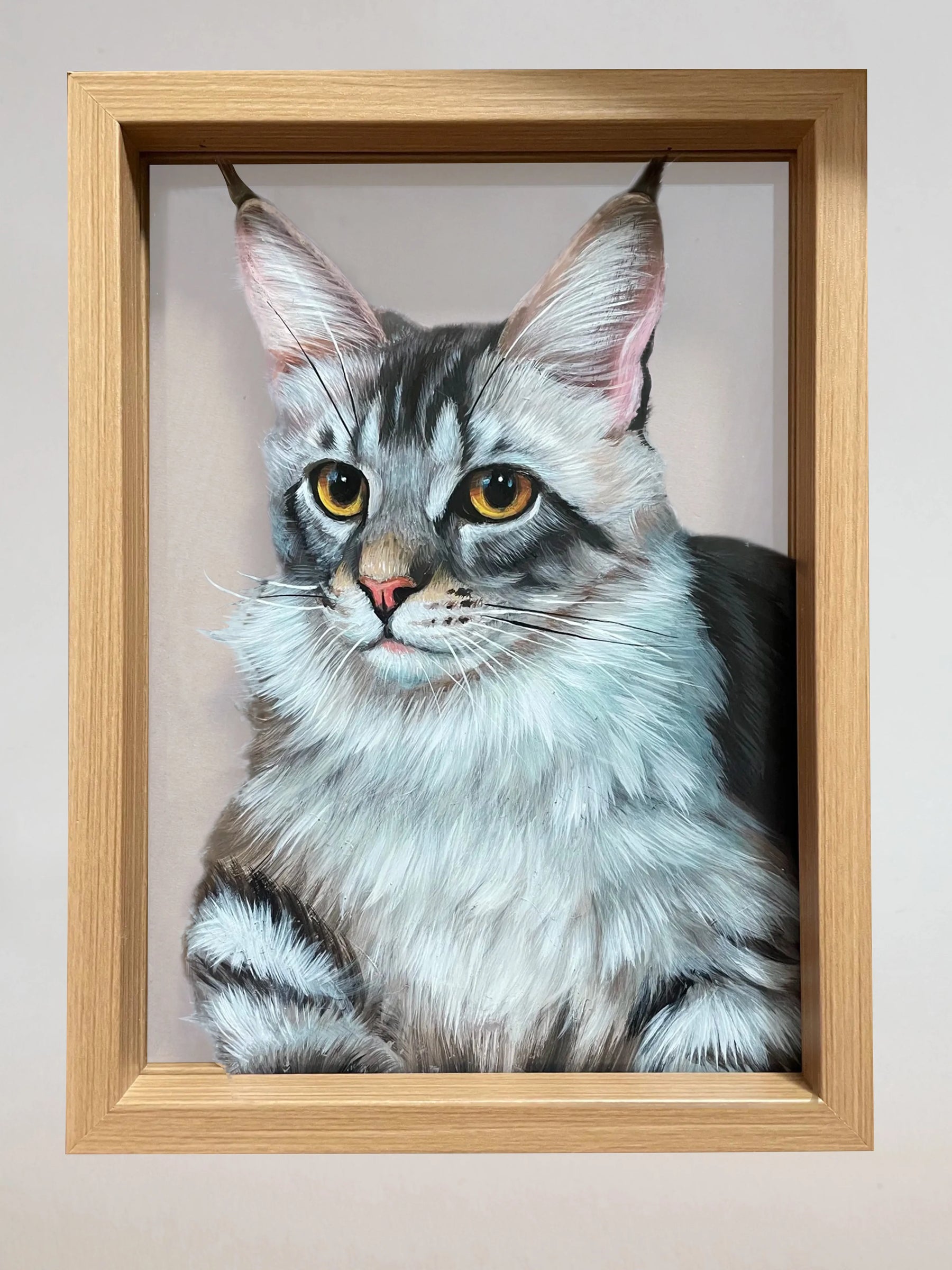
Custom Hand-Painted Pet Portrait (Framed Glass Oil Painting)
Made from your pet photo, framed, and available in sizes from 4" × 6" to 8" × 12". PetDecorArt notes handmade production in about 2 to 4 weeks and offers a preview before shipping.
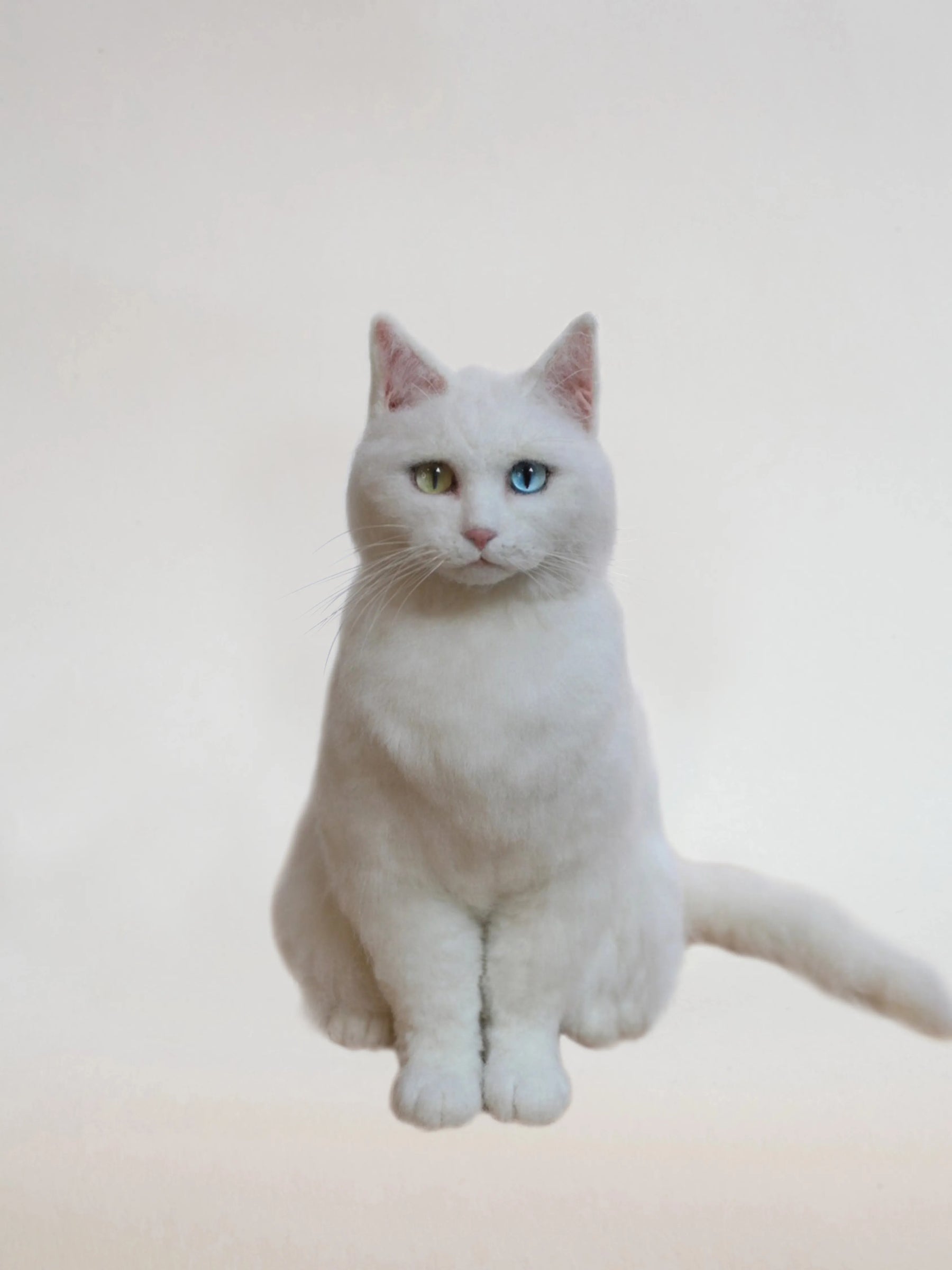
3D Custom Stuffed Animal Full-Body Pet Portrait
A handmade wool keepsake based on your pet’s photos, with size options from about 6"–8" up to 14"–16". A strong choice for milestone gifts, memorial pieces, or celebrating a recovery story.

Custom 3D Pet Car Hanging Ornament
A smaller wool portrait format that works well as a daily reminder of a pet you love. It is also an easier entry point if you want something personalized without committing to a larger keepsake.
FAQ
Is pet insurance worth it in 2026?
For many households, yes—especially if a $2,000 to $5,000 emergency bill would create real stress. Insurance is usually less about saving money on routine care and more about avoiding ugly financial decisions during a medical crisis.
What is the best pet insurance for puppies and kittens?
The best time to buy is usually when the pet is still young and healthy, before anything can be labeled pre-existing. Pets Best, Spot, ASPCA Pet Health Insurance, Lemonade, and Pumpkin are all strong starting points depending on how much flexibility or simplicity you want.
Do all pet insurance companies cover exam fees?
No. This is one of the biggest differences between plans. Some include exam fees in standard accident-and-illness coverage, some add them only on higher tiers, and some treat them as an add-on. Always verify this before you buy.
Can pet insurance cover pre-existing conditions?
Generally, no. Some insurers distinguish between curable and incurable pre-existing conditions, but coverage rules vary. The safest move is to enroll before your pet develops a diagnosed issue or a pattern of symptoms.
Is accident-only pet insurance enough?
Accident-only plans can make sense if your budget is very tight and you mainly want a backstop for emergencies. But most pet owners shopping seriously in 2026 want accident-and-illness coverage, because chronic illness, dental disease, skin issues, GI problems, and other non-accident claims are where a lot of real spending happens.
Which pet insurance is best if I cannot float a big vet bill?
Start with companies that offer direct-to-vet payment workflows or a strong reputation for making the payment side less painful. Pets Best and Trupanion stand out for that reason.
Final Take
If I were narrowing the field for a typical U.S. pet owner in 2026, I would start with Pets Best, Spot, ASPCA Pet Health Insurance, Pumpkin, and Trupanion. That group covers the widest mix of priorities without forcing you into a single shopping style. From there, the deciding factor is usually not “Who has the nicest website?” It is “How will this policy feel the day my pet actually needs it?”
That is the question worth paying for.


