

Latest updated: May 8, 2026
If your cat just carried a mouse into the house, it is normal to worry. Hantavirus sounds frightening, and many articles talk about rodents without clearly explaining what it means for cats. Here is the practical answer for everyday cat owners.
Quick Answer: Can Cats Get Hantavirus?
Cats are not known to get sick from hantavirus, and they are not known to spread hantavirus to people. The main risk is not your cat’s body, fur, saliva, or litter box. The real risk is exposure to infected rodents, rodent urine, droppings, saliva, nesting material, or dust stirred up while cleaning.
If your cat catches mice, the safest response is simple: keep the cat away from the area, avoid sweeping or vacuuming droppings, disinfect the contaminated spot first, and handle any dead rodent with gloves.
What Hantavirus Is
Hantaviruses are viruses carried mainly by certain wild rodents. In the United States, the best-known concern is hantavirus pulmonary syndrome, a rare but serious illness linked to exposure to infected rodents and their waste.
People are usually exposed when fresh rodent urine, droppings, saliva, or nesting material is disturbed and tiny contaminated particles get into the air. This is why public health guidance focuses so strongly on safe cleanup instead of sweeping, vacuuming, or dusting dry rodent waste.
| Question | Plain-English answer | Reliable source |
|---|---|---|
| Where does the risk usually come from? | Contact with infected rodents, especially their urine, droppings, saliva, and nesting material. | CDC: About Hantavirus |
| How can it get into the air? | Fresh rodent waste or nesting material can become airborne when disturbed during cleanup. | CDC: Hantavirus Prevention |
| What cleaning mistake increases risk? | Sweeping, vacuuming, or dusting dry rodent droppings can stir up contaminated particles. | CDC: How to Clean Up After Rodents |
Can Cats Carry or Transmit Hantavirus?
For a cat owner, the useful answer is this: do not treat your cat like the source of hantavirus. Current U.S. public health guidance says dogs and cats are not known to spread hantavirus to people. Cats may, however, bring rodents into the home, and those rodents or contaminated materials can create a human exposure risk.
The important distinction
Your cat is not the main hazard. A mouse your cat caught, the mouse nest behind a cabinet, or dried droppings in a garage is the hazard. That difference matters because the right response is not to panic-bathe the cat or disinfect the litter box. The right response is to control rodents and clean contaminated areas correctly.
| Situation | What it means | What to do |
|---|---|---|
| Your cat sniffed a mouse outside | Low concern for hantavirus from the cat itself. | Wash your hands after handling outdoor items. Keep your cat away from rodents when possible. |
| Your cat brought in a dead mouse | The rodent may be the risk, not the cat. | Put the cat in another room, wear gloves, disinfect the rodent and area, then dispose of it safely. |
| You found droppings in a shed, garage, cabin, or pantry | This is the highest practical concern because cleanup can stir dust into the air. | Do not sweep or vacuum. Ventilate, wet with disinfectant, wipe, and seal entry points. |
| Your indoor cat used the litter box after seeing a mouse | Hantavirus is not treated as a litter-box disease. | Clean the litter box normally. Focus on finding how the mouse entered the home. |
What to Do If Your Cat Catches a Mouse
This is the moment most cat owners search for this topic. Use the steps below before you touch the mouse, clean the floor, or let children or other pets near the area.
First 10 minutes checklist
- Move your cat away from the mouse. Put your cat in another room with food, water, and the door closed.
- Keep children and other pets away. Do not let anyone touch the mouse or sniff the area.
- Do not sweep, vacuum, or shake rugs. Dry movement can stir contaminated dust.
- Put on rubber, latex, or plastic gloves. Use disposable towels when possible.
- Wet the rodent and surrounding area with disinfectant. Use an EPA-registered disinfectant or a bleach solution made according to public health guidance.
- Let the disinfectant sit before wiping. CDC guidance recommends soaking urine and droppings until very wet and waiting before wiping.
- Dispose of waste in a sealed bag. Wash gloved hands, remove gloves, then wash bare hands again.
Do not punish your cat
Hunting is normal feline behavior, especially for outdoor or indoor-outdoor cats. The goal is not to punish the cat. The goal is to prevent rodents from entering your living space and to reduce future hunting access.
Hantavirus Risk Levels for Cat Owners
Not every mouse sighting carries the same level of concern. The highest-risk situations usually involve enclosed spaces, visible droppings, nests, poor ventilation, and dry cleanup.
| Risk level | Example | Why it matters | Best next step |
|---|---|---|---|
| Lower | Your cat sees a mouse outside but does not bring it indoors. | No indoor rodent waste has been disturbed. | Bring the cat inside, check for wounds, and discourage hunting. |
| Moderate | Your cat leaves a dead mouse on the kitchen floor. | The rodent may carry pathogens even if the cat is not the source. | Use gloves and disinfect before disposal. Do not handle with bare hands. |
| Higher | You find droppings in a garage, crawlspace, pantry, shed, cabin, or RV. | Dry droppings and nests can become airborne if disturbed. | Ventilate, wet disinfect, wipe, and seal entry points. |
| Urgent | You cleaned rodent droppings by sweeping or vacuuming, then develop fever, fatigue, muscle aches, cough, or shortness of breath. | Human hantavirus illness can become serious quickly. | Contact a healthcare provider right away and mention rodent exposure. |
Safe Cleanup Steps for Rodent Droppings, Nests, or Dead Mice
The safest cleanup method is a wet cleanup method. That means you disinfect first, then wipe. You do not start by sweeping.
| Step | What to do | Why it helps |
|---|---|---|
| 1. Ventilate if indoors | Open doors and windows when safe to do so. Leave the area while it airs out if there is heavy contamination. | Fresh air reduces exposure in enclosed spaces. |
| 2. Wear gloves | Use rubber, latex, vinyl, or plastic gloves before touching anything. | Gloves protect your skin and make disposal easier. |
| 3. Spray until very wet | Apply an EPA-registered disinfectant or bleach solution to droppings, urine, nests, and the surrounding area. | Wet disinfecting keeps dust down and helps inactivate germs. |
| 4. Wait before wiping | Let the disinfectant sit according to the product label or public health instructions. | Contact time matters; wiping too quickly reduces the benefit. |
| 5. Wipe, bag, and wash | Use paper towels, place waste in a sealed bag, throw it in a covered trash can, and wash hands after removing gloves. | This removes contaminated material without stirring it into the air. |
For heavy infestations
If there are many droppings, a strong odor, nesting material in walls, or a closed cabin/garage with a large infestation, consider a professional pest control or cleanup service. This is especially important for households with young children, older adults, pregnant people, or anyone with immune or lung-health concerns.
Symptoms to Watch For: People vs. Cats
The human health concern is different from the cat health concern. Hantavirus guidance focuses on people after rodent exposure. Cats are not expected to show hantavirus illness, but a cat that catches rodents can still face other problems such as bite wounds, parasites, rodenticide poisoning, or bacterial infections.
| Who | What to watch for | What to do |
|---|---|---|
| People after rodent exposure | Fever, fatigue, muscle aches, headache, nausea, vomiting, diarrhea, cough, chest tightness, or shortness of breath. | Call a healthcare provider promptly, especially if breathing symptoms appear. Mention rodent exposure clearly. |
| Cats after catching or eating a mouse | Vomiting, diarrhea, lethargy, drooling, pale gums, bleeding, coughing, limping, bite wounds, or loss of appetite. | Call your veterinarian. The concern may be injury, parasites, bacteria, or rodent poison rather than hantavirus. |
| Household members with higher vulnerability | Any flu-like illness after cleaning rodent waste or entering a rodent-infested space. | Do not wait for symptoms to worsen. Ask a healthcare professional what to do next. |
Other Rodent-Related Risks for Cats
For your cat, hantavirus is usually not the main thing to worry about. A hunting cat may face more common and practical risks from rodents and the products people use to control them.
| Risk | Why it matters for cats | What helps |
|---|---|---|
| Rodenticide poisoning | Cats can be exposed by eating poisoned rodents or bait directly. | Avoid loose poison baits where pets can reach them. Ask a pest professional for pet-safer control options. |
| Bite wounds | Mice and rats can bite back, and small punctures may be hidden under fur. | Check your cat’s face, paws, and legs after a hunt. Call the vet if you see swelling, pain, or discharge. |
| Fleas and parasites | Rodents may carry fleas, mites, or intestinal parasites. | Keep parasite prevention current and ask your vet about fecal testing if your cat hunts often. |
| Bacterial disease | Some rodent-associated infections can affect cats or people. | Do not allow cats to eat rodents. Wash hands after cleanup and keep food areas sealed. |
PetDecorArt also offers practical pet-owner tools such as the Pet Toxicity Lookup, which can be useful when you need quick guidance on pet exposure concerns. It should not replace your veterinarian, but it can help you decide what information to gather before calling.
PetDecorArt Picks for Cat Lovers
A hantavirus scare is about safety first, not shopping. Once the home is clean and your cat is safe indoors, many cat owners use the moment to rethink indoor routines, create a calmer space, or celebrate the cat they love. These PetDecorArt picks fit that softer side of cat ownership.
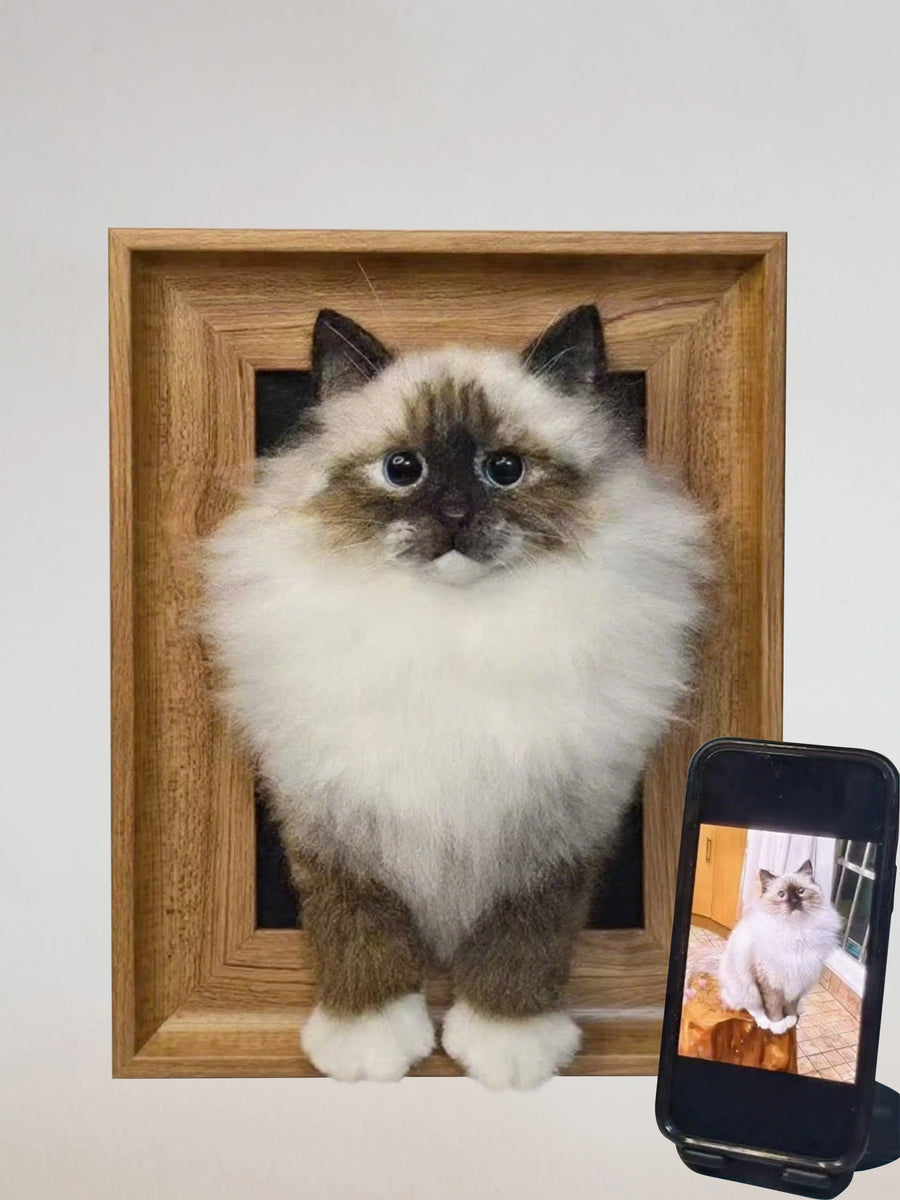
3D Custom Stuffed Animal Clones with Wooden Frame
Best for: Cat memorials, shelf display, and a lifelike framed keepsake.
- Starting price shown on official page: $249.99
- Options: head only or half-body
- Frame sizes listed from 6 inch to 16 inch
- Handmade wool felt with 1-on-1 custom service

3D Custom Stuffed Animals From Picture - Lifelike Full Body Pet Portraits
Best for: A statement piece that captures your cat’s posture, markings, and personality.
- Starting price shown on official page: $499.99
- Size options listed from 6–8 inches to 14–16 inches
- Needle-felted, strand-by-strand handmade craftsmanship
- Photo-based full-body 3D realism
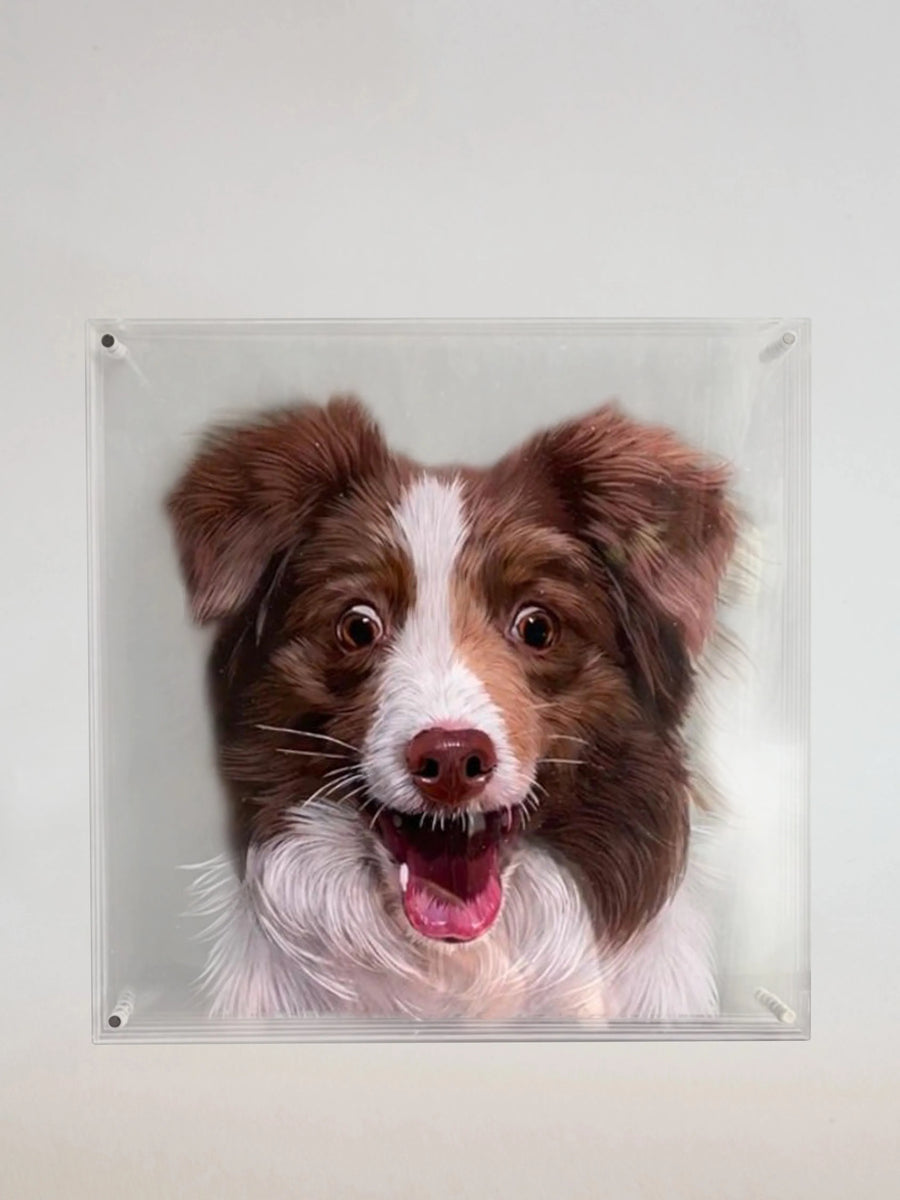
Custom Pet Oil Painting from Photo on Glass
Best for: A polished wall or tabletop portrait with a clean, luminous finish.
- Starting price shown on official page: $199.99
- Size options listed from 4" × 6" to 8" × 12"
- Hand-painted on glass with a 3D visual effect
- Can be customized from pet photos
Need a cat-specific starting point? Visit the Custom Cat Portraits guide. It explains style choices, photo tips, and how to choose between wool-felt, oil painting, embroidery, and clay options.
How to Prevent Future Rodent Exposure
The best way to protect both people and cats is to make rodents less likely to enter your home in the first place. This is especially important if your cat is indoor-outdoor, if you live near fields or wooded areas, or if you store pet food in a garage or basement.
Home prevention checklist
- Seal entry points. Look around doors, vents, pipes, crawlspaces, garage corners, and utility openings.
- Store cat food in sealed containers. Do not leave open bags in garages, laundry rooms, or sheds.
- Remove nesting material. Cardboard, fabric piles, insulation scraps, and clutter can attract rodents.
- Use traps carefully. Place traps where cats and children cannot reach them.
- Avoid casual rodenticide use. Poisoned rodents can create secondary risks for pets and wildlife.
- Keep cats indoors when possible. Indoor cats are less likely to catch rodents, get bite wounds, or bring mice into living spaces.
For a calmer indoor routine, you can also enrich your cat’s environment with window perches, wand toys, puzzle feeders, scratching posts, and scheduled play. A cat with a better indoor routine is less likely to rely on outdoor hunting for stimulation.
Related PetDecorArt Guides & Helpful Pages
These internal resources can be added naturally around this article to keep readers moving through the site:
- Custom Cat Portraits — cat-specific portrait styles and photo tips.
- Custom Pet Portraits — full collection for dog and cat portrait gifts.
- Can ChatGPT Make Pet Portraits? — useful for readers comparing AI art with handmade custom portraits.
- Cat Age Calculator — a light, helpful tool for cat owners.
- Pet Toxicity Lookup — a practical pet-safety tool for exposure questions.
FAQ: Cats and Hantavirus
Can cats get sick from hantavirus?
Cats are not known to get sick from hantavirus. If your cat seems ill after catching a mouse, call a veterinarian because other problems, such as bites, parasites, bacteria, or rodent poison, may be more likely.
Can cats spread hantavirus to humans?
Cats are not known to spread hantavirus to humans. The main risk is contact with infected rodents or contaminated rodent urine, droppings, saliva, or nesting material.
Should I bathe my cat after it catches a mouse?
Usually, bathing is not the priority and may stress your cat. Move your cat away from the area, check for injuries, wash your own hands, and clean the rodent-contaminated area safely. If there is blood, bite injury, or visible contamination on your cat, ask your veterinarian what to do.
What should I do with a mouse my cat brought inside?
Put the cat in another room, keep children away, wear gloves, spray the mouse and surrounding area with disinfectant, let it sit, then pick it up with paper towels and dispose of it in a sealed bag. Do not sweep or vacuum first.
Can hantavirus live in cat litter?
Hantavirus is not considered a cat litter box disease. The concern is rodent waste, not normal cat urine or feces. If mice have entered the litter area or left droppings nearby, clean that rodent contamination using safe wet-cleanup steps.
Are indoor cats at risk?
Indoor cats have lower hunting exposure, but homes can still have rodents in garages, basements, cabinets, or crawlspaces. Keep food sealed, remove clutter, and seal gaps where mice can enter.
What symptoms should people watch for after rodent exposure?
Watch for fever, fatigue, muscle aches, headache, stomach symptoms, cough, chest tightness, or shortness of breath. If symptoms appear after rodent exposure, contact a healthcare provider and clearly mention the exposure.
Is it safe to vacuum mouse droppings if I use a strong vacuum?
No. Public health guidance says not to vacuum or sweep rodent droppings before disinfecting because it can stir particles into the air. Wet the area with disinfectant first, then wipe it up.
Should I use poison to stop mice if I have cats?
Be careful with rodent poison around cats. Cats can be harmed by direct bait exposure or by eating poisoned rodents. Consider sealing entry points, removing food sources, using pet-safe trap placement, and asking a pest professional for safer options.
When should I call a veterinarian?
Call a veterinarian if your cat ate a rodent, may have eaten poison, has bite wounds, vomits, has diarrhea, becomes lethargic, coughs, limps, drools, or acts unusual after rodent contact.
Source Links Used for Accuracy
| Source | Why it was used |
|---|---|
| CDC: About Hantavirus | General transmission and risk-reduction guidance. |
| CDC: Hantavirus Prevention | How exposure happens and how to reduce rodent contact. |
| CDC: How to Clean Up After Rodents | Wet-cleanup steps for urine, droppings, nests, and dead rodents. |
| CDC: Clinician Brief: Hantavirus Pulmonary Syndrome | U.S. clinical note that pets may bring infected rodents to people or into homes. |
| Washington State Department of Health: Hantavirus | Public-facing explanation of cats, dogs, and indirect rodent exposure risk. |
| Mayo Clinic: Hantavirus Pulmonary Syndrome Symptoms | Human symptom overview written for patients. |
Keep Your Cat Safe, Then Make Home Feel Like Home Again
Start with safety: remove rodent access, clean contaminated areas the right way, and call a professional when needed. After that, give your cat a better indoor routine and choose a keepsake that celebrates their personality without encouraging outdoor hunting.
View Cat Portrait Guide View PetDecorArt Products Get Pet Safety ToolThis article is for general pet-owner education and does not replace advice from a veterinarian, physician, or local public health department.


