

Latest updated: May 13, 2026
Blueberries are one of the easier human foods to share with a dog because they are small, naturally low in calories, and simple to serve. But “safe” does not mean “unlimited.” The real question is not only can dogs eat blueberries, but also how many, how often, what form is safest, and when a blueberry snack should be skipped.
This guide gives you practical serving amounts, a first-time feeding plan, risk signs to watch for, and realistic ways to use blueberries as a training treat, meal topper, or summer snack without upsetting your dog’s stomach.
Quick answer: are blueberries safe for dogs?
For most healthy dogs, plain blueberries are safe in moderation. The best choices are fresh blueberries or plain frozen blueberries with no added sugar. Wash them first, offer a few at a time, and watch your dog’s response before making them a regular treat.
| Question | Practical answer | What to avoid | Source |
|---|---|---|---|
| Can dogs eat plain blueberries? | Yes. Use them as a small treat, not a meal replacement. | Large handfuls, daily overfeeding, or replacing balanced dog food. | AKC |
| Can dogs eat frozen blueberries? | Yes, if plain and unsweetened. For tiny dogs or gulpers, thaw or mash them first. | Frozen clumps, hard berries given too quickly, or sweetened frozen fruit blends. | AKC |
| Can dogs eat wild blueberries? | Only if you are completely sure they are blueberries and they are clean. | Unknown wild berries. Some berries can be unsafe or misidentified. | PetMD |
| Can puppies eat blueberries? | Usually a tiny amount is okay, but puppies have sensitive stomachs. Start with one mashed berry. | Using fruit to replace puppy food or giving too many new treats at once. | AKC |
| Can diabetic dogs eat blueberries? | Ask your veterinarian first. Blueberries contain natural sugar, even though they are a healthier treat than many processed snacks. | Guessing portions for dogs with diabetes, pancreatitis, obesity plans, or prescription diets. | PetMD |
Are blueberries good for dogs?
Blueberries can be a smart treat because they are small, easy to portion, and lower in calories than many biscuits. They also provide fiber, vitamin C, and plant compounds often discussed for antioxidant support. That said, blueberries are not medicine. They will not fix allergies, cure disease, replace a balanced diet, or make up for poor daily feeding habits.
| Nutrient or trait | Why dog owners care | What it means in real life | Source |
|---|---|---|---|
| Low calorie density | A cup of raw blueberries is about 84 calories, but dogs should receive far less than a cup in most treat situations. | A few berries can work well as tiny training rewards without the heaviness of rich treats. | USDA-based nutrition data |
| Fiber | Raw blueberries contain fiber, which can support normal digestion in small amounts. | Too much fiber at once can also cause loose stool, gas, or stomach upset. | USDA-based nutrition data |
| Natural sugar | Blueberries are fruit, so they still contain natural sugars. | This is why portions matter, especially for overweight dogs or dogs with diabetes risk. | USDA-based nutrition data |
| Small size | Easy to count and portion. | Small dogs and fast eaters can still choke, especially on frozen berries. | AKC |
A good way to think about blueberries: they are a “nice extra,” not a nutritional requirement. Your dog’s main calories should still come from a complete and balanced dog food appropriate for age, size, and health needs.
How many blueberries can a dog eat?
There is no single perfect number for every dog. Size, age, activity level, stomach sensitivity, weight goals, and medical history all matter. A tiny senior Chihuahua and a young Labrador should not receive the same serving.
Use the chart below as a practical starting point for healthy adult dogs. If your dog has never eaten blueberries before, begin with the lower end and wait to see how their stomach responds.
| Dog size | Approximate weight | First-time test amount | Occasional treat amount | Best serving method |
|---|---|---|---|---|
| Toy | Under 10 lb | 1 mashed blueberry | 1–3 blueberries | Cut, mash, or thaw if frozen. |
| Small | 10–25 lb | 1–2 blueberries | 3–5 blueberries | Serve slowly by hand or mixed into food. |
| Medium | 26–50 lb | 2–3 blueberries | 5–8 blueberries | Use as training rewards or a meal topper. |
| Large | 51–90 lb | 3–5 blueberries | 8–12 blueberries | Serve fresh or lightly frozen if your dog chews well. |
| Giant | Over 90 lb | 5 blueberries | 12–20 blueberries | Still keep it a treat, not a fruit bowl. |
Portion guidance should stay conservative because veterinary sources consistently recommend moderation with human foods and treats. If your veterinarian has given your dog a calorie target or weight-loss plan, count blueberries within the treat allowance.
How to feed blueberries safely
The safest blueberry routine is simple: wash, portion, serve slowly, and watch your dog. Most problems happen when a dog gets too many berries at once, eats a sweetened human food, gulps frozen berries, or gets into a mixed fruit bowl that contains unsafe fruit.
- Wash the berries. Rinse fresh blueberries under cool water before serving.
- Check the label. Frozen blueberries should say only blueberries. Avoid added sugar, syrup, juice concentrates, artificial sweeteners, or dessert mixes.
- Start tiny. Give one or two berries the first time, especially for puppies, small breeds, and sensitive stomachs.
- Serve in a way your dog can chew. Mash berries for toy breeds, puppies, seniors with dental issues, or dogs that inhale food.
- Watch the next day. Loose stool, vomiting, itching, facial swelling, or unusual behavior means you should stop and contact your veterinarian if symptoms continue or seem serious.
Easy blueberry serving ideas
- Use 2–5 blueberries as low-mess training rewards.
- Mash a few into a lick mat with plain dog-safe food.
- Mix a small portion into regular dog food for a “special breakfast” day.
- Freeze a few in water for a summer enrichment cube, then supervise closely.
- Hide a few in a puzzle feeder if your dog chews carefully and does not gulp.
Fresh, frozen, dried, muffins, yogurt, and other forms
Most confusion comes from the word “blueberry” appearing on very different foods. A plain blueberry is not the same as a blueberry muffin, blueberry syrup, blueberry yogurt, or a trail mix with raisins.
| Blueberry form | Can dogs have it? | Why | Better choice |
|---|---|---|---|
| Fresh blueberries | Yes, in moderation | Easy to wash, count, and portion. | Best everyday option. |
| Plain frozen blueberries | Yes, with caution | Safe if unsweetened, but can be hard or slippery for small dogs. | Thaw, cut, or mash for tiny dogs and gulpers. |
| Dried blueberries | Usually not the best choice | Often more concentrated in sugar and may contain added sweeteners or oils. | Use fresh berries instead. |
| Blueberry muffins | No | Human baked goods are commonly high in sugar and fat and may include unsafe ingredients. | Plain blueberries or dog-specific treats. |
| Blueberry pie or cobbler | No | Too much sugar, butter, crust, and dessert filling for dogs. | Fresh berries as a tiny topper. |
| Blueberry yogurt | Usually skip | Flavored yogurts often contain added sugar; sugar-free versions may contain sweeteners that are unsafe for dogs. | Ask your vet about plain unsweetened yogurt, then add 1–2 mashed berries if appropriate. |
| Blueberry jam or syrup | No | Too sugary and unnecessary for dogs. | One fresh berry gives the flavor without the syrup. |
| Fruit salad with blueberries | Only if every ingredient is dog-safe | Mixed bowls may contain grapes, raisins, cherries, citrus peel, or sweet dressing. | Pick out plain washed blueberries and serve separately. |
Risks, side effects, and when to call the vet
Blueberries are safe for many dogs, but they can still cause problems if the amount is too large, the dog has a sensitive stomach, or the berries are part of a food that contains unsafe ingredients.
| Situation | What might happen | What to do |
|---|---|---|
| Your dog ate too many blueberries | Loose stool, gas, vomiting, or temporary stomach upset. | Stop treats, offer normal water, return to regular meals, and call your vet if symptoms are repeated, severe, or your dog seems weak. |
| Small dog swallowed frozen berries whole | Choking, gagging, or coughing risk. | Supervise immediately. For future servings, thaw and mash. |
| Dog has diabetes, pancreatitis history, obesity plan, or prescription diet | Even healthy fruit may not fit their medical plan. | Ask your veterinarian before adding blueberries or any human food. |
| Dog ate blueberry dessert | Stomach upset; possible risk from fat, sugar, chocolate, xylitol, raisins, or other ingredients. | Check the ingredient list. Call your vet or poison control if it contains xylitol, grapes, raisins, chocolate, or unknown sweeteners. |
| Dog ate grapes or raisins with blueberries | Grapes and raisins can be toxic to dogs and may damage the kidneys. | Do not wait for symptoms. Contact your veterinarian, emergency hospital, or pet poison hotline right away. |
| Dog shows swelling, hives, repeated vomiting, trouble breathing, collapse, or extreme lethargy | Possible serious reaction or unrelated emergency. | Seek veterinary care immediately. |
Blueberries vs. other fruits dogs can and cannot eat
If you are building a dog-safe fruit list, blueberries are one of the easier options. Still, not every fruit belongs in a dog bowl. Some fruits are safe only after removing seeds, pits, peels, or rinds. Others should be avoided completely.
| Fruit | Dog-safe status | Preparation notes | Source |
|---|---|---|---|
| Blueberries | Safe in moderation | Wash and portion. Mash for toy breeds or gulpers. | AKC |
| Apples | Usually safe when prepared | Remove seeds and core; serve small pieces. | AKC fruit guide |
| Bananas | Safe in small amounts | Use as an occasional treat because bananas are sweeter and denser than berries. | AKC fruit guide |
| Watermelon | Safe when prepared | Remove rind and seeds; serve small cubes. | AKC fruit guide |
| Grapes and raisins | Not safe | Do not feed any amount intentionally. Call a vet if eaten. | ASPCA |
| Cherries | Not a good choice | Pits, stems, and leaves create safety concerns. | AKC fruit guide |
First-time blueberry test plan
When a dog tries a new food, the goal is not to test how much they can handle. The goal is to confirm that a tiny amount agrees with them.
- Choose a normal day. Do not introduce blueberries on the same day as a new food, new supplement, vaccine appointment, boarding stay, or long car ride.
- Start with one tiny serving. Give 1 mashed berry for toy dogs and puppies, 1–2 berries for small dogs, or 2–3 berries for medium and large dogs.
- Keep the rest of the day boring. Feed the regular diet so you can tell whether blueberries caused any stomach change.
- Watch stool and behavior. If the next 24 hours look normal, blueberries can stay in the occasional treat rotation.
- Do not turn a success into a handful. Increase slowly, and keep total treats within a modest daily allowance.
When blueberries work best
Blueberries are especially useful when you want a tiny reward during training, a low-mess snack after grooming, a small “special day” topper, or a photo-friendly treat for a dog birthday party. PetDecorArt’s own dog birthday guide also emphasizes pet-safe, vet-approved treats and careful dog-proofing during celebrations, which fits well with a simple blueberry treat station instead of rich human desserts.
PetDecorArt picks for blueberry treat days and dog memories
A blueberry snack is often part of a bigger moment: a birthday photo, an adoption anniversary, a training win, or a quiet day when you simply want to celebrate your dog. If you are already taking photos, these PetDecorArt custom pieces can turn that everyday moment into something you keep.

Custom Pet Portrait Hand Embroidered Caps
Best for dog walks, farmer’s market trips, casual photos, and lightweight everyday wear.
- Price shown on product page: $39.98
- Material detail: 100% pure cotton
- Customization: hand-embroidered from your pet photo
- Colors listed: black, white, blue, brown, grey, pink, beige, green, red, orange

Custom Embroidered Personalized Sweatshirts with Pet Portraits
Best for pet parents who want a soft wearable keepsake after a birthday, adoption day, or favorite treat-time photo.
- Price shown on product page: $69.98
- Fabric detail: 51–70% cotton blend, 300–350 g mid-weight
- Portrait options: mini 2-inch or classic 3.5-inch embroidered design
- Color range: 29 solid colors listed by PetDecorArt
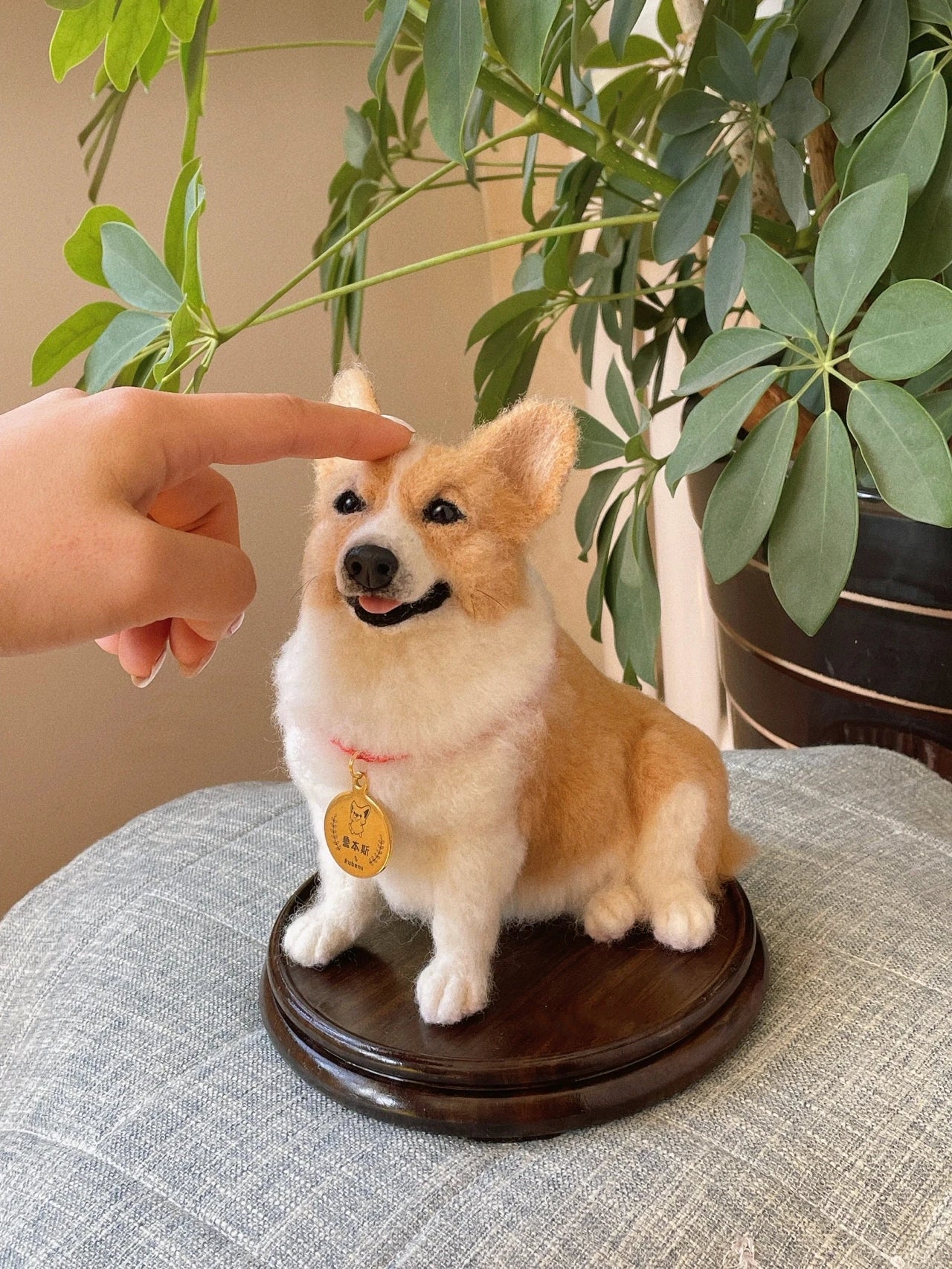
3D Custom Stuffed Animals From Picture
Best for a lifelike keepsake when a flat photo does not feel personal enough.
- Starting price shown on product page: $499.99
- Material detail: handmade wool felt with glass eyes and resin, clay, or wax details
- Size options listed: 6–8 inches through 14–16 inches
- Production timeline listed: approximately 15–30 days

Custom Pet Oil Painting from Photo on Glass
Best for turning a favorite “blueberry treat face” photo into home décor.
- Starting price shown on product page: $199.99
- Artwork detail: hand-painted on glass with a 3D effect
- Size options listed: 4 × 6 inches through 8 × 12 inches
- Customization: add multiple pets or full-body portraits
FAQ
Can dogs have blueberries every day?
Some healthy dogs can have a few blueberries often, but daily fruit is not necessary. If you feed them daily, keep the portion small and count it as part of the total treat allowance.
How many blueberries are too many for a dog?
Too many depends on the dog’s size and stomach sensitivity. A few berries may be fine for a small dog, while a handful may cause loose stool. Use the serving chart above and avoid large bowls of fruit.
Can blueberries give dogs diarrhea?
Yes, too many blueberries can cause diarrhea, gas, or vomiting in some dogs because of fiber and natural sugar. Stop feeding them and return to the normal diet. Call your veterinarian if symptoms are repeated, severe, or your dog seems unwell.
Can small dogs eat blueberries?
Yes, but small dogs need smaller portions. Start with one mashed or cut blueberry. Frozen berries should be thawed or crushed for toy breeds and dogs that gulp food.
Can puppies eat blueberries?
Most puppies can try a tiny amount, but their stomachs are still developing. Start with one mashed berry and do not introduce several new foods at the same time.
Can dogs eat frozen blueberries?
Yes, plain frozen blueberries are usually safe, but they can be hard and slippery. For small dogs, seniors, puppies, or gulpers, thaw or mash them first.
Can dogs eat blueberry muffins?
No. Blueberry muffins are human desserts, not dog treats. They are often high in sugar and fat and may contain unsafe ingredients.
Can dogs eat blueberry yogurt?
It is better to skip flavored blueberry yogurt. Many flavored yogurts contain added sugar, and some sugar-free foods can contain sweeteners that are unsafe for dogs. If your vet says yogurt is okay for your dog, use plain unsweetened yogurt in a small amount and add a few mashed berries yourself.
Are blueberries better than dog biscuits?
They can be a lighter option than many biscuits, but “better” depends on the dog and the portion. Blueberries are useful as tiny rewards, while balanced dog treats may be better for training plans that require predictable calories.
What should I do if my dog ate a lot of blueberries?
Watch for vomiting, diarrhea, bloating, or unusual behavior. If your dog ate a very large amount, has a medical condition, or seems sick, call your veterinarian. If the blueberries were mixed with grapes, raisins, chocolate, xylitol, or unknown ingredients, seek help immediately.
Final takeaway
Dogs can have blueberries, and for many dogs they are one of the easiest human-food treats to use safely. Keep them plain, keep portions small, and treat them as a bonus rather than a daily requirement. When in doubt, especially with puppies, tiny dogs, diabetic dogs, or dogs on medical diets, ask your veterinarian before adding them.
Explore custom pet keepsakes Read more dog care guides


